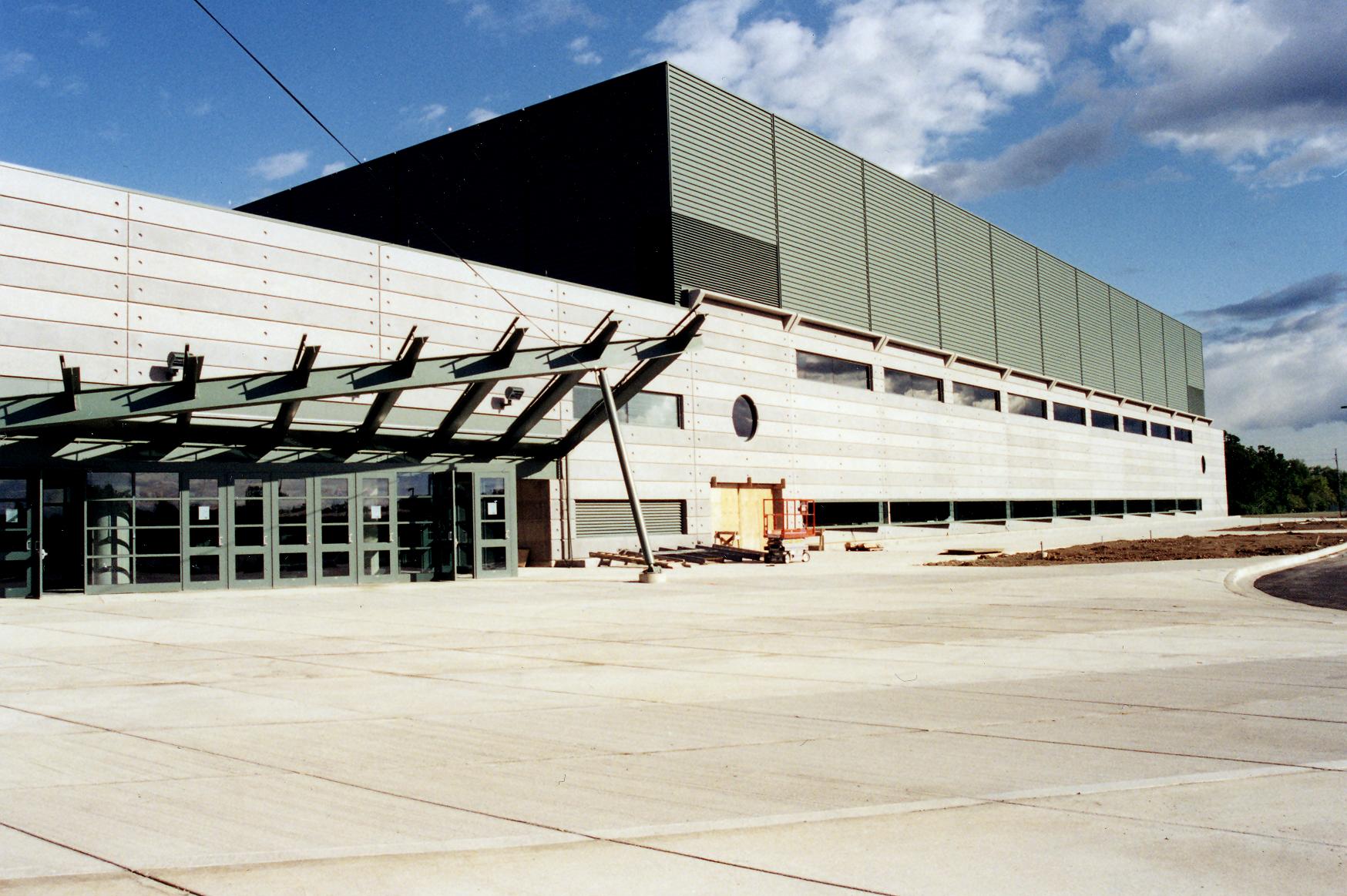
The George Gervin GameAbove Center (formerly the Convocation Center) at Eastern Michigan University is located on the west campus. Built in 1998 as part of a campus upgrade initiative, the George Gervin GameAbove Center is a 204,316 square-foot structure that features three user-friendly levels including arena, concourse, office space and boasts versatile seating configurations, which allow clients to maximize space usage. The George Gervin GameAbove Center is ideal for concerts, commencements, family entertainment, conferences banquets, trade shows and athletic events. The arena accommodates 20,000 square-feet on the main floor with an additional 18,000 square-feet throughout the entire facility. The Convocation Center was renamed in 2021 for George Gervin, a former professional basketball player who played for EMU between 1970-1972. In 2023, a statue of Gervin was unveiled in front of the center, and Gervin was in attendance at the unveiling ceremony.
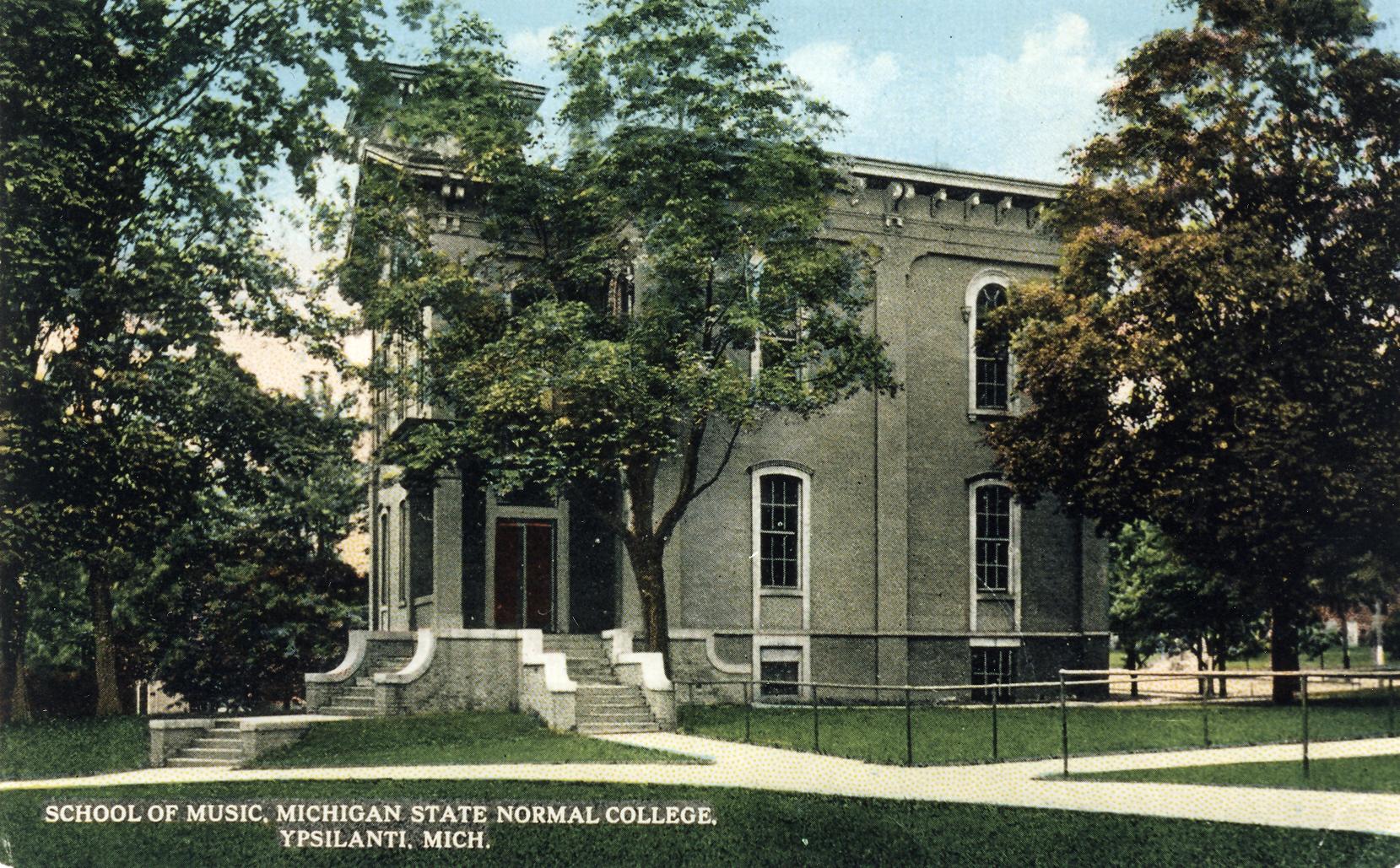
The second building to be erected on campus was the Conservatory. Originally intended for the use of the State Agricultural Society, and was to contain an agricultural museum. Its erection began in 1864, but it was not roofed until late fall, 1865. It remained uncompleted until 1869, when the legislature appropriated funds for its completion. Then in January 1870, the Board of Education accepted the building and changed its name from the "Normal Museum" to "Normal New School Building." It was devoted to the use of the Training School until 1882 and then was occupied by the Conservatory of Music.
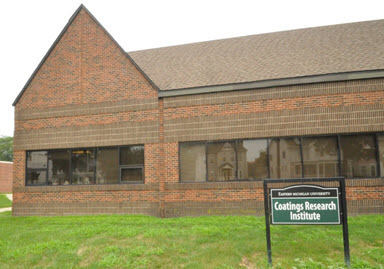
The Coatings Research Institute (CRI) was founded in 1985, and performed contract as well as grant research by the resident faculty. In 1990, Eastern Michigan University obtained a National Science Foundation (NSF) grant to establish a new Industry/University Research Center (I/UCRC) in Coatings. The Surface Science Research Center was established in 1993. April 2000, EMU received its largest single gift ever - coatings patents from the ExxonMobil Chemical Company appraised at $16 million. The patents involve materials used to create industrial paints. "There are only a few undergraduate coatings programs in the country and we are proud and excited that ExxonMobil chose to donate these patents to our Coatings Research Institute," said President William E. Shelton at an April 17, 2000, press conference. The gift included 20 issued U.S. patents and five pending U.S. patent applications. It also included more than 50 worldwide patent and patent application counterparts. EMU's Dr. Frank Jones and students of Eastern Michigan assisted ExxonMobil with the development of five of the U.S. patents. "We are in the best position to do something with the patents because we know the technology," said Jones. "This will give EMU faculty and students an opportunity to be involved with exciting new area of coatings technology and to potentially produce income that will help the coatings program at EMU." The CRI is still used today to develop and expand on the science and technology of polymers and other materials.
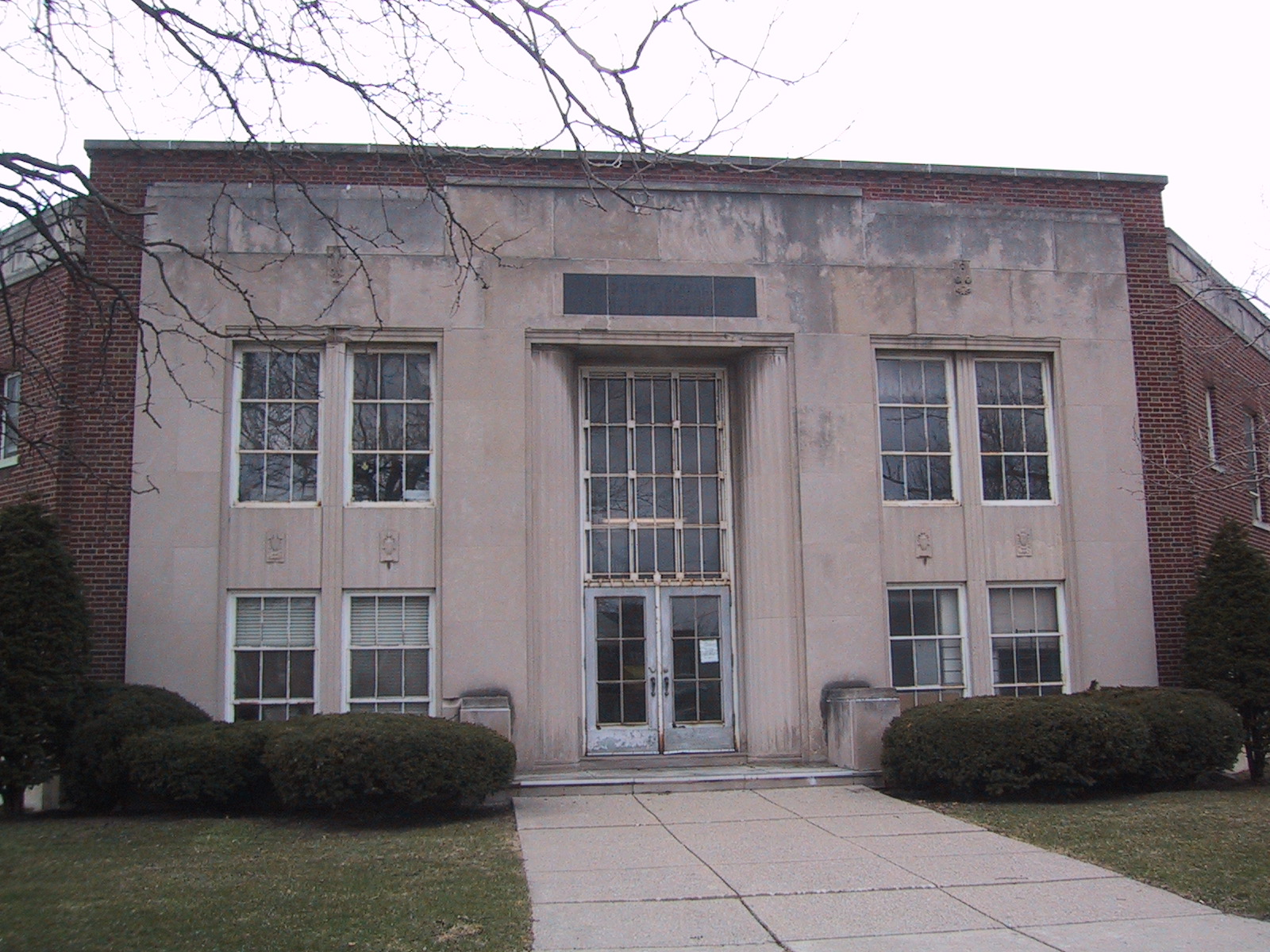
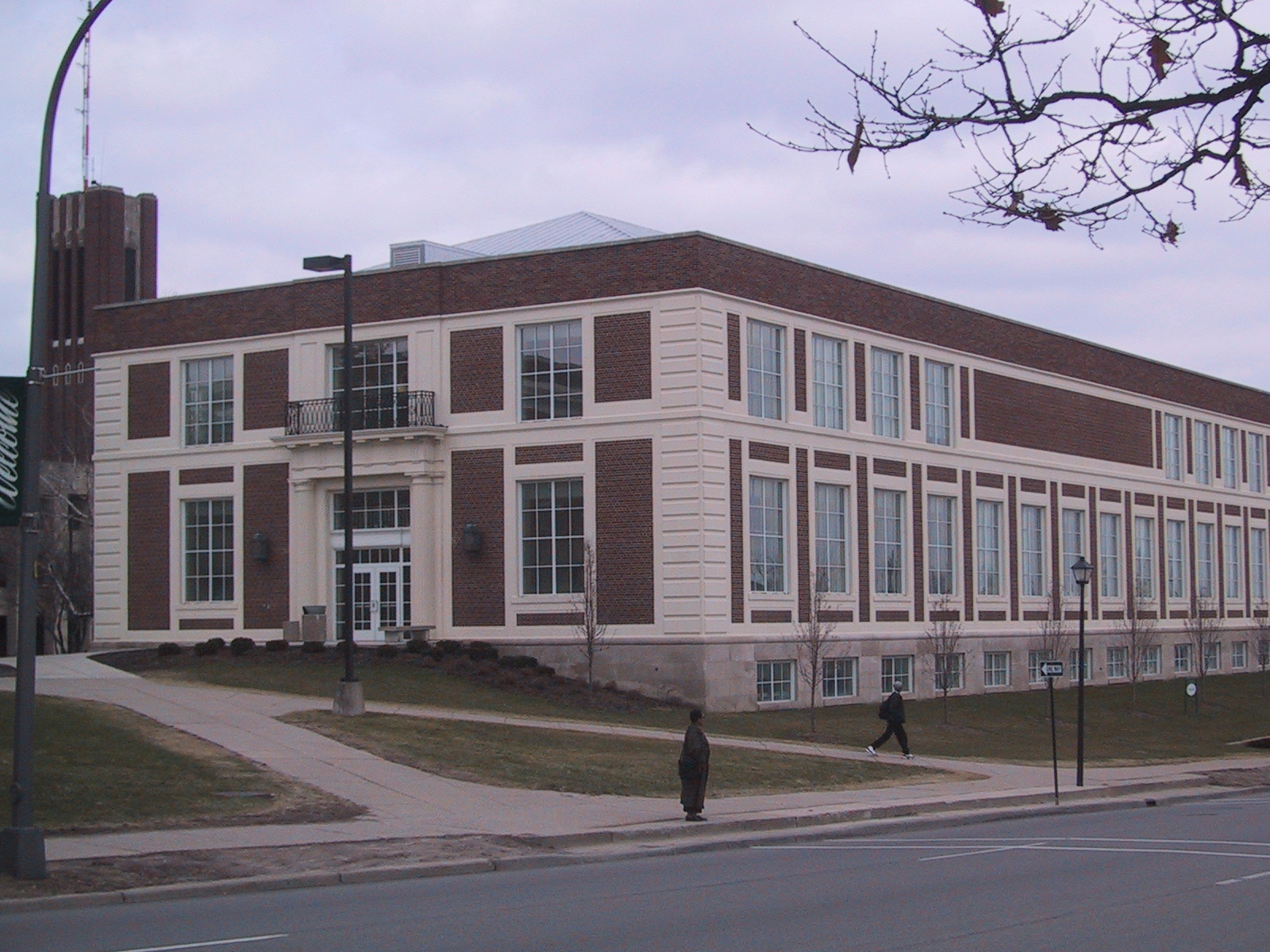
From the mid-1930s through the early 1940s, President John M. Munson sponsored a wide variety of building projects on campus, including four dormitories, a new field house, and a new health building. Built at a cost of $60,000, the health center was intended to insure the good health of students. Glenadine Snow, who had worked at the college since 1915, took charge of the newly built college health center when it opened in 1939. The new health center featured ten patient beds, as well as offices and outpatient rooms. The first student to receive care was Irving Hooper, who suffered a dislocated shoulder. According to the student newspaper, some forty students sought medical attention at the new hospital in order to see the new facility and its features. One night, a student arrived out of breath, with a broken arm and without his trousers. The dedicated health center workers braced his arm, but did not offer him any clothing. This structure served as the Health Center (1939-1961) and then as the Music Building (1961-1984). From 1984-2003, the building housed payroll and other important financial services for the university.
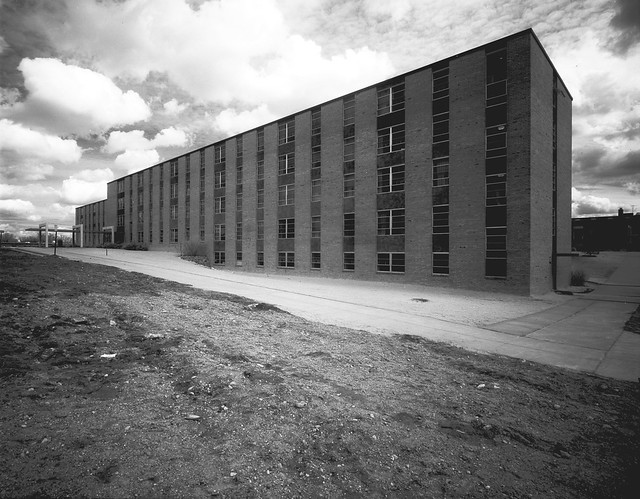
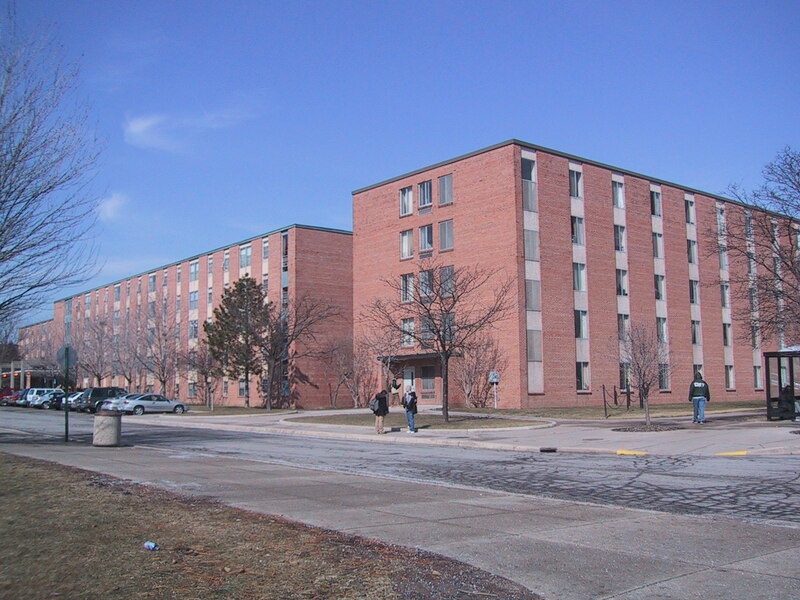
Eastern's enrollment grew rapidly in the post-World War II years, resulting in high demand for more on campus housing. Goddard Residence Hall opened in 1955, and construction began almost immediately on a new housing complex. This time, plans called for four buildings surrounding a central dining facility. When completed, the new housing would contain space for approximately 1,200 students in the geographical heart of campus. Buell was constructed in in 1958. Buell and Downing could each house approximately 300 students. The building was named for Bertha Buell, who served the Normal College as a professor of History, English, and Political Science from 1899-1937. Currently, Buell is open for upperclassmen and transfer student residence.
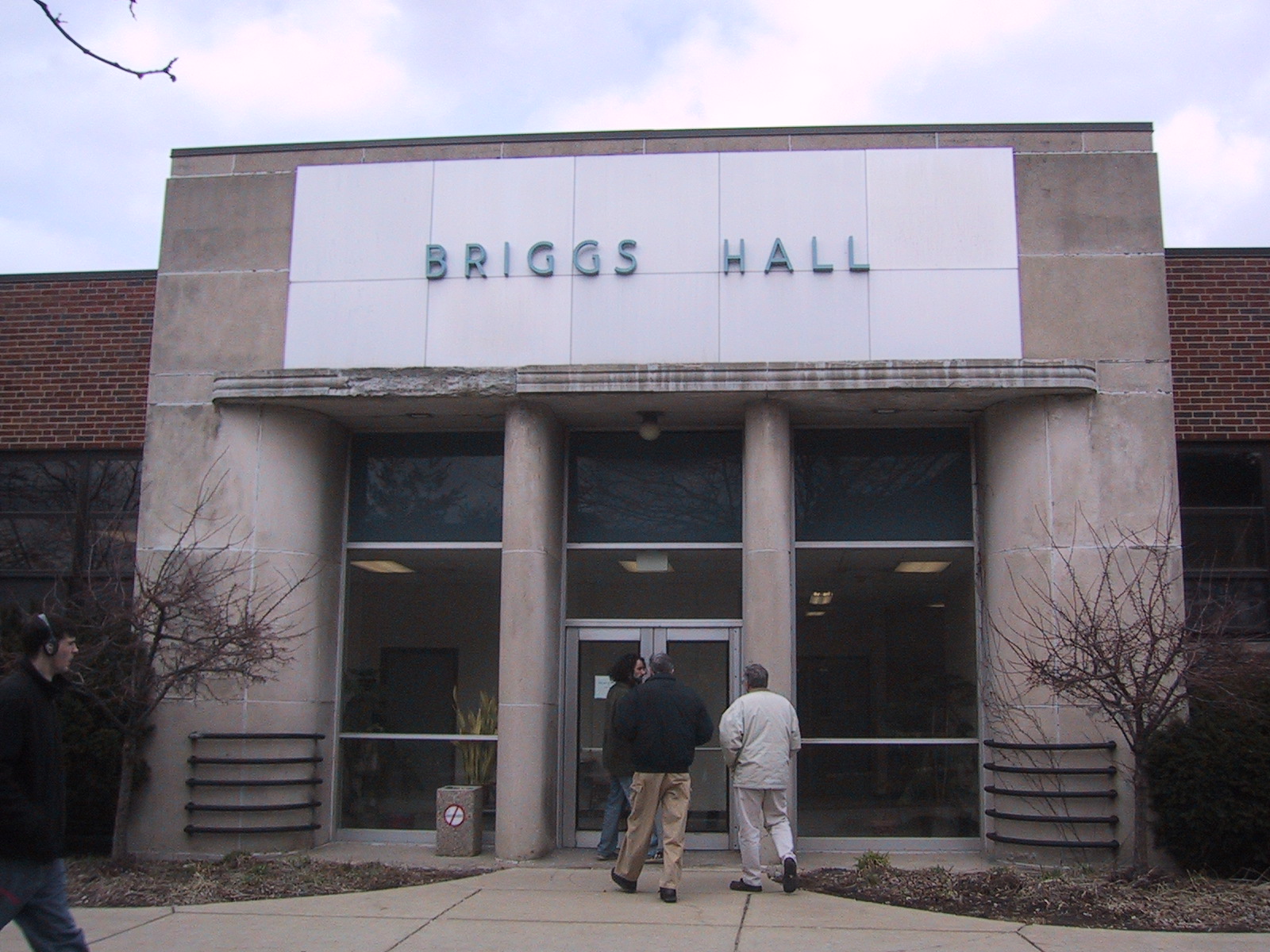
President John Munson placed a gymnasium on his list of priority buildings for construction in the early 1930s. Munson found little support from the Michigan Legislature to fund such a project during the Depression. Munson turned to his personal friend and Ypsilanti native, Walter O. Briggs, Sr. for funding. Briggs, then owner of the Detroit Tigers, was deeply interested in physical education and willing to financially support the construction of the facility. The new field house, which opened in 1937, faced the back of McKenny Union at the heart of the social center of campus. Inside it contained lockers, showers, training rooms, and offices of officials. A large practice room with a dirt floor provided space for vaulting and other winter activities. It also acted as a gateway to Briggs Field which housed a 300 seat stand for football and another for baseball.
Today, Mark Jefferson Hall, Strong Hall, and the parking lot cover the athletic park. With the need for additional classroom space on campus in the early to mid 1960s, Briggs Hall was repurposed, initially for the Mathematics Department and then for the Art Department. Athletics were moved out of the center of campus with the construction of Rynearson Stadium in 1969 and the baseball Stadium in 1971.
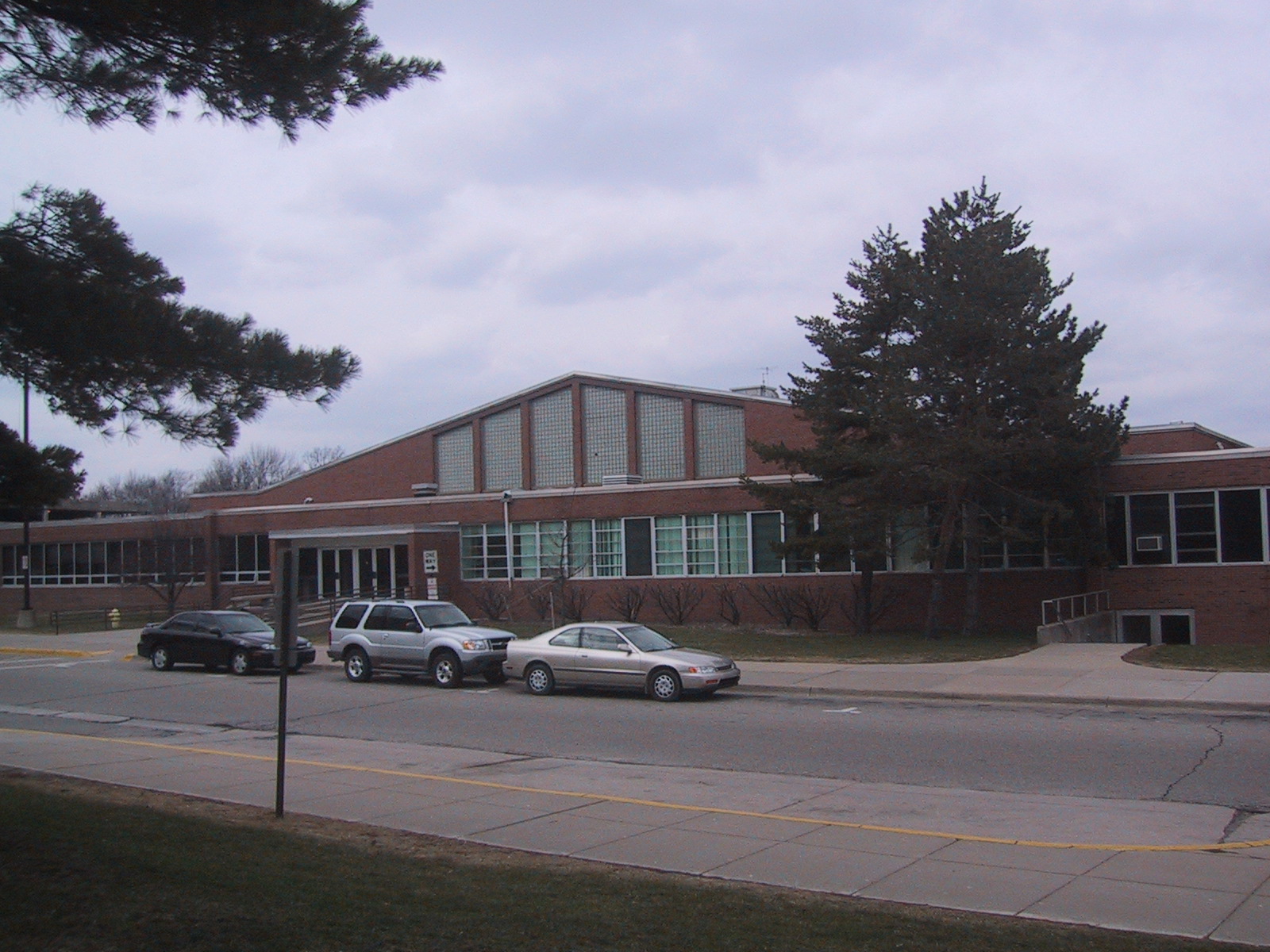
Bowen was the second field house built on Eastern's campus. It was constructed in 1955 during a period of growth for the university. Briggs Fieldhouse was simply too small to accommodate the needs of the growing campus population. Bowen Fieldhouse was built as the first stage of a full-scale physical education facility. Later additions to the building would include a gymnasium, swimming pool, additional locker rooms and classrooms (See Warner Gymnasium and Olds-Robb Rec/IM). The 88,000 square foot building cost $1.25 million to construct. When Bowen was built, it was one of the largest facilities in the country including basketball, track, and baseball practice areas, also included facilities for outdoor activities like tennis and badminton. It also has indoor classrooms. There was permanent seating for 1,200 spectators and theoretically, additional seating capacity for 6,000. The building also included an 8-laps-to-the-mile track, a hard surfaced infield, a lounge, and a physical therapy room. Bowen Field House saw 351 wins in its 43 years as the home of Eastern's basketball team. Cheering and applause echoed from the steel beams of the building leading a radio announcer on WEMU to refer to the building as "The Old Barn" and the name stuck. Originally, the basketball court was located in front of the balcony and the baskets were at the east and west ends of the court. The floor later switched to north/south direction in 1960. "The Old Barn" still serves as an exercise facility for the EMU community.
Boone hall was constructed in 1914 on the site of the former Conservatory. The building was originally called the Administration Building, but served as a multipurpose space. Administrative offices were housed on the first floor which was shared with the Modern Language Department, drawing classes and studios were upstairs, and the Manual Training Department and the YMCA had spaces in the basement. By the 1950s, administration moved out of Boone, and it became the Arts Building, a name it held until 1968 when it was renamed for Richard Gause Boone who served as the ninth president of the Michigan State Normal College (1893-99). In 1992, the Art Department moved to Sherzer, and Boone became the home of Continuing Education courses and other offices, which continues to be the function of the building today.
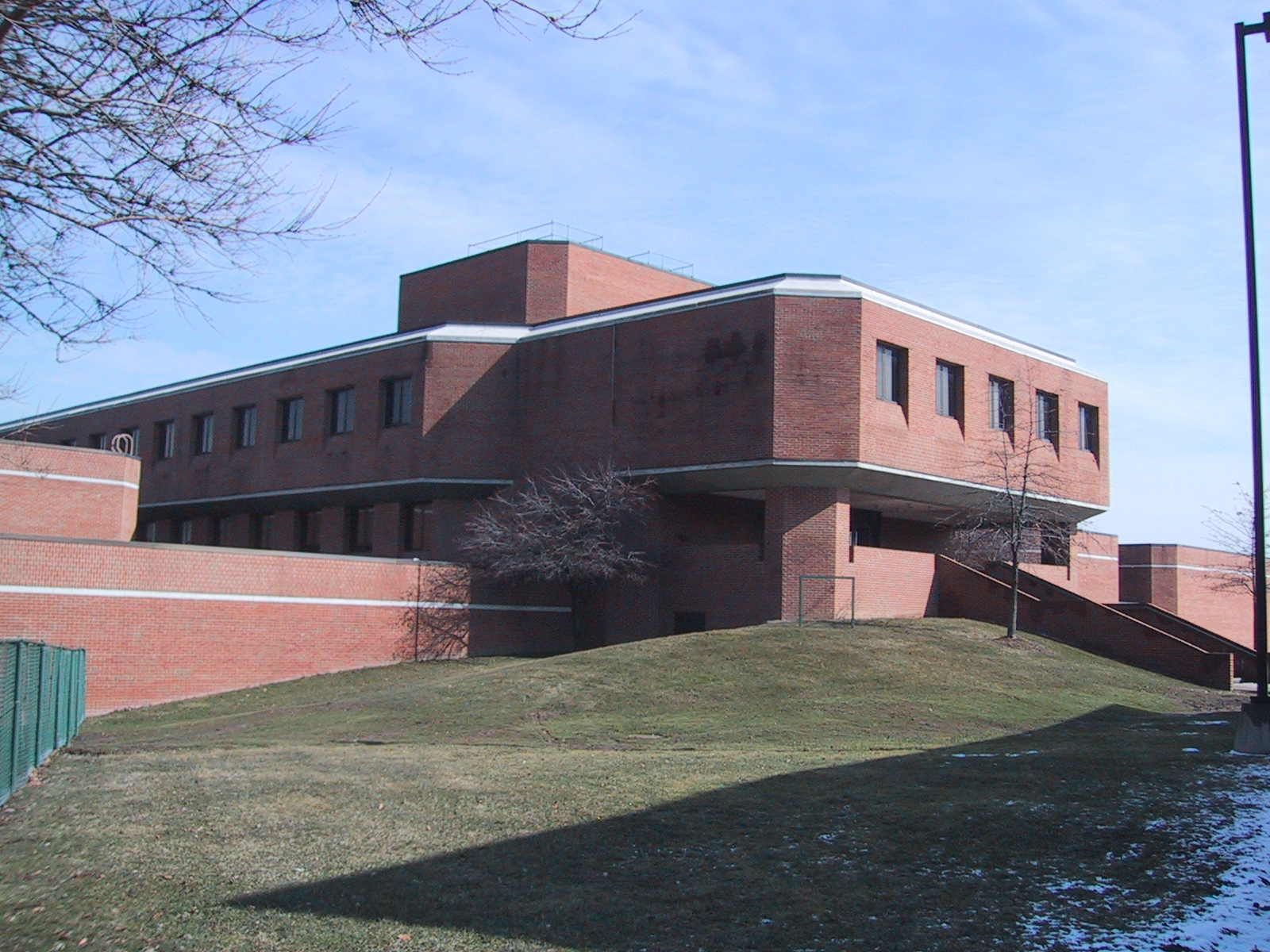
Construction was finished on the Alexander Music Building in 1980, and was named for Frederick M. Alexander who was the head of the Music Department from 1909-1941. The entire building was designed with the needs of the music department in mind, consisting of 86,000 sqft. with practice rooms, an organ recital room, and a large recital hall containing a stage and seating for 150 people.
Unique features of the building include instrument repair rooms containing equipment to re-plate brass instruments. Special resilient caulking and sealant were used in place of a traditional mortar to ensure that sound would not be transmitted throughout the structure. Since solid walls tend to transmit sound vibrations like a tuning fork, solid walls were broken up, and practice and recital rooms were designed with non-parallel walls.
Eastern's enrollment grew rapidly in the post-World War II years, resulting in high demand for on-campus housing. After Goddard Residence Hall opened in 1955 construction began almost immediately on a new housing complex. This time, plans called for four buildings surrounding a central dining facility. When completed, the new complex would contain space for approximately 1,200 students in the geographical heart of campus. Best opened for student residence in the 1960s. The residence hall is named for Martha Best who was a professor of Biology and Bacteriology from 1924-1952.
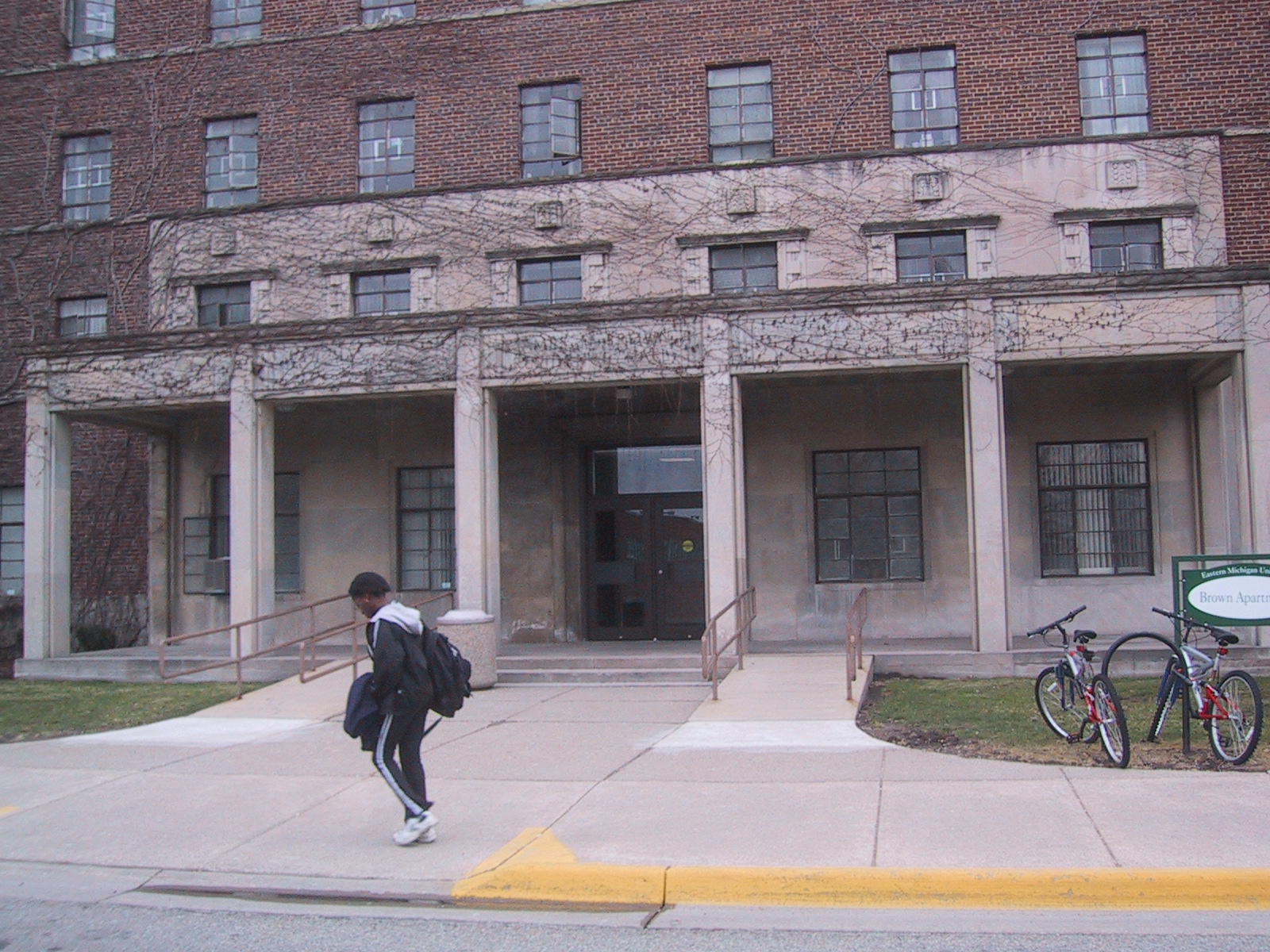
Brown Residence Hall, constructed in 1948, was named for James M. "Bingo" Brown, football and baseball coach 1923-1929 and first dean of men 1925-1962. The adjacent residence hall, Munson, contained 200 student rooms when it was built and Brown contained 250. Brown also had a kitchen and dining room attached. As of 2024, Brown and Munson have been demolished and are set to be turned into green space.
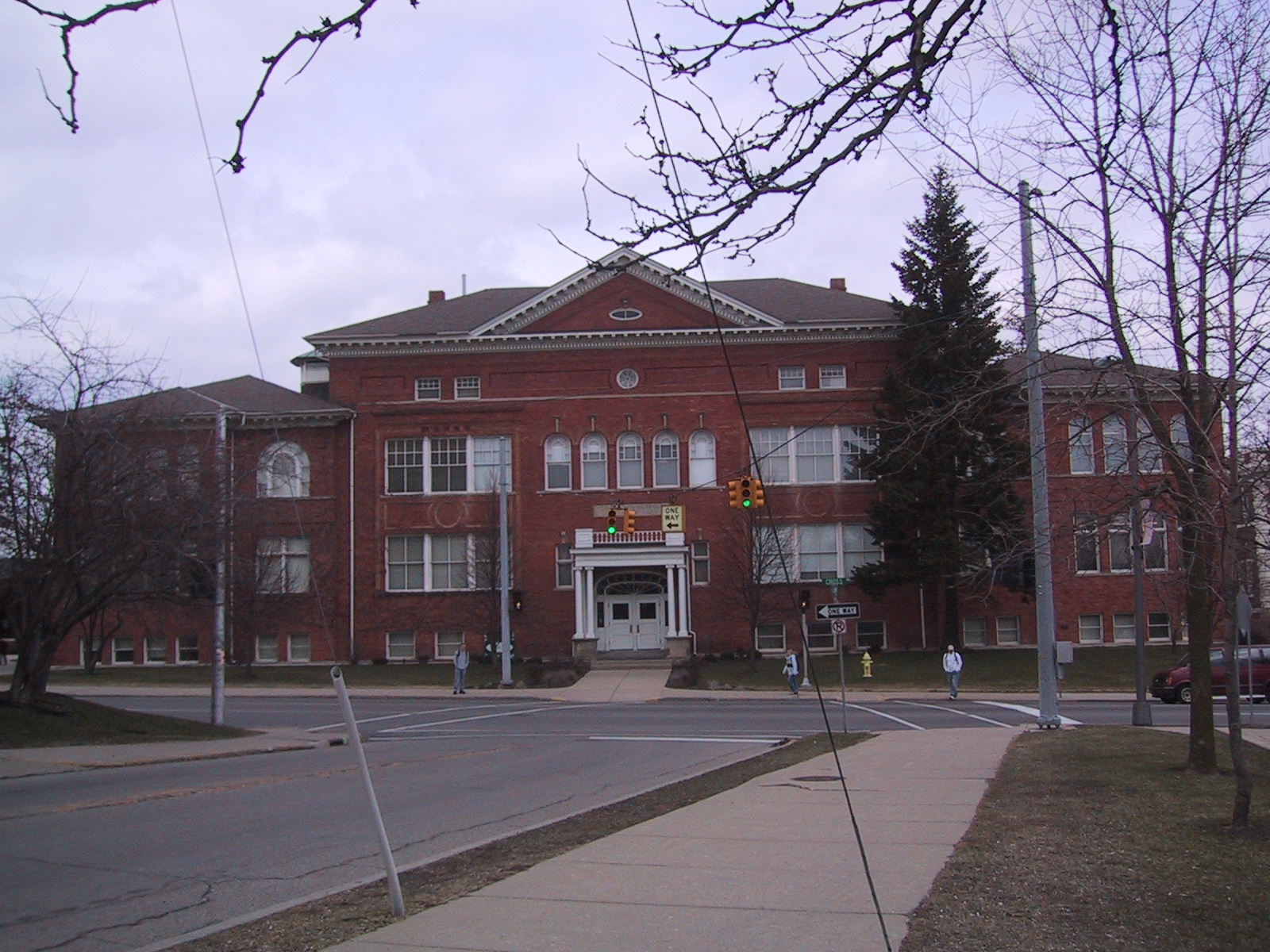
Welch Hall, named after the first president of the school, Adonijah S. Welch, was constructed in 1896 to serve as the new training school building on the Michigan State Normal School (MSNS) campus. The building held classroom space for grades K-8, offices, and an assembly room that could accommodate 400 children. After the MSNS reached collegiate status in 1899, attendance greatly increased, resulting in east and west wings being added to Welch in 1900, and a north-west wing being added in 1909, to create more classroom space for the growing student population. The training school moved to the Roosevelt building when it was constructed in the 1920s, and for the next forty years Welch Hall served as the home for many different academic departments. In the 1960s, Welch was converted into office space and it began being used as the main administrative building on-campus, which is still the purpose it serves today.
Welch was nearly demolished in the 1980s, as decades of poor maintenance caused the building to significantly deteriorate. Dr. Andrew Nazzarro, the man who established the Historic Preservation program at EMU 1979, started the “Don’t Squelch Welch” button campaign to promote support to save the building. This campaign was a success, because in 1985 a $2.5 million federal grant was awarded to EMU to renovate Welch Hall and ensure that the building could continue to serve the EMU community.