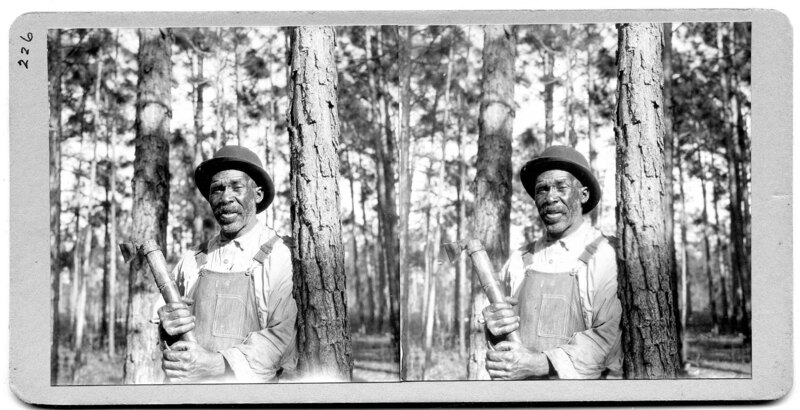
Photograph of a man standing next to a pine tree. The man is holding a small chipping ax. He is dressed in overalls, a work shirt, and a bowler hat. A forest of pine trees spreads out in the background.
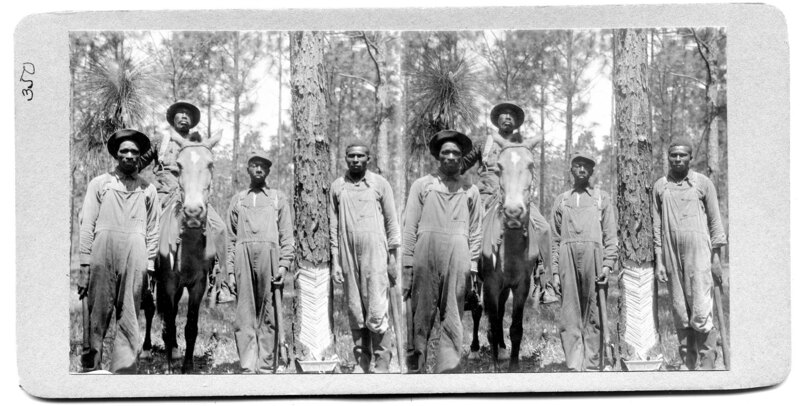
Photograph of four workers standing by a chipped pine tree. One of the men is sitting on a horse. A chipped tree can be seen in the foreground. The tree is collecting sap to make into turpentine and the collection basket can be seen at the base of the tree. A forest of pine trees spreads out in the background.
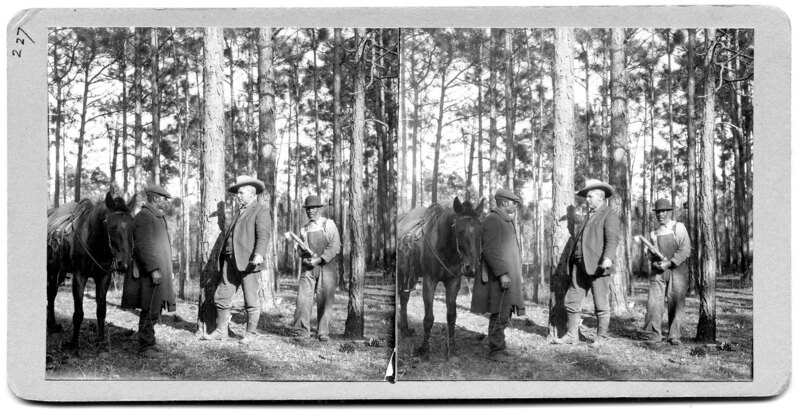
Photograph of three men standing in a grove of pine trees. One of the men holds a chipping ax and is dressed in work overalls.The other men dressed in overcoats inspect the tree in the foreground .
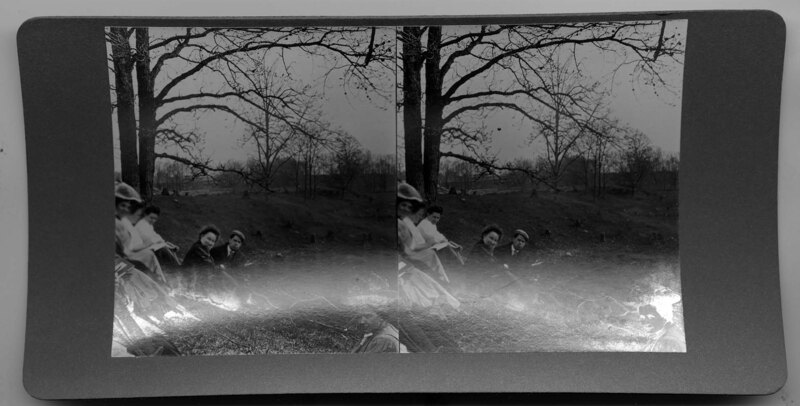
Photograph of a group of students sitting on a grassy hillside. Trees cover the top portion of the hill Several trees stumps dot the side of the hill where the students are sitting.
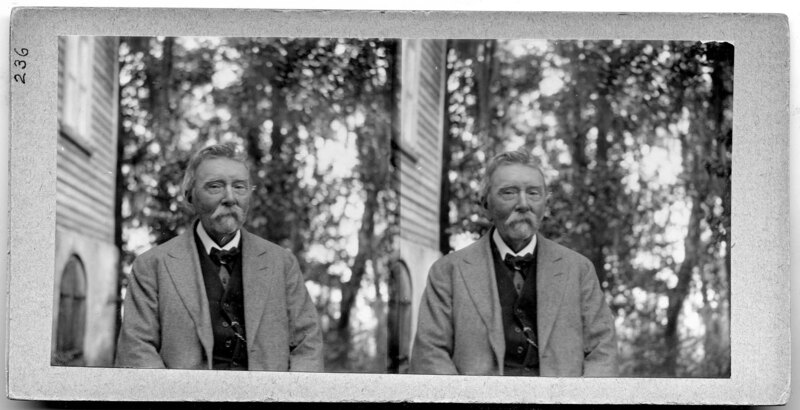
Portrait of Mr. David Doar of Harrietta. Mr. Doar is wearing a wool overcoat, a vest, and a dress shirt with a bowtie. He is sitting outside of his house, which appears to be multiple stories. Trees grow in the background.
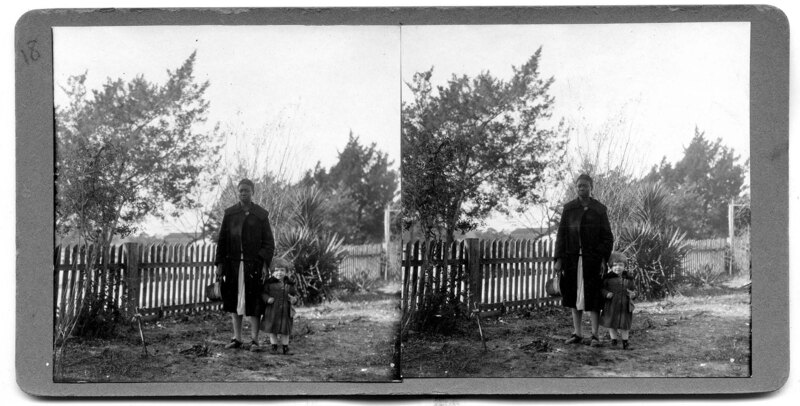
Picture of a woman named Mary and a child on a January day in the side yard. Mary is wearing a heavy wool jacket and a dress with stockings and shoes, and the child is wearing a wool jacket with stockings and boots. A wooden picket fence divides the property from the road and palmetto plants grow in the yard in the background. A grape vine trellis can be seen in the background.
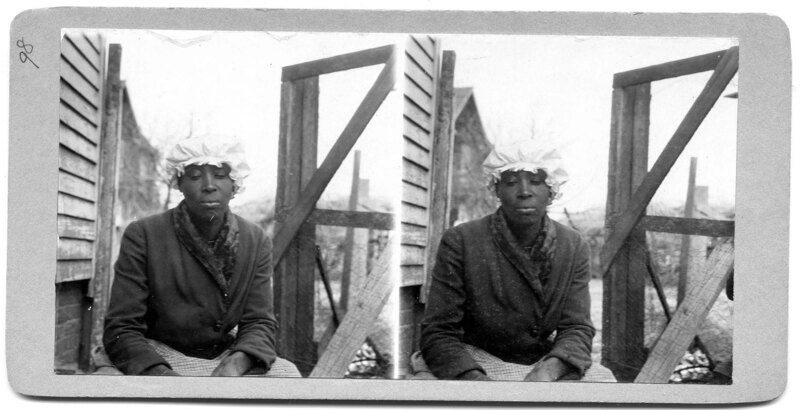
A portrait of Isabel Garrett. She is wearing a bonnet, wool overcoat, and a gingham skirt. She is sitting next to a wooden and wire gate next to her house and a second house can be seen in the background.
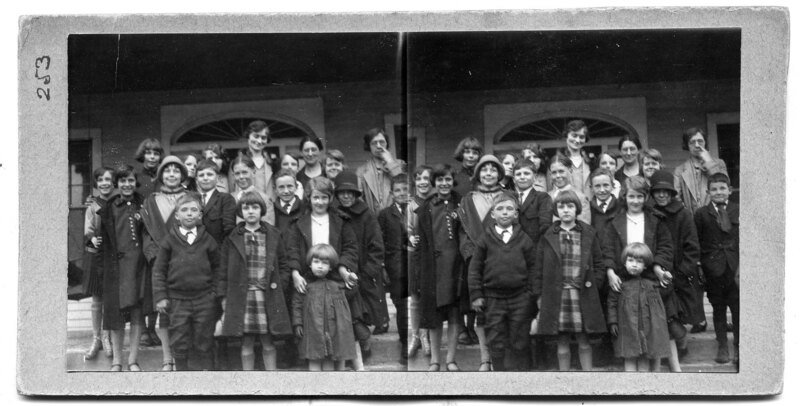
Photograph of a group of children and three women. The individuals stand on the steps outside of a house or school. A large transom window spans the top of the doorway behind the ground. A large portico extends over the porch.
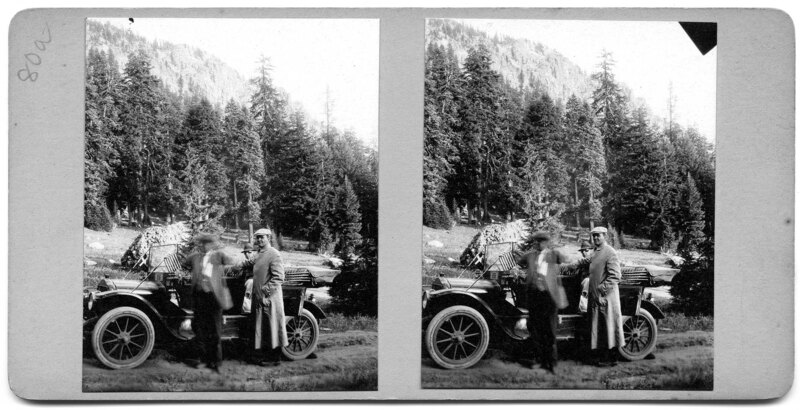
Photograph of three men standing by a car in a mountain landscape. The car has Amerian and Denmark flags flying on the front. The road is deeply rutted and is covered with grass in places. Massive douglas fir trees grow on the hill in the background. A rocky mountain face rises above the trees in the background.
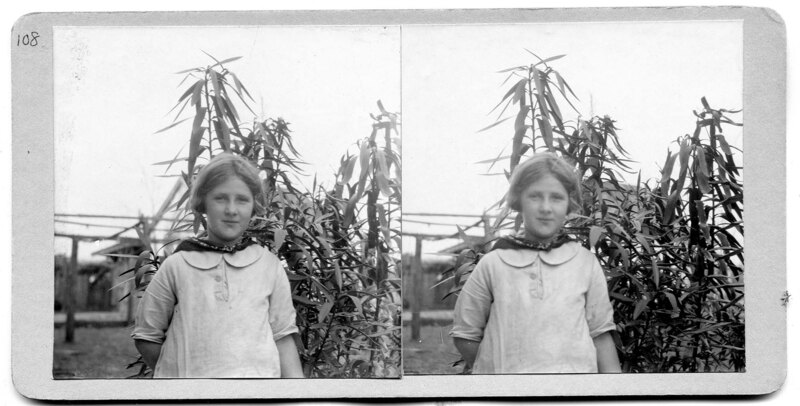
Photograph of a young girl standing in front of plants. She is wearing a cotton dress with a collar and a bandana around her neck. A wooden trestle is standing behind her, likely for viney plants. A house can be seen in the background.
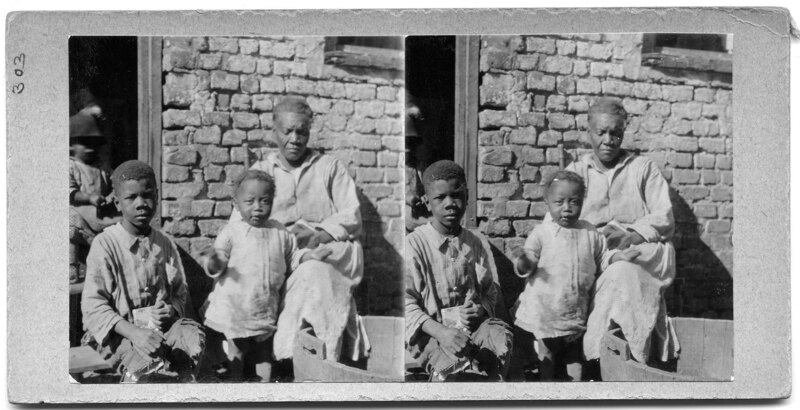
Photograph of an African American woman sitting outside of her house with three children. She is wearing a cotton gingham dress. Two of the children are dressed in cotton dresses and the boy has a cotton button-down shirt and wool pants. He is holding a small book. The house is constructed of hand-cut brick and mortar joints with a wooden window with a wooden shutter. A large wooden tub sits in front of the house.
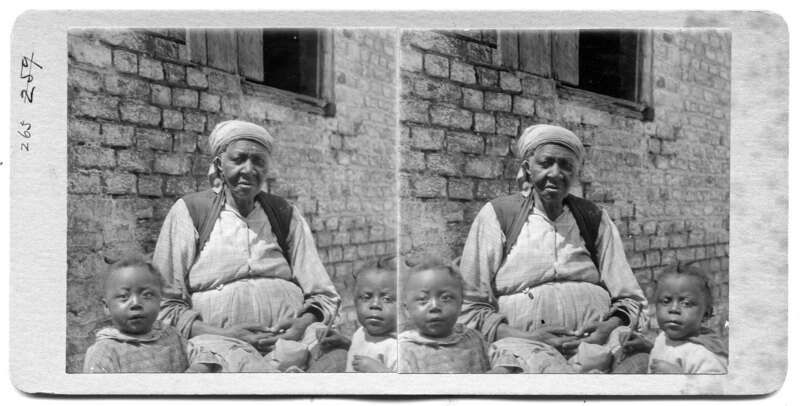
Photograph of an African American woman sitting outside of her house with two small children. She is dressed in a cotton button-down dress, a shawl, and a headwrap. The children both have cotton dresses. The house is constructed of hand-cut brick and raked mortar joints with a wooden window with a wooden shutter.
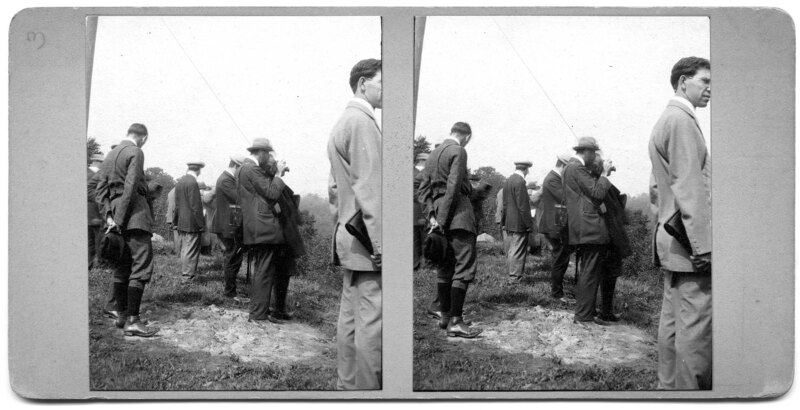
Photograph of a group of men documenting the landscape. Several men are taking pictures of the landscape to the right. Others study topographic maps and take notes. A stand of trees can be seen in the background behind a wooden fence.
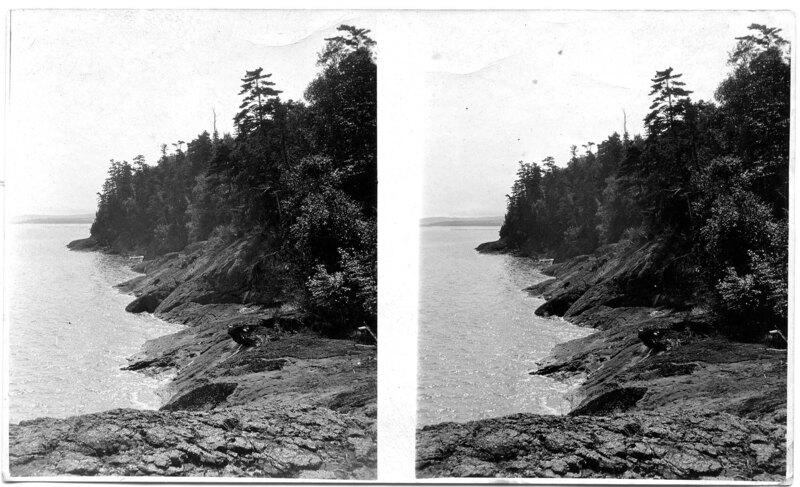
Photograph of a rocky shoreline. Water cuts away the rock near the lake. Trees and other vegetation cover the boulders. A rock bed above the water can be seen. Hills can be seen in the background, making up the opposite bank of the lake.
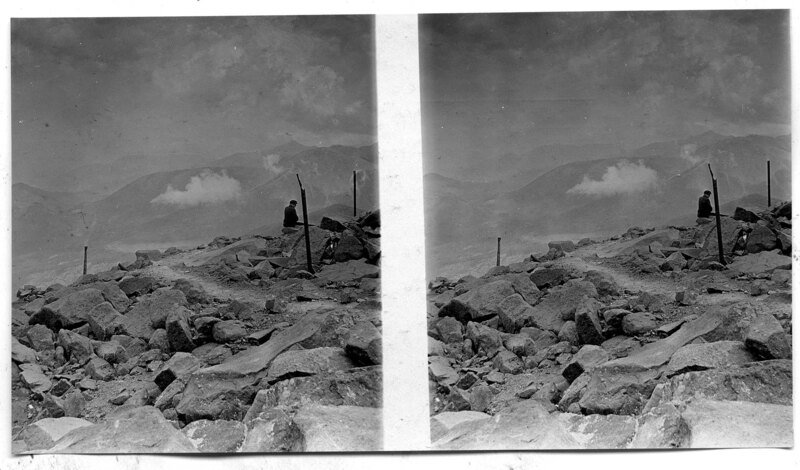
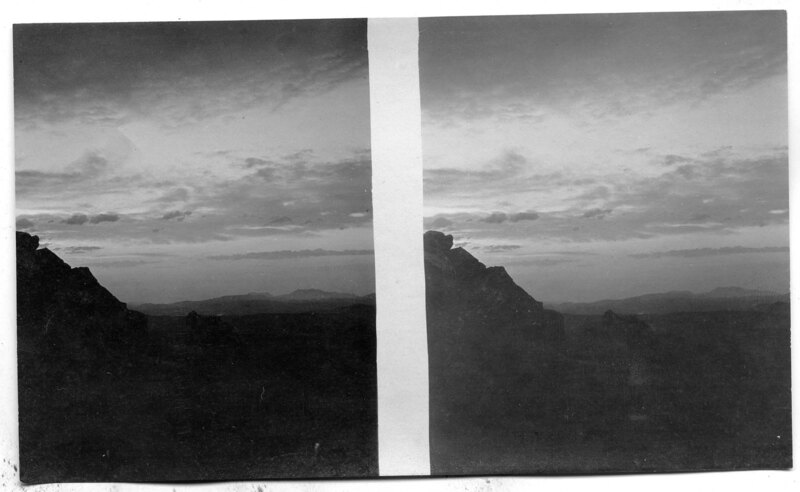
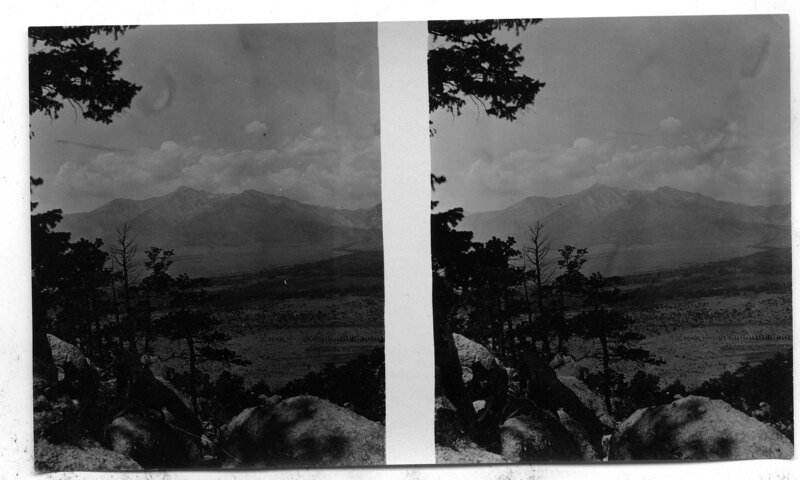
Photograph of a man sitting on a rock overlooking a mountain landscape. A small dirt path can be seen between the large boulders on top of the hill in the foreground. Dead tree trunks rise up through the boulders, but there is no vegetation in the area. Clouds hang in the air between the mountains in the background.
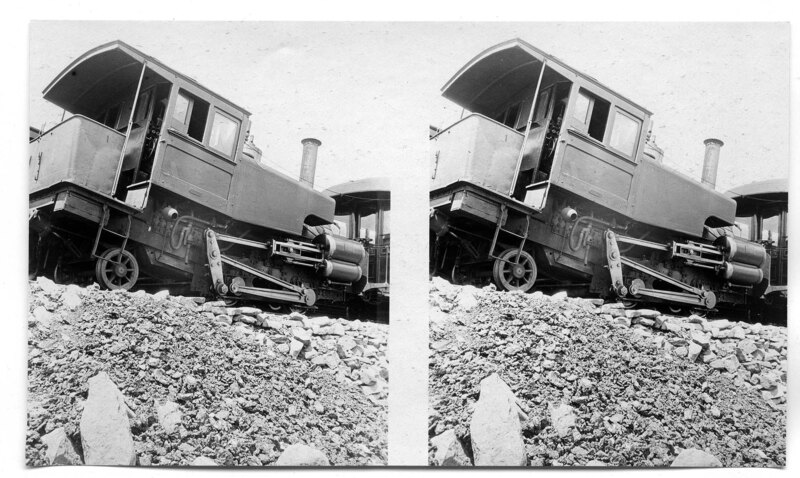
Photograph of a steam powered locomotive. The engine cabin has a small room for the conductor sheltered by an overhanging portico. Pistons and mechanical arms can be seen on the side of the cabin. A smokestack rises out of the engine room to the right. A second car can be seen to the right. The landscape around the train tracks is rocky.
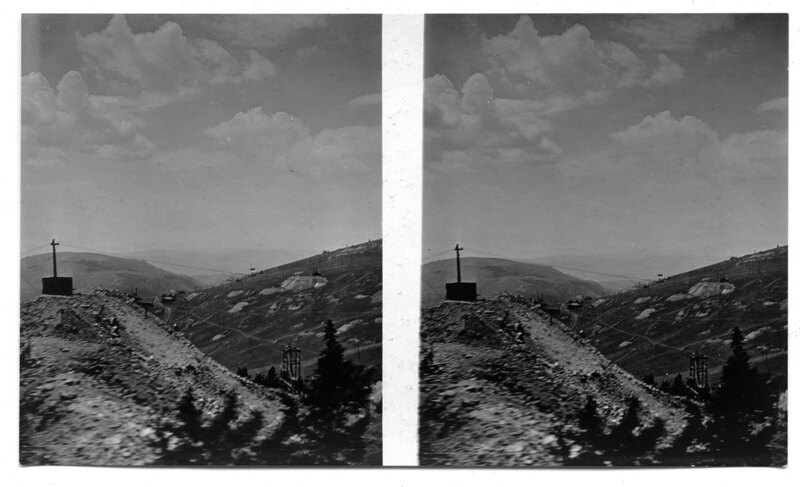
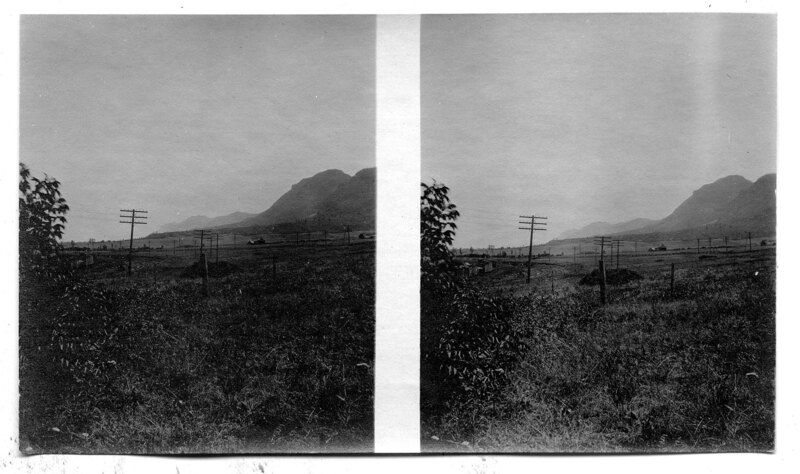
Photograph of a mountain landscape. Power lines cross over the hills in the foreground. The hills in the background are covered with grass and large boulders. A road can be seen on the side of the hill. Mountains rise in the background.
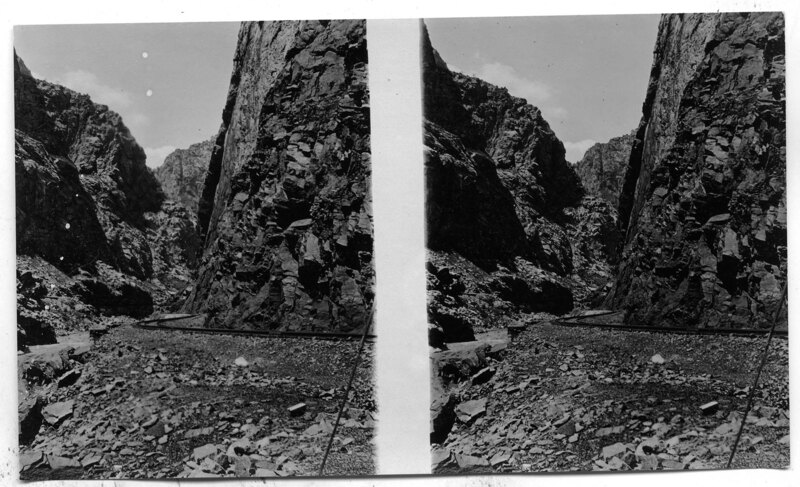
Photograph of a rail line cutting through a rocky mountain landscape. Steep rock walls surrounds the train tracks as they curve through the landscape. The rock walls are deeply striated and cracked from years of erosion. Large boulders sit beside the tracks. A river runs beside the tracks to the left.
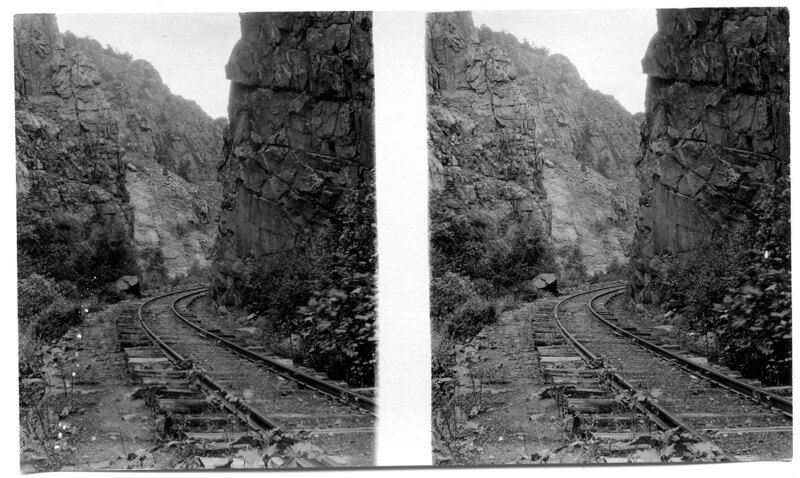
Photograph of a rail line in a rocky mountain landscape. Steep rock walls surrounds the train tracks as they curve through the landscape. The rock walls are deeply striated and cracked from years of erosion. Large boulders sit beside the tracks where they have fallen from the rock face above.
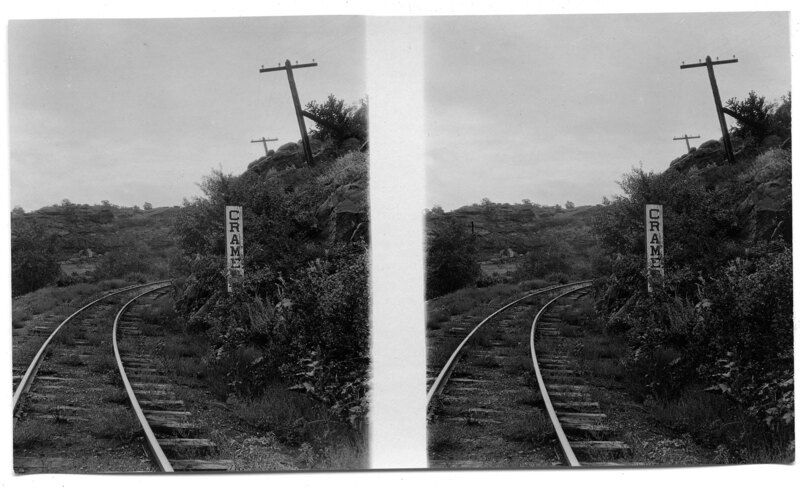
Photograph of a rail line in a mountain landscape. A sign next to the roadway is partially covered but the visible portion reads, "Crames." Powerline covered with vegetation with boulders are strung on the hillside above the tracks.Rocky hills can be seen in the background.
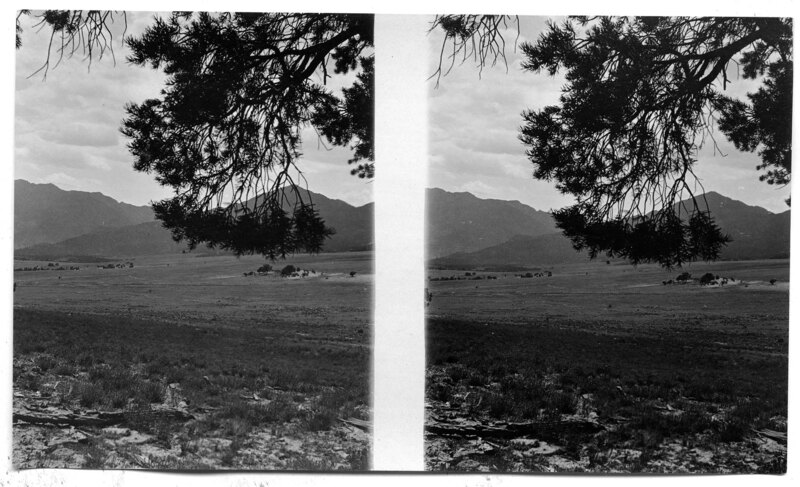
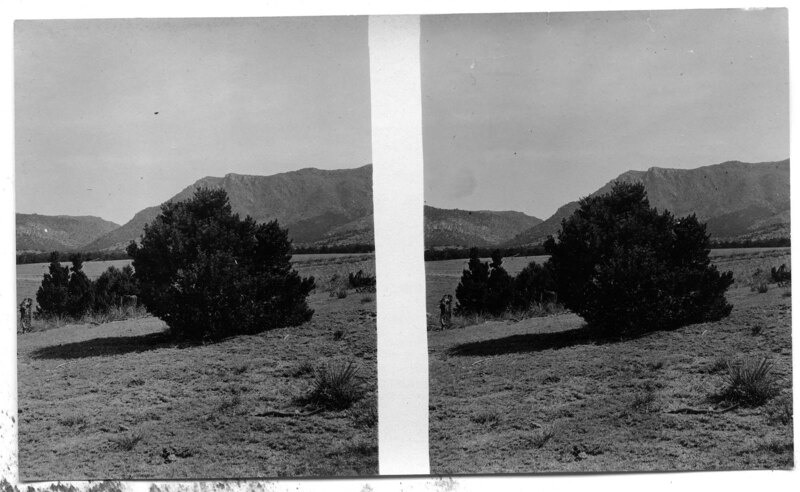
Photograph of a mountain landscape. An evergreen tree can be seen in the foreground . Grass covers most of the ground in the plateau between the mountains and trees cover the peaks in the background.
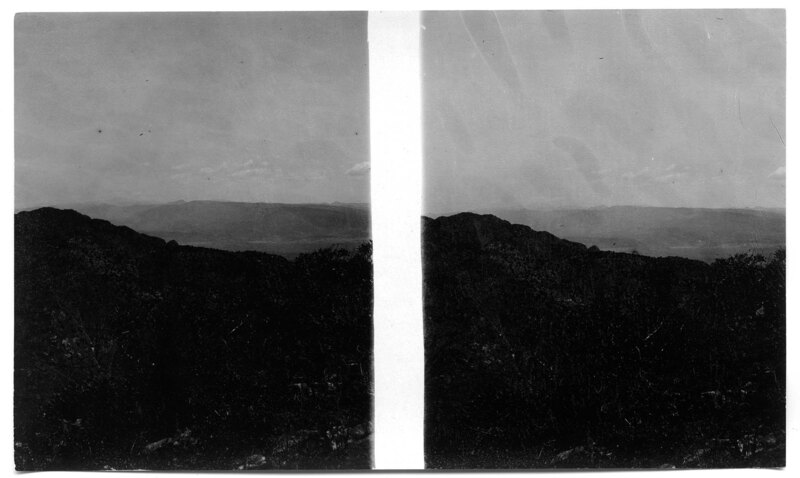
Photograph of a mountain landscape. Vegetation covers the peaks in the foreground. A valley can be seen between the mountains and range in the background.
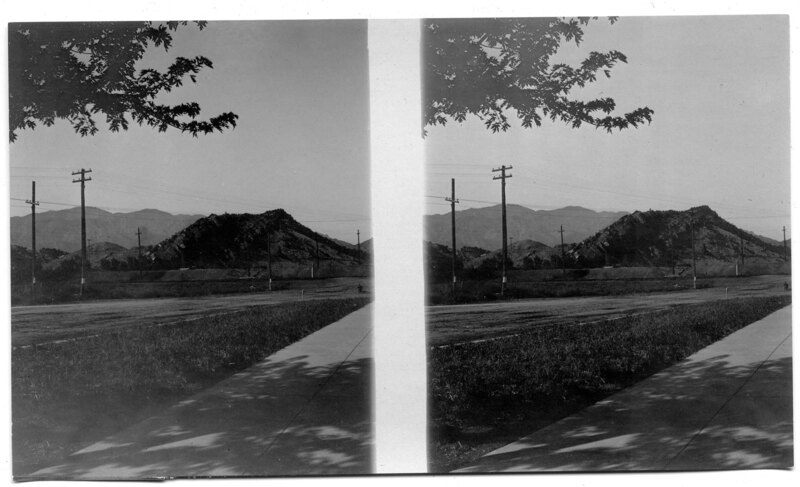
Photograph of a mountain streetscape. A concrete walkway and a dirt roadway cross in front of several mountain peaks. A man walking in the road can be seen to the right. Power lines are strung between wooden poles on the left side of the road. The peaks are covered with vegetation and rise in the background, behind the town.
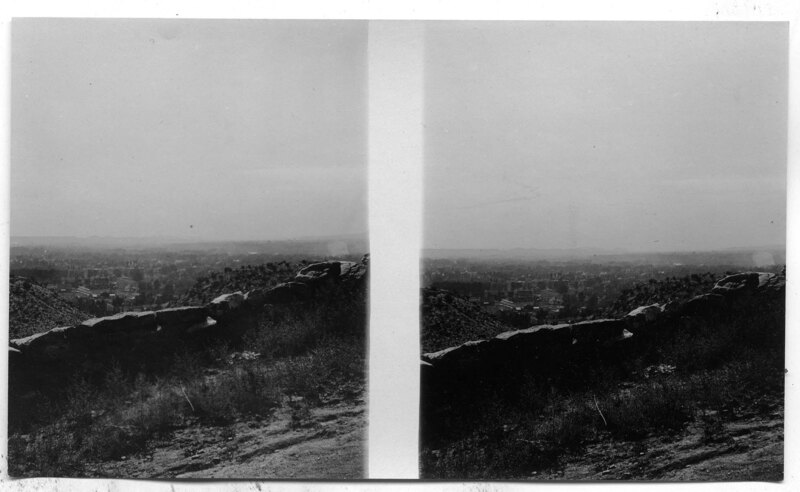
Photograph of a village surrounded by large hills. A stone fence can be seen next to the dirt roadway in the foreground. Mountains rise in the background.
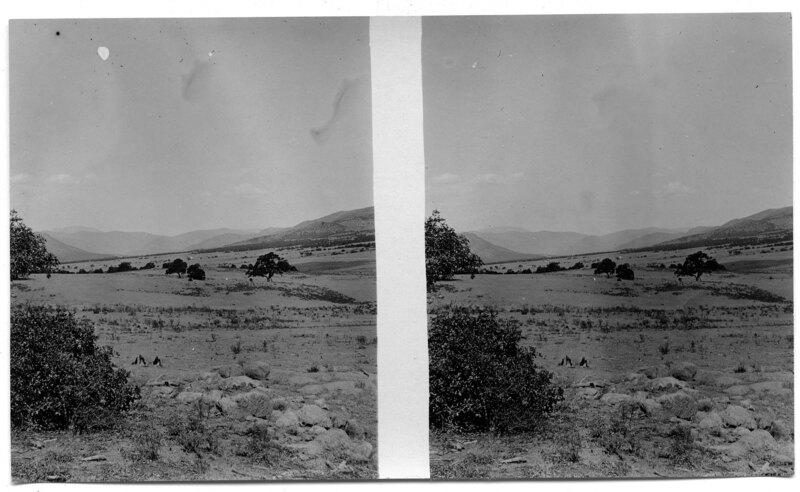
Photograph of a mountain landscape. The landscape in the foreground has sparse vegetation. The shallow plateau in the foreground is also covered with vegetation. A steepe mountain peak can be seen in the background
Photograph of a mountain landscape. A small village with several roads can be seen at the base of the mountains.Vegetation covers the sides of the mountains. An extensive switchback road crosses up the mountain behind the town.
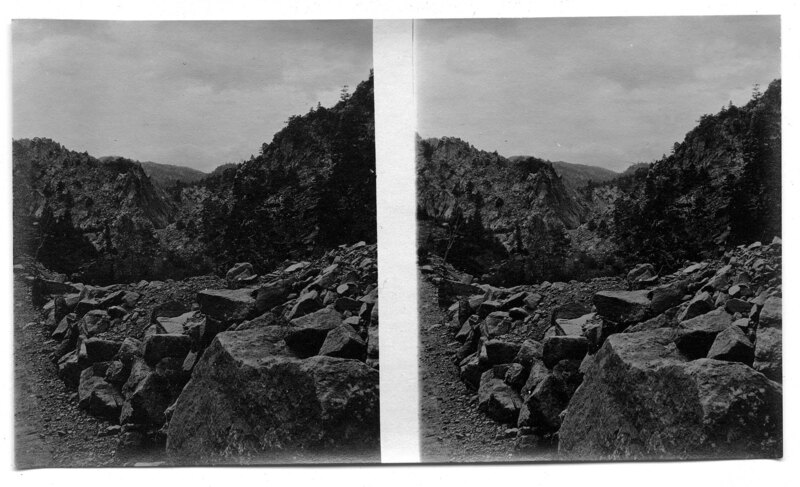
Photograph of a mountain landscape. Large boulders surrrounded by vegetation are piled on the hillside in the foreground. A river can be seen at the base of the mountains as it cuts through the valley. The rocky peaks in the background are covered with vegetation.
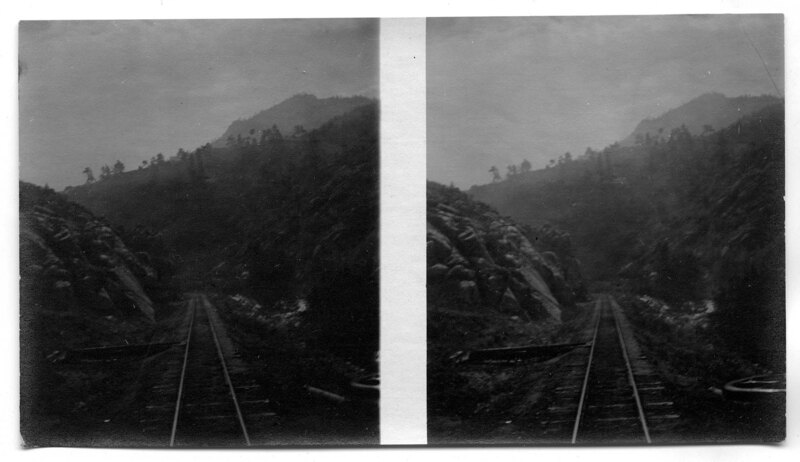
Photograph of railroad tracks cutting through a rocky landscape. Large boulders and striated rock faces rise around the rail line. Several stands of trees cover the tops of the rocky cliffs. Mountains rise in the background.
Photograph of a mountain landscape. Large boulder are piled on top of the hill in the foreground. A rocky path can be seen to the left. Trees and other vegetation cover the sides of the peaks in the background.
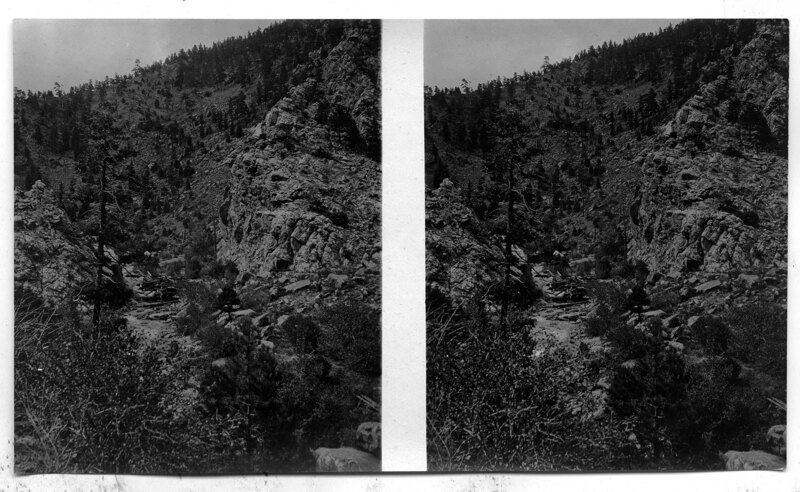
Photograph of a mountain landscape. A river with boulders on the banks cuts through the valley between the hills. Trees and other vegetation grow on the sides of the peaks, and scrub bushes surround the river on the banks. Deep cracks and striations have formed in the rocks of the hills from years of erosion.
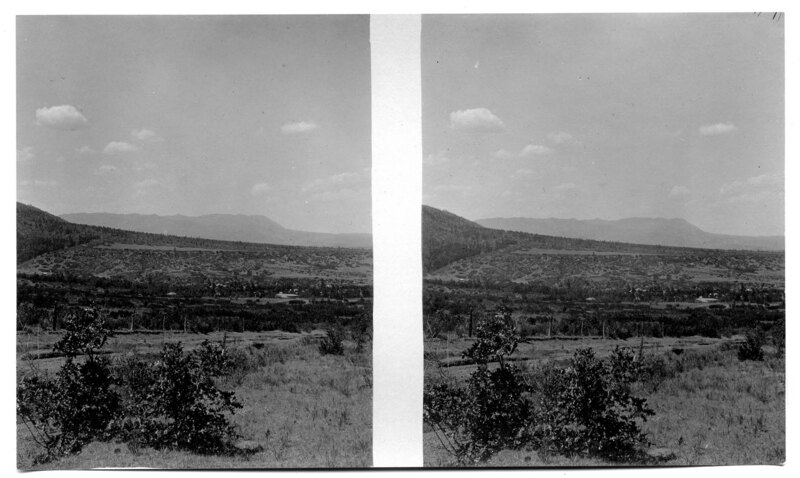
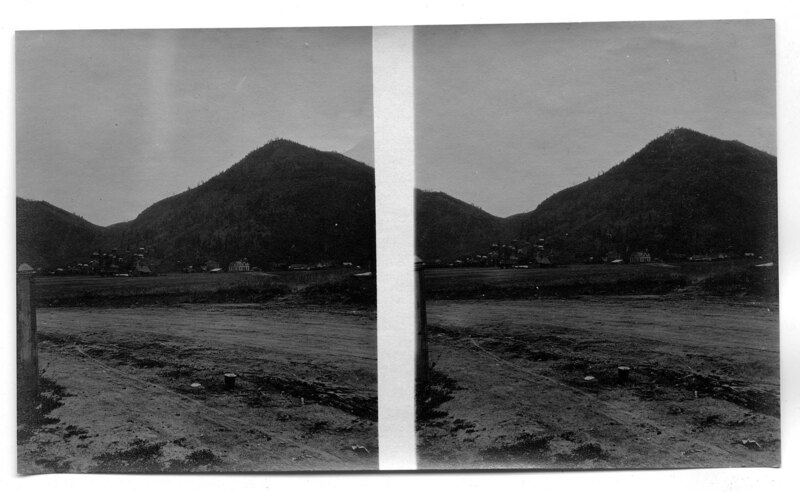
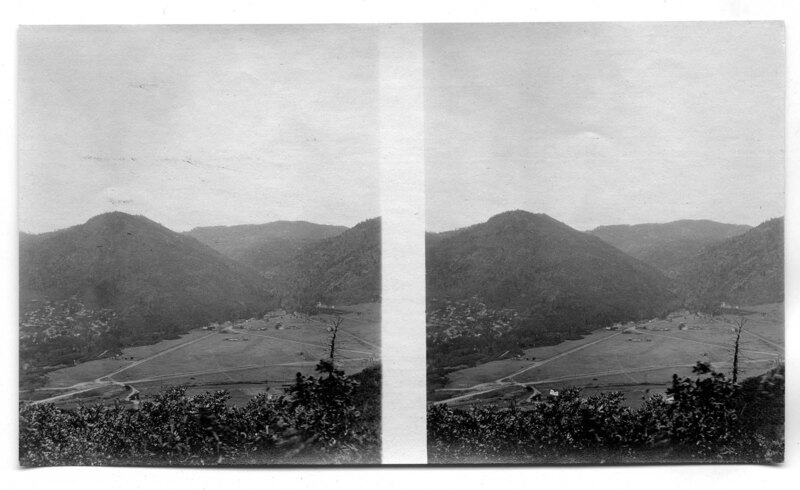
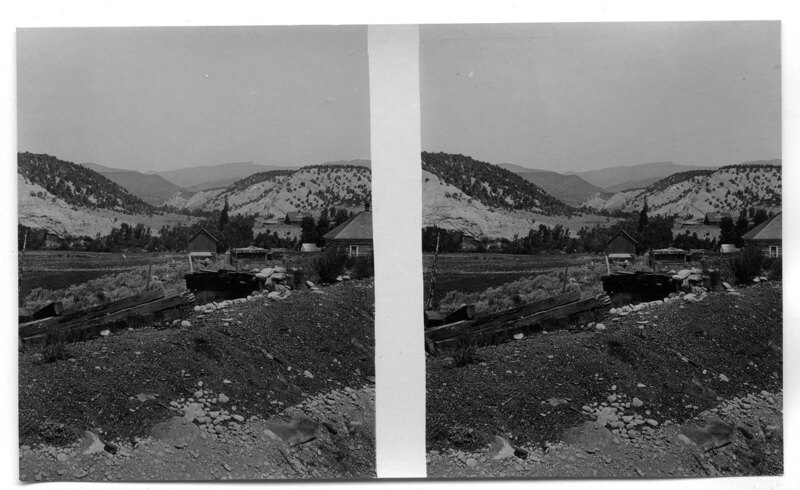
Photograph of a mountain village. Several houses at the base of the peaks can be seen in the background. The landscape in the foreground is flat and clear cut, likely for agriculture. The dirt roadway is rutted and muddy. The peaks in the background are covered with trees and other vegetation.
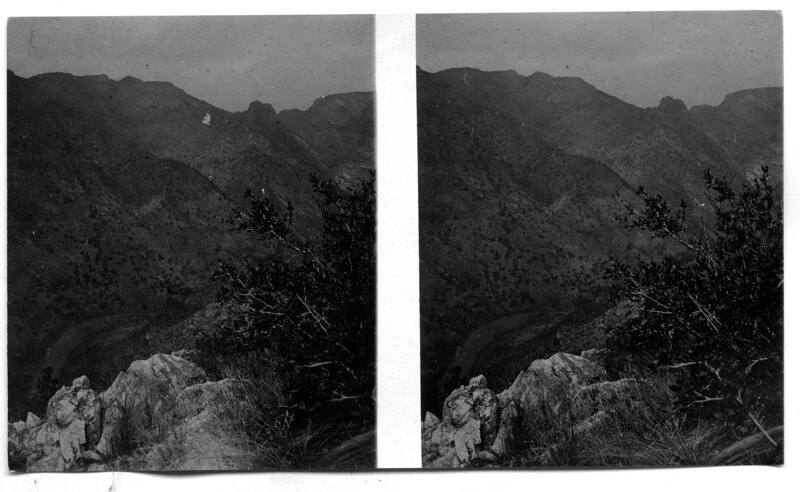
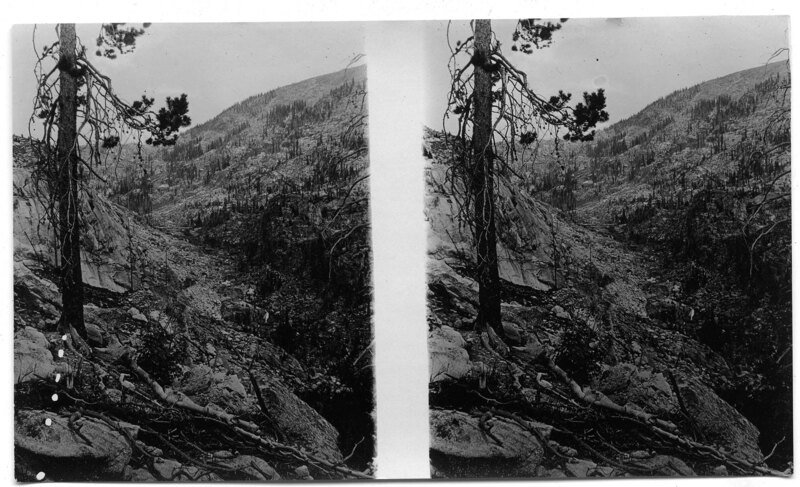
Photograph depicting a mountain landscape. A single tree grows out of the rocky soil in the foreground. The roots of the tree anchor the plant to the large boulders on the hill which stretch down the mountainside. Stands of trees cover the sides of the peaks in the background. Large boulders are piled in the valley between the two mountains after years of erosion.
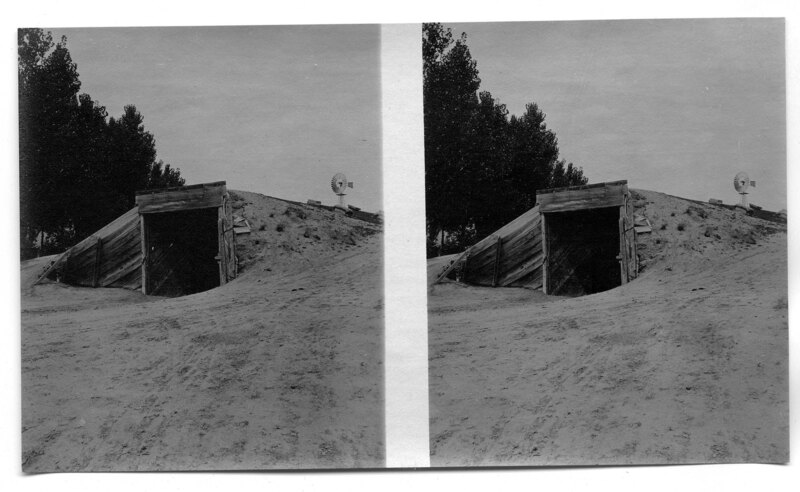
Photograph of a root cellar. The entrance to the cellar is open. The root cellar is built in a dirt embankment. Wooden boards around the entrance hold back the dirt from filling in the cellar. A tree line can be seen to the left. A windmill can be seen over the dirt embankment in the background.
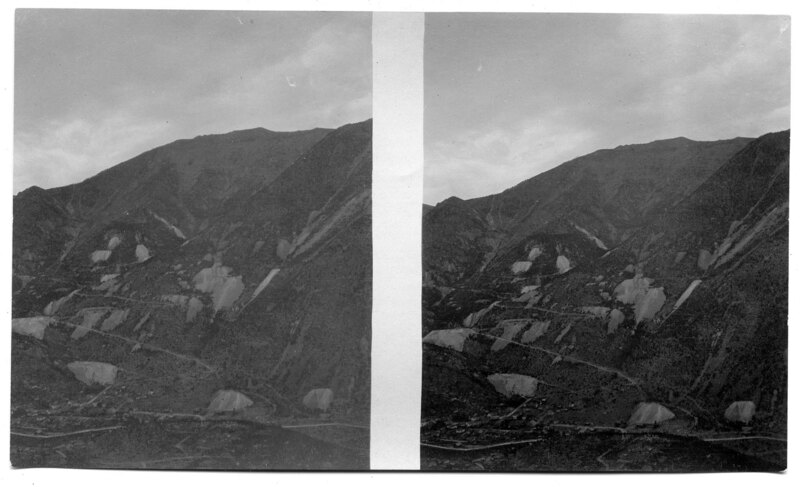
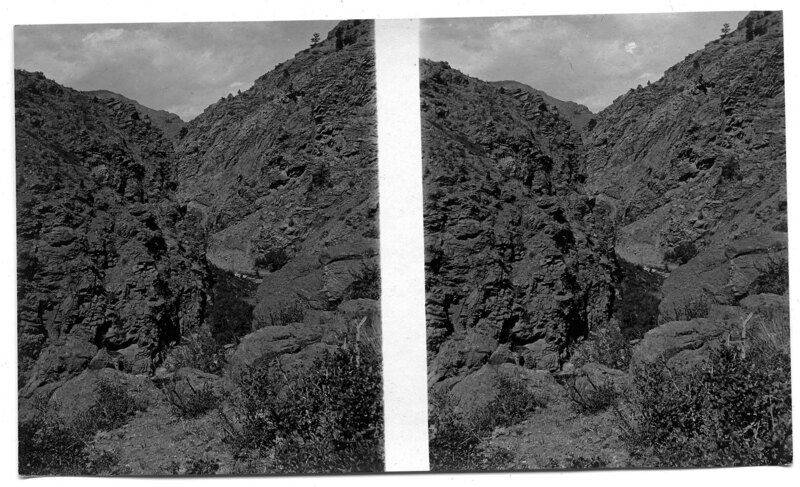
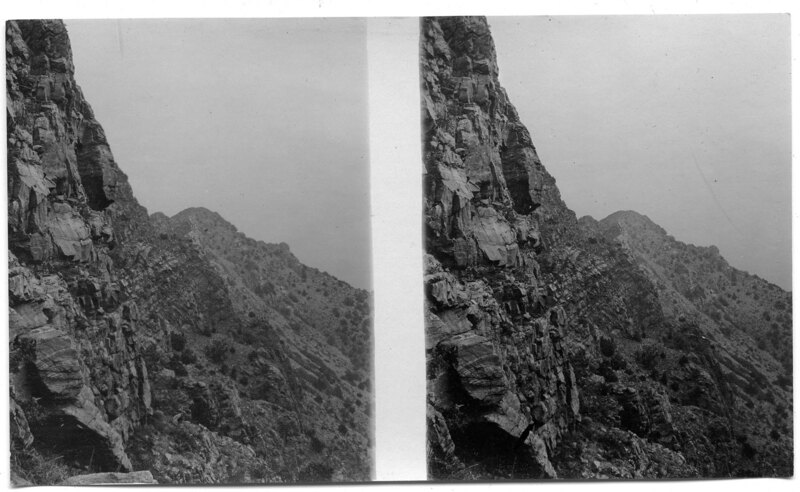
Photograph of rocky mountain landscape. Deep cuts and cracks have formed in the rocky face of the mountains in the foreground. Small bushes and grasses grow up between the boulders.
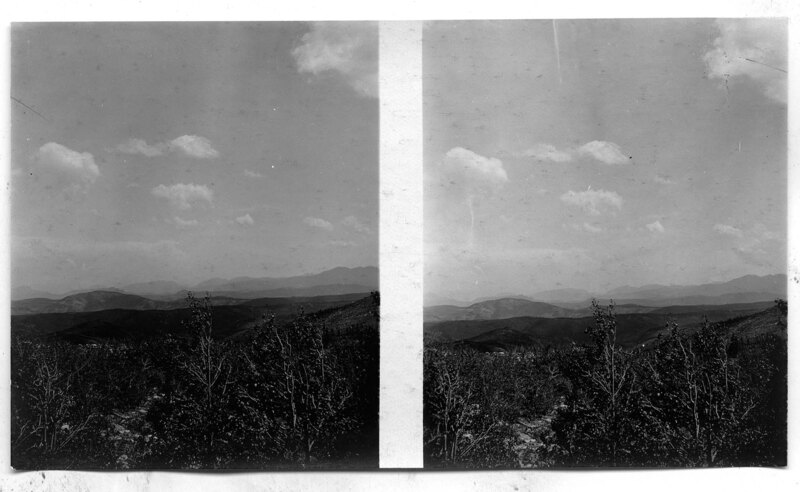
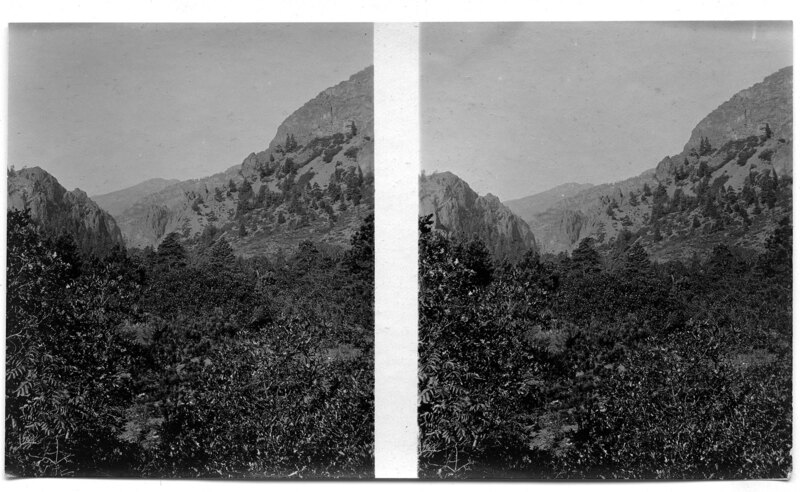
Photograph of a mountain landscape. Dense vegetation covers the hill the foreground. A mountain range can be seen in in the background. The other peaks in the range are also covered with vegetation.
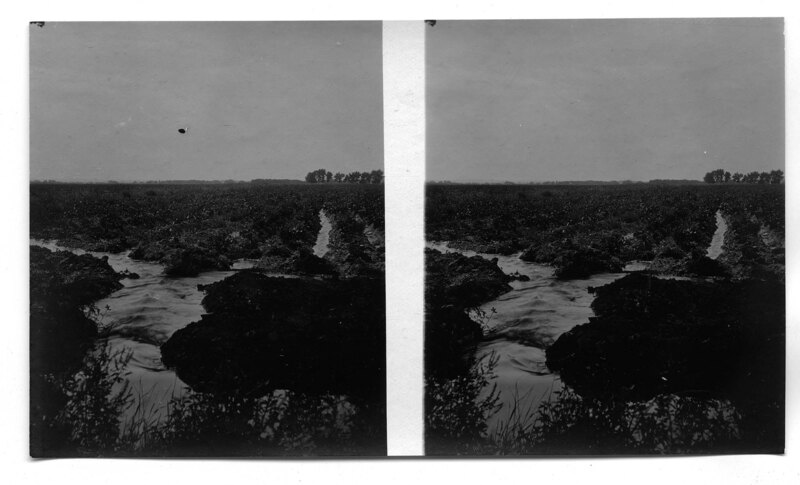
Photograph of agricultural irrigation ditches. The landscape is flat and cleared for farming. Trenches have been dug between the furrowed rows of plants to allow water to seep into the ground around the plants. A cut has been made in the embankment from the ditch in the foreground to allow water to pass into the trenches in the field. A stand of trees can be seen to the right at the rear of the field.
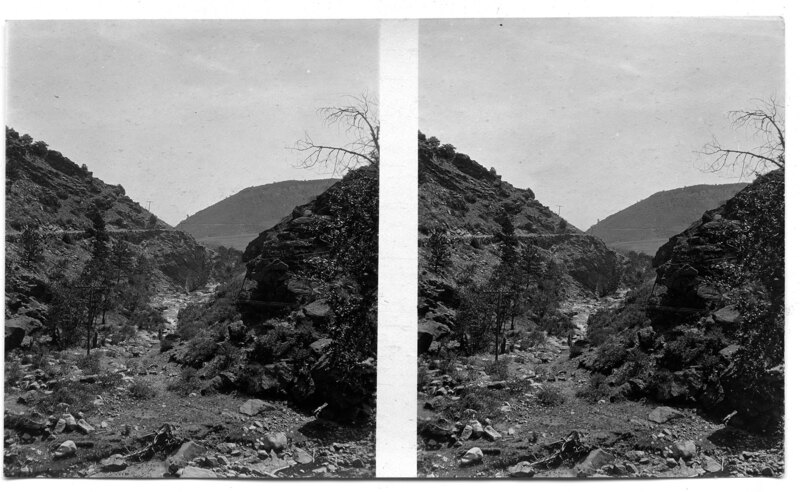
Photograph of a mountain landscape. A river with boulders on the bank cuts through the valley between the two hills in the foreground. Power lines cross over the stream.Vegetation covers the hills between the large rocks. Hills rise in the background.
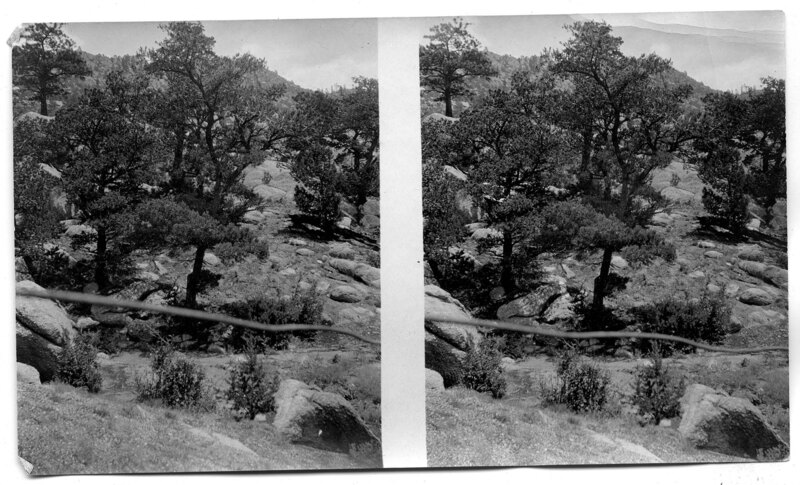
Photograph depicting a rocky mountain landscape. Grass covered boulders cover the hillside. Trees create shadows on the mountain. Other peaks can be seen in the background. A wire fence crosses in front of the camera in the foreground.
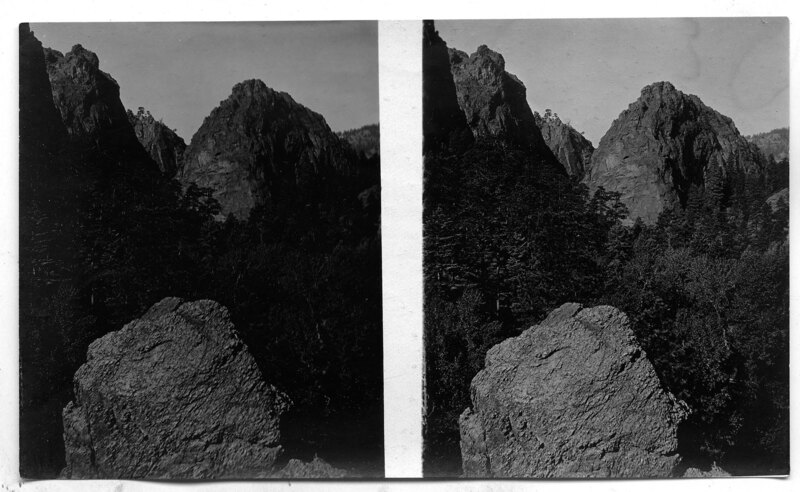
Photograph of rocky mountain peaks. A large boulder sits on the side of a mountain in the foreground. Tall evergreen rise up from the valley below. Several trees grow on top of the mountain in the background.
aerial image of a mountain landscape. Several farms and houses can be seen in the valley of the mountains. The valley has been clear cut for the houses. Dense vegetation covers the hills and mountains. The peaks are shallow and curved. A village can be seen at the base of the hill to the left.
Photograph of a rocky mountain landscape. The steep banks of the mountains rise into peaks in the background. The landscape in the foreground is rocky and rugged from years of erosion. Short bushes cover the rocky mountain faces. Piles of boulders at the base of the cliffs can be seen in the foreground.
aerial image of a mountain landscape. Trees grow between the large boulders in the foreground. An extensive valley spreads out at the base of the mountains. Sparse trees and other vegetation cover the landscape. Tall mountain peaks rise in the background.
Photograph of a mountainscape. Several farms can be seen in the valley of the mountains. A house and several outbuildings can be seen in the foreground. A large barn can be seen on a small hill in the background. The landscape is rocky with little vegetation. A bridge made of wooden planks can be seen in the foreground. Large boulders are piled on the banks of the stream. Mountains with sparse vegetation rise in the background.
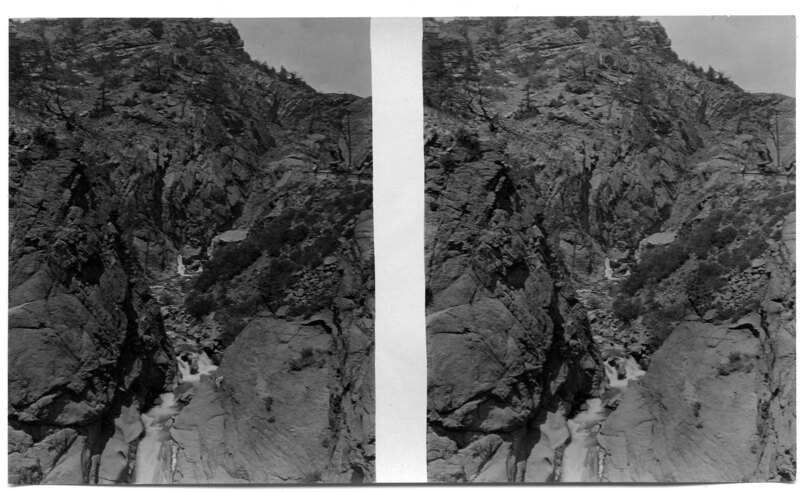
Photograph depicting a rocky mountainscape. A river cuts through the rocky face as it travels down the mountain. Large grooves and striations are cut in the stone on the face of the mountain from erosion.
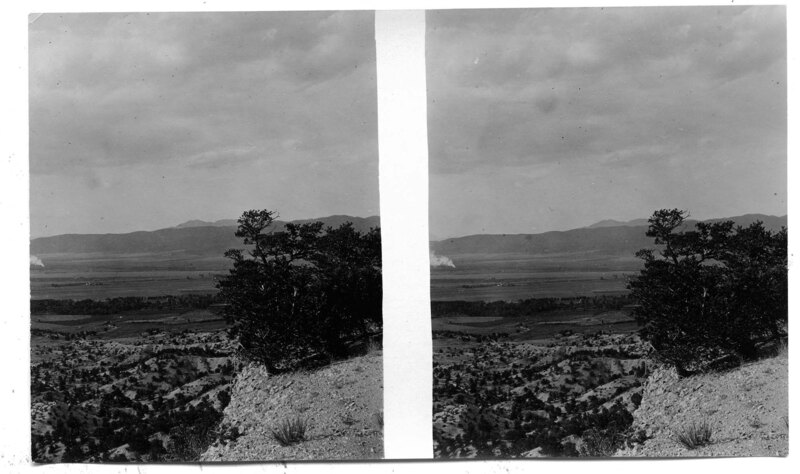
Photograph of a mountain landscape overlooking a valley. The landscape in the foreground is arid and rocky with little vegetation, and the landscape of the valley appears to be covered with grass. Several houses can be seen at the base of the hills Mountains rise in the background.
Photograph of a hilly landscape. Large boulders cover the side of the hill. Trees and small bushes grow between the boulders on the hill and grass covers the entire hill.
Photograph of a mountainscape. Boulders and rocks sit on the ground in the foreground.There is little vegetation, suggesting this is a mostly arid landscape. Mountains rise in the background.
Photograph of a railway and several farms near mountains. The railway winds through the landscape to the left and is surrounded by powerlines. Several farms and houses can be seen to the right and mountains rise in the background.
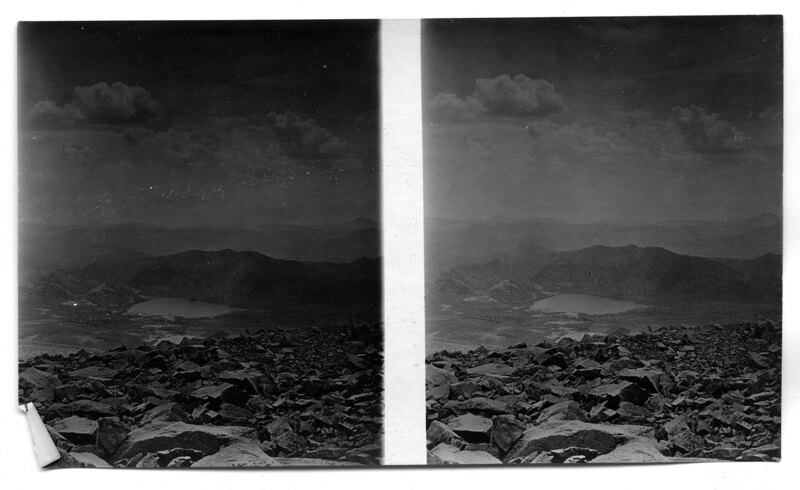
Photograph depicting an aerial view of a mountain landscape. Large rocks and boulders are piled on the hill in the foreground. A mountain lake can be seen at the base of the hill. Steep peaks rise up around the lake and are covered with trees and grass.
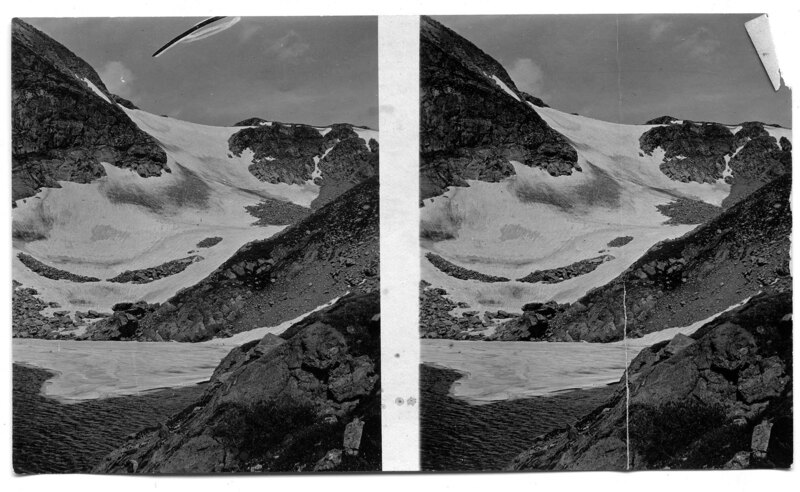
Photograph depicting a large glacier near a rocky mountain. The lower portion of the glacier grinds away on the rocks in the foreground.The top portion of the glacier sits in the valley of the mountains in the background. The landscape is littered with large rocks and boulders. A portion of the ice has melted in the foreground, leaving behind a mountain lake.
Photograph of a mountainscape. Large boulders and rocks cover the hill in the foreground. Hills with stands of trees can be seen out into the distance.
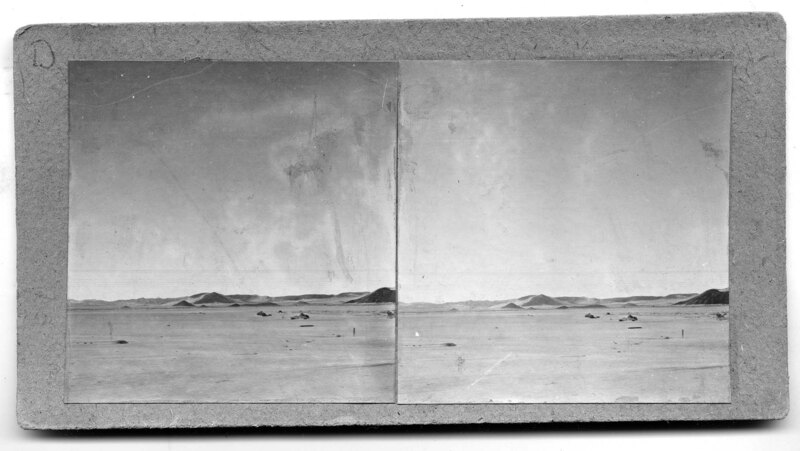
Photograph depicting an arid desert landscape. Large sand dunes cover the landscape in the background. Power Lines can be seen next to the roadway in the foreground.
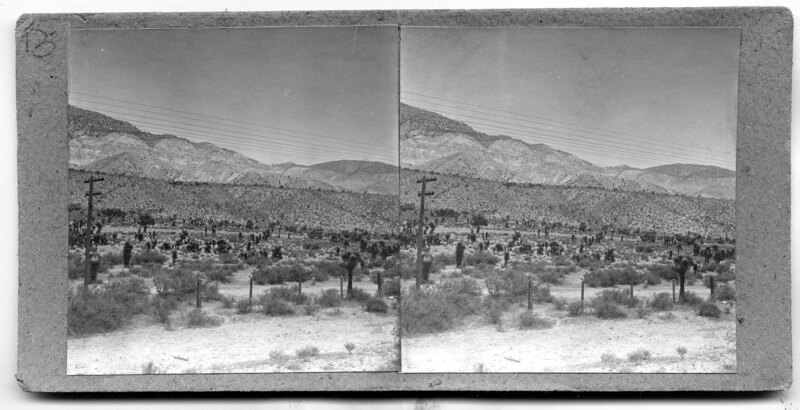
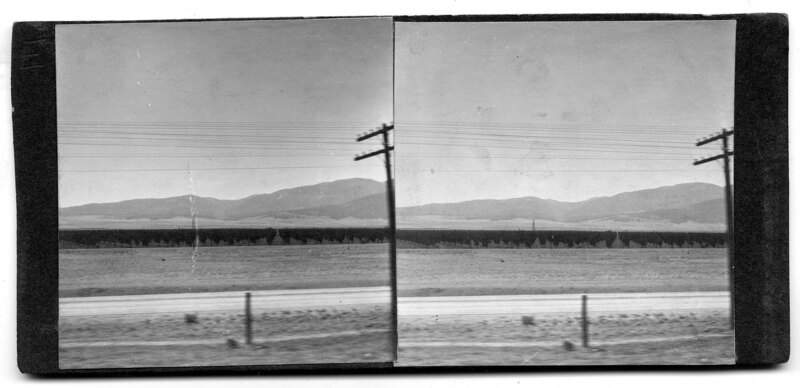
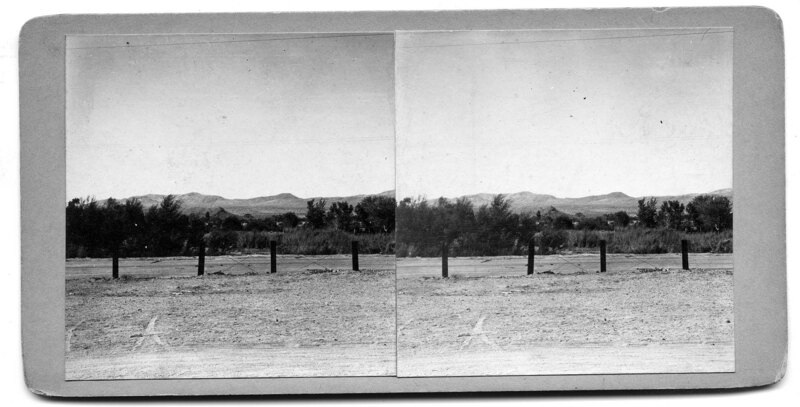
Photograph of a desert landscape in the mountains. Cacti and scrub bushes cover the landscape around the cacti. The hills and mountains in the background are also covered with cacti. Power Lines can be seen next to the roadway in the foreground.
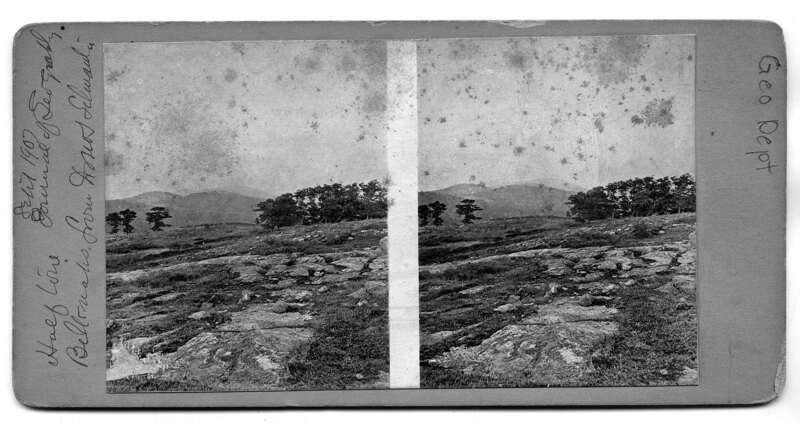
Photograph depicting a mountainscape. Large boulders and grass covered rocks cover the hill in the foreground. A stand of trees can be seen on the other side of the hill and mountains rise in the background.
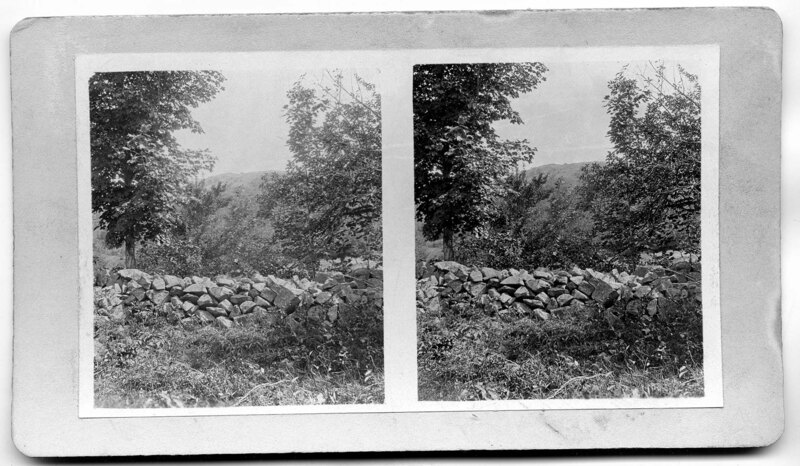
Photograph of a rock wall in the middle of dense vegetation. Mountains can be seen in the background . The landscape in the foreground in completely covered with trees and grass. The wall was likely constructed from rocks found in a close vicinity to this location.
Photograph of a mountainscape. Planted fruit trees can be seen in the foreground. Trees have been planted in rows as though they are part of a large scale farming operation. The landscape is mostly barren except from vegetation that covers the mountains in the background.
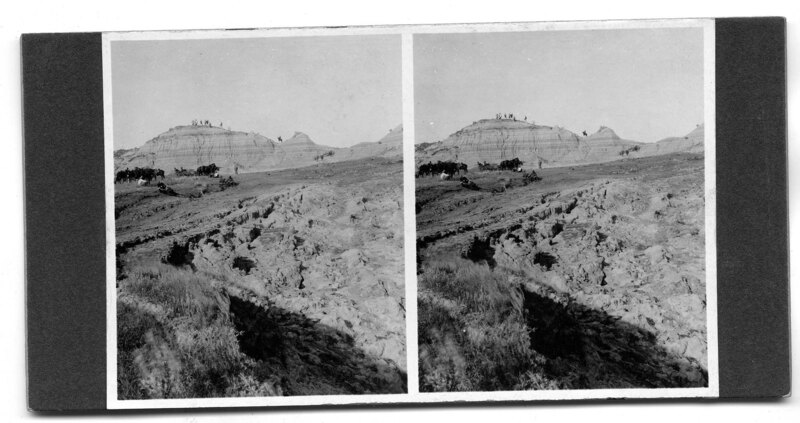
Photograph of a rocky desert landscape. Men sit by their horses and wagons in the foreground. Several men stand on top of a rocky plateau that has striation and sediment lines across its surface in the distance.
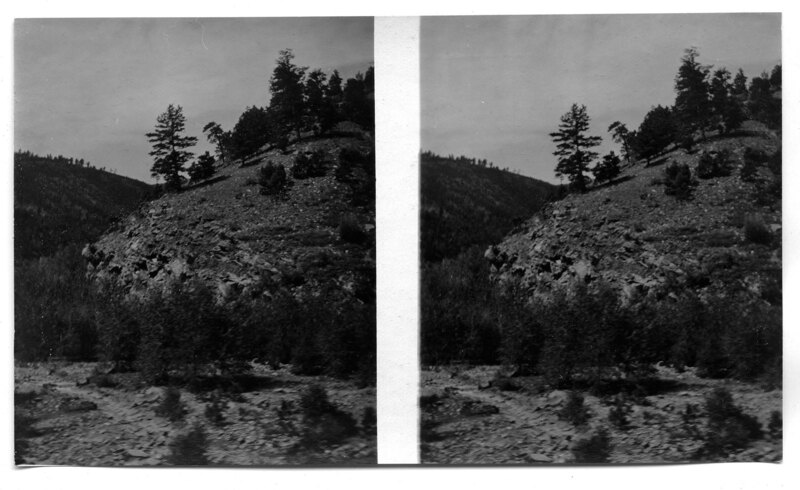
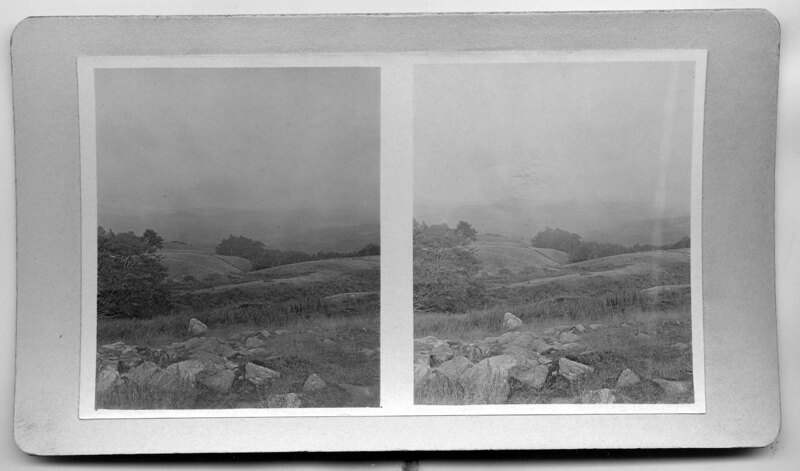
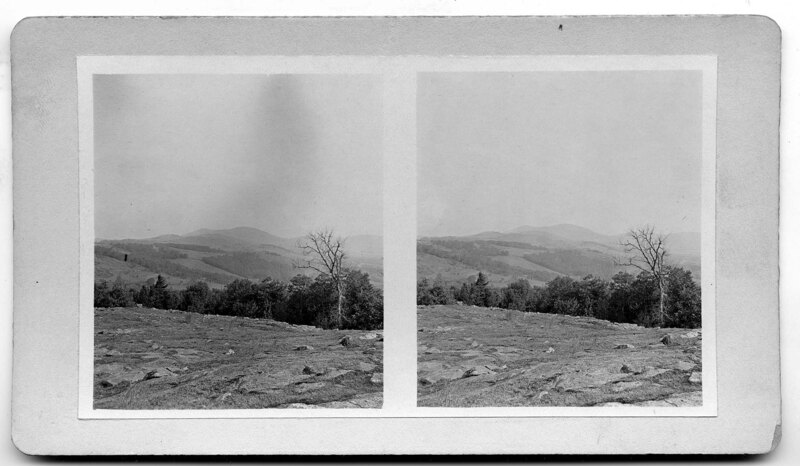
Photograph of a rocky landscape scene. Flat rock and boulders litter the hills in the foreground. A stand of trees stand on top of the hill and mountains rise in the background.
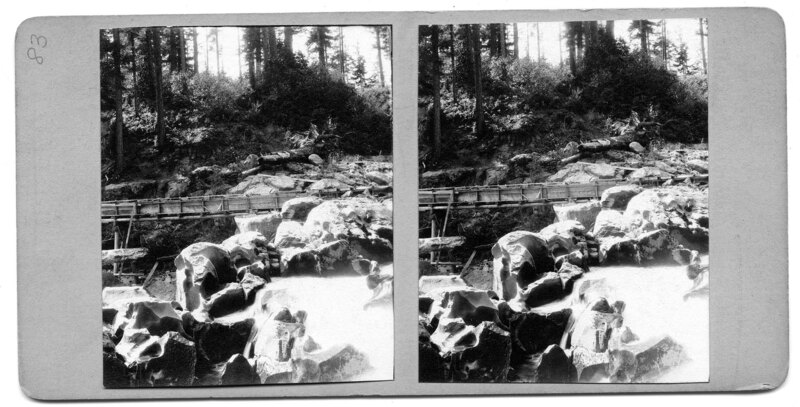
Photograph of a wooden bridge on a rocky river bed. Large boulders siting on the banks of the river can be seen. Dense vegetation that covers the hills surrounding the river can be seen in the background.
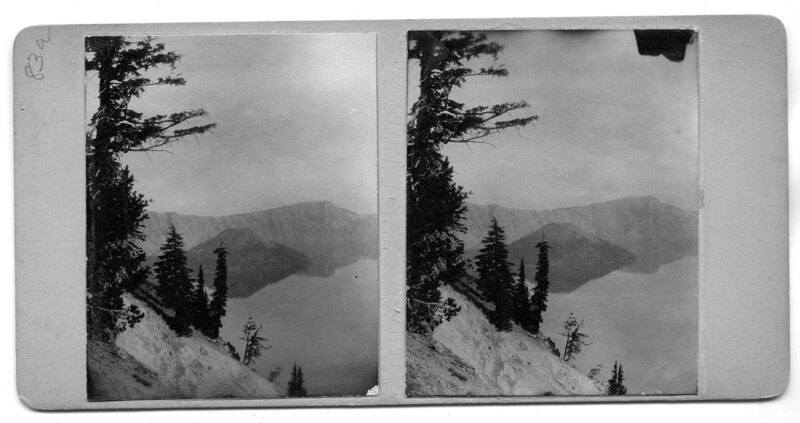
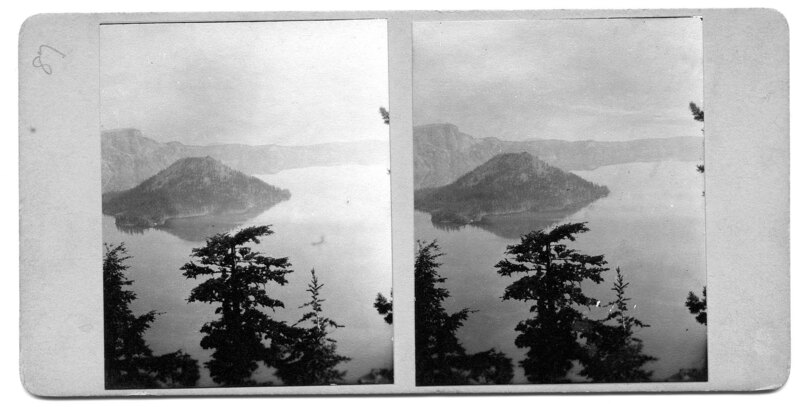
View of Wizard Island in Crater Lake National Park in Southern Oregon. Crater Lake formed after the collapse of the mountain top, leaving behind Wizard Island and steep crater walls around the entire lake. Trees cover the island and the landscape around the lake.
View of Wizard Island in Crater Lake National Park in Southern Oregon. Crater Lake formed after the collapse of the mountain top, leaving behind Wizard Island and steep crater walls around the entire lake. Trees cover the island and the landscape around the lake.
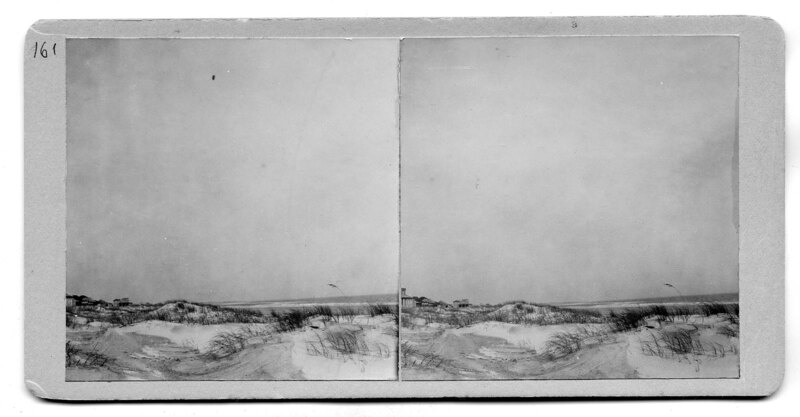
Photograph of a sandy landscape near a large lake or ocean.To the left there are several houses. The dunes are covered with dune grass. Waves crashing onto the beach can be seen.
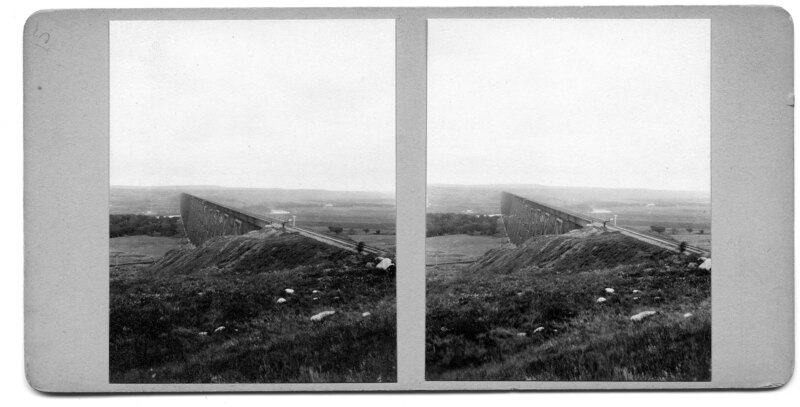
Photograph depicting an aerial view of a massive trestle bridge. The railway continues over a plateau where the trestle is constructed.The landscape is hilly in the foreground. The landscape is rocky and covered with grass. There are few trees.
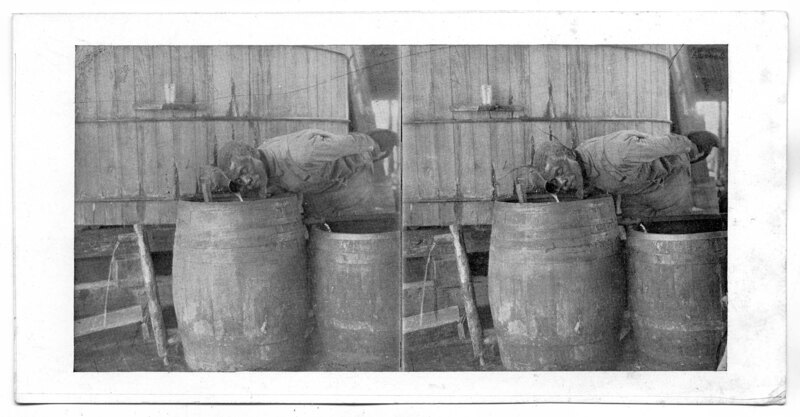
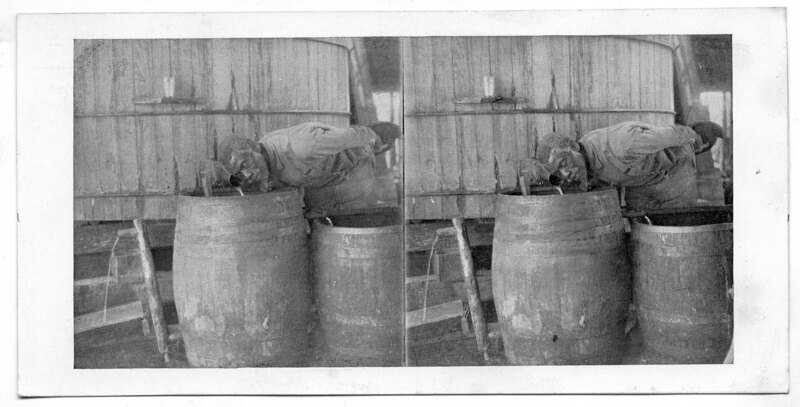
Photograph of a man listening to turpentine filling a wooden barrel below a large vat. The turpentine flows through the processing plant and eventually is filtered into wooden barrels for shipping.
Photograph of a man listening to turpentine filling a wooden barrel below a large vat. The turpentine flows through the processing plant and eventually is filtered into wooden barrels for shipping.
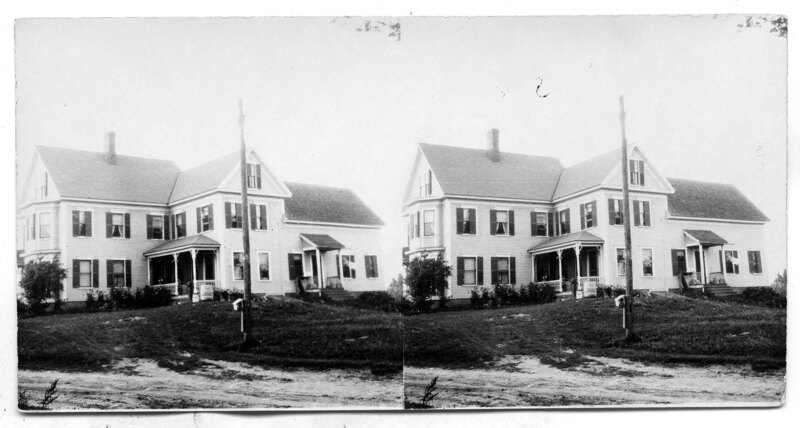
Photograph of a large upright and wing house. The structure is two-and-a-half-stories with windows. A small covered porch shields the main entrance to the house located in the wing portion in the center of the picture. A large two story bay window is on the front of the house. A two story addition has been constructed on the rear of the house and offers a second entrance with a set of wooden steps and a small porch overhang. The house sits on a small hill.
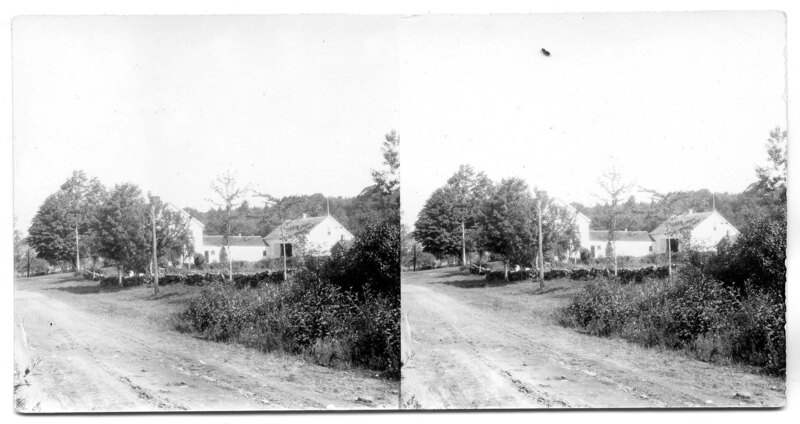
A photograph of a streetscape of a farm to the right. A rutted dirt roadway can be seen in the foreground. The farm consists of a large farmhouse and a barn on the rear of the property. The house has a single story addition on the back that connects to the corner of the barn. Trees obscure the front view of the house. Dense vegetation covers the ditch to the right of the roadway.
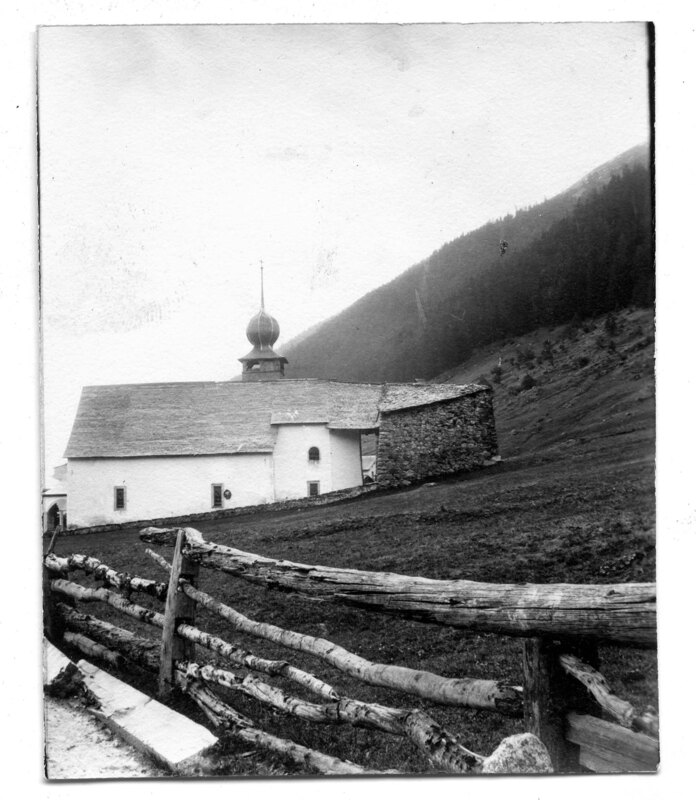
Photograph of a structure with multiple rooms and additions. The structure is constructed into the hill and has a shallow embankment. The original building is covered with stucco. The addition behind the barn is constructed of rough field stone. The roof has been extended several times to cover the entire building. A bulbous cupola stands on top of the main building. The landscape is mountainous and covered with trees and grass. A wooden fence divides the road from the property in the foreground. The picture is an unmounted stereograph image likely published by Mark Jefferson.
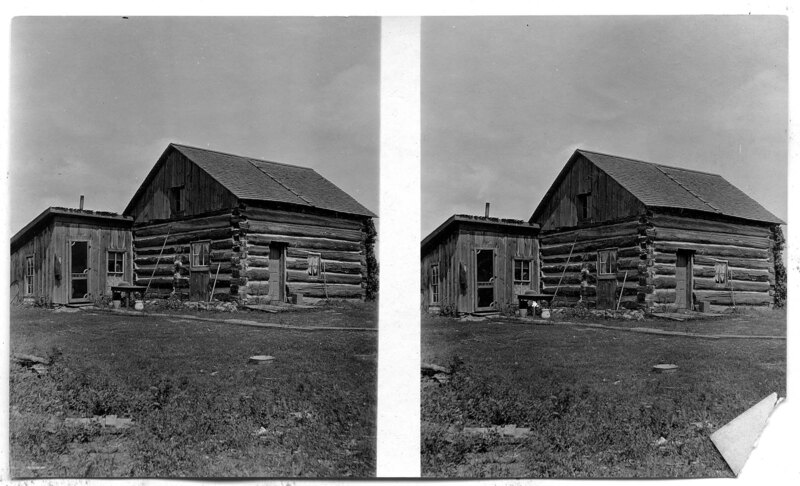
Photograph of a single story log cabin house. There is a loft below the roof. A wooden step ladder is constructed on the roof for easier access to fix shingles or to patch the roof when needed. A small shed has been constructed next to the house and has a screen door over the main entrance. Grass and weeds cover the yard in front of the house.
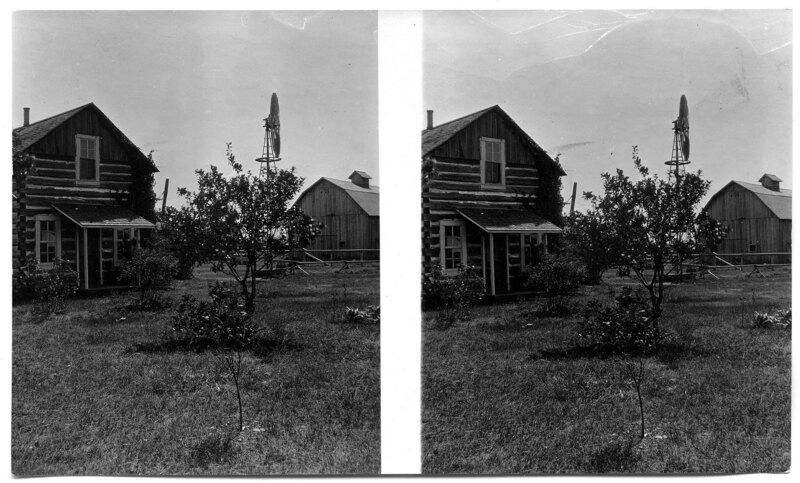
Photograph of a landscape of a farmhouse and a gambrel roof barn. The log cabin house is a story-and-a-half with chinking between the timbers. A windmill stands in the barnyard and fence surrounds a portion of pasture around the barn for the animals. Grass covers the ground and several bushes surround the house.
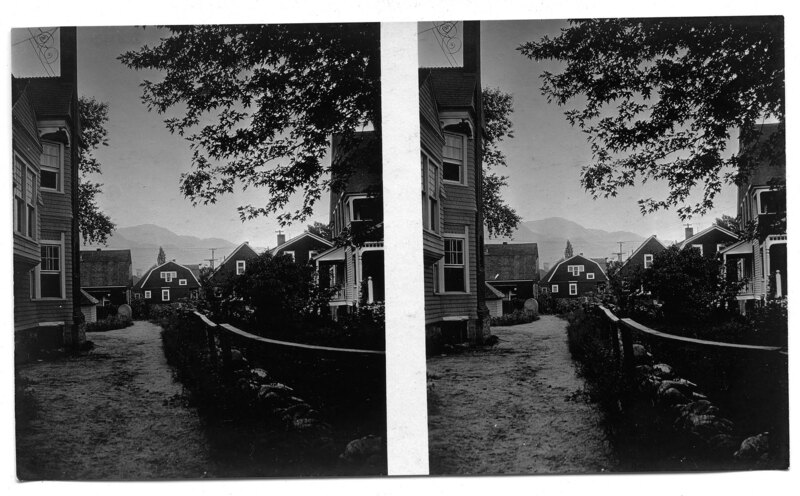
Photograph a muddy alley in a mountain town. Houses of differing architecture styles surround the rutted street. A wooden fence divides the property in the foreground. Dense vegetation obscures the view of the other houses in the background. Mountains rise in the background.