

Collective Memory of Women Journalists (CMWJ)
- Title
- en Collective Memory of Women Journalists (CMWJ)
- Performer
- Women journalists
- Interviewer
- Dr. You Li
- Description
-
en
A collection of 33 oral histories with women journalists who reported the COVID-19 pandemic from 25 countries and regions, including Afghanistan, Australia, Austria, Cambodia, China, France, Germany, Haiti, India, Italy, Kenya, Lebanon, Nigeria, Pakistan, Philippines, South Korea, Sri Lanka, Sweden, Switzerland, Taipei, Tunisia, United Kingdom, United States, Vietnam, and West Africa.
Interviews were conducted by Dr. You Li from May to September 2023. Each interview ranged from 38 to 100 minutes, with an average length of about an hour. The conversations covered issues including but not limited to work-life balance, work relationships and safety, gender-specific challenges, contributions, and reflections.
All interviews were recorded, transcribed, and reviewed by the interviewees. The transcript ranges from 12 to 18 pages per interview and approximately 500 pages total. For more information and inquiries, please contact Dr. You Li: yli23@emich.edu. (https://www.emich.edu/cmta/faculty/y-li.php). - Exact Date
- May 2023-September 2023
- Subject
- Journalism, women in journalism, COVID-19, pandemic, sexism, racism, freelance journalism, censorship, mental health, scientific reporting, gender inequality, investigative journalism, healthcare, lockdown, discrimination, filmmaking, photography, public relations, job insecurity, news reporting
- Publisher
- en Eastern Michigan University Archives
- Collection Location
- DigitalCommons
- Rights
- Copyright to the audio resource and its transcript, headshot, and stories is held by the content creator, author, artist, or other entity, and is provided here for educational purposes only. It may not be reproduced or distributed in any other format without written permission of the copyright owner, Eastern Michigan University Archives (lib_archives@emich.edu).
- Language
- English
- References
- Coalition for Women in Journalism
Items
-
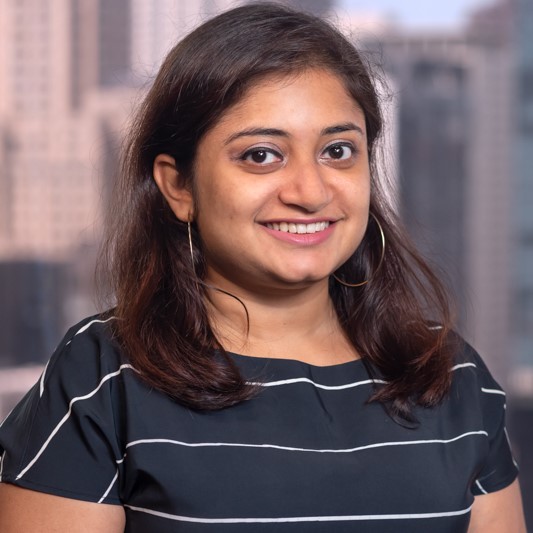 Ankita M. Kumar, Oral History Interview, 2023Ankita M. Kumar is a journalist, analyst, and product manager. During COVID, she covered several high-profile investigative stories on the pandemic in India for Deutsche Welle, Germany's international broadcaster. In 2020, she received a grant from the National Geographic Society's COVID-19 emergency fund to complete a written report on equal access to health care for women in the current Gurugram's urban slums. Kumar was relocated to the United States in 2021, and graduated with a master's degree from Northwestern University, specializing in media innovation and content strategy. Kumar published several investigative stories that focused on underrepresented groups during the pandemic, including women in Gurugram's slums, cremation urns workers, migrant workers, and diamond polishers. In this interview, she revealed the unique challenges from family, community, and sources she endured to practice journalism as a woman in India. A journalist and a social worker, Kumar advised spending time building a trustworthy relationship with sources and maintaining objectivity in one's journalistic pursuit. She reviewed the difficulties of covering COVID at its peak while enduring the loss of a family member to the virus. The personal loss put her in a unique position to tell other people's suffering with compassion and empathy. She left future generations with lessons of loss and gains.
 -
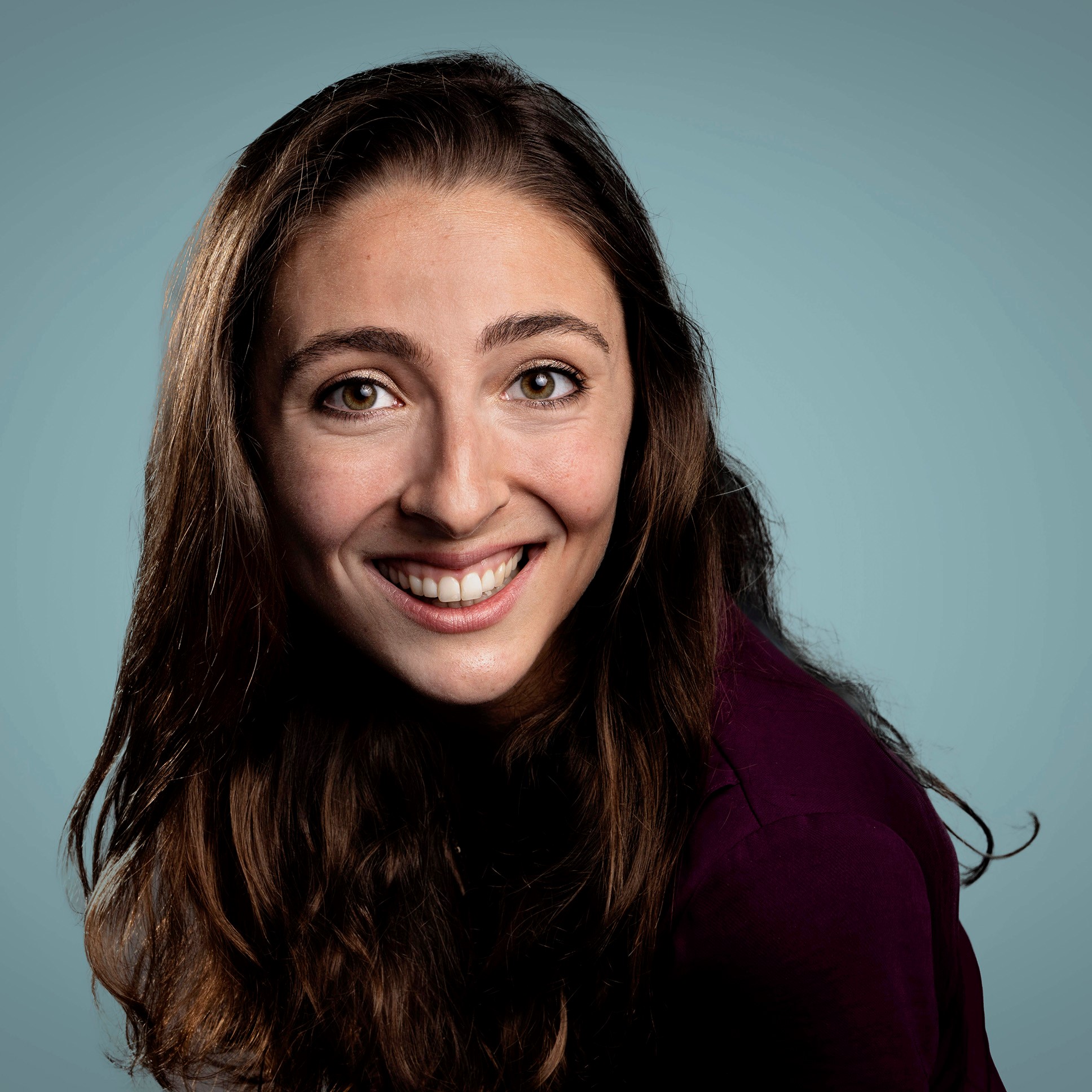 Amanda Morris, Oral History Interview, 2023Amanda Morris is a staff reporter at the Washington Post in the United States. Before joining the Post in August 2022, Morris was an inaugural disability reporting fellow for The New York Times. Previously, she covered science, politics, and national news for outlets, including The Arizona Republic, The Associated Press, and National Public Radio (NPR). In this interview Morris shared her experiences covering the early months of the pandemic for The Arizona Republic. She recalled challenges such as performing field work as a visual journalist, maintaining work and work-life balance, mental health, and combating public distrust in science reporting and online harassment. She recommended practical tips for organizations and the general public to recognize women journalists' challenges and contributions in reporting the pandemic.