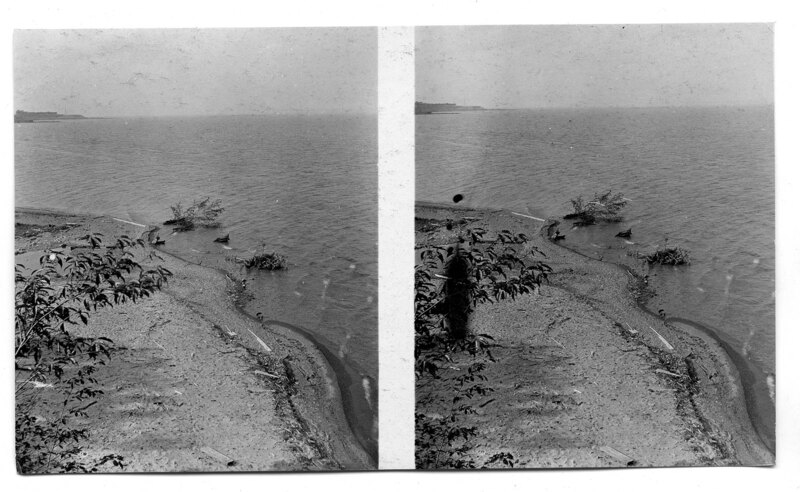
Photograph of a sandy bank on a lake. Tree debris has washed up on the shore. A bush can be seen in the foreground. Steep lake banks can be seen in the background.
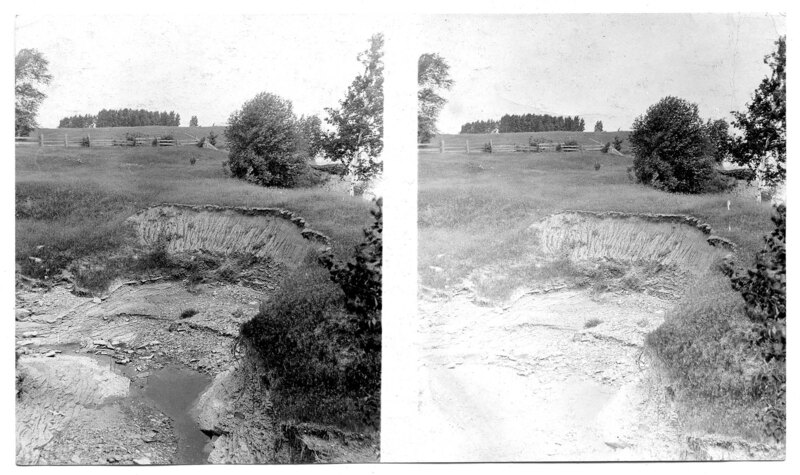
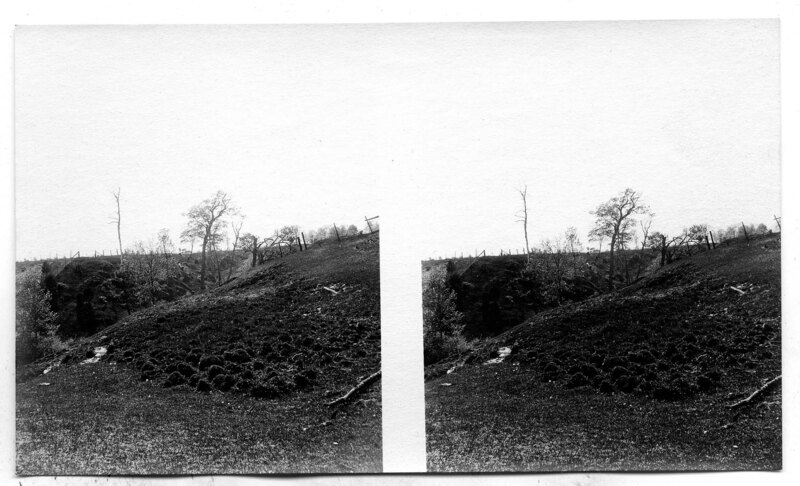
Photograph of an eroded bank on a small stream. Piled shale chips and rocks can be seen on the bank of the stream. Grass covers the field in the background and trees dot the landscape. A wooden fence divides the properties and a stand of trees can be seen in the background. It appears to have been very windy on the day this picture was taken based on the effect of the trees.
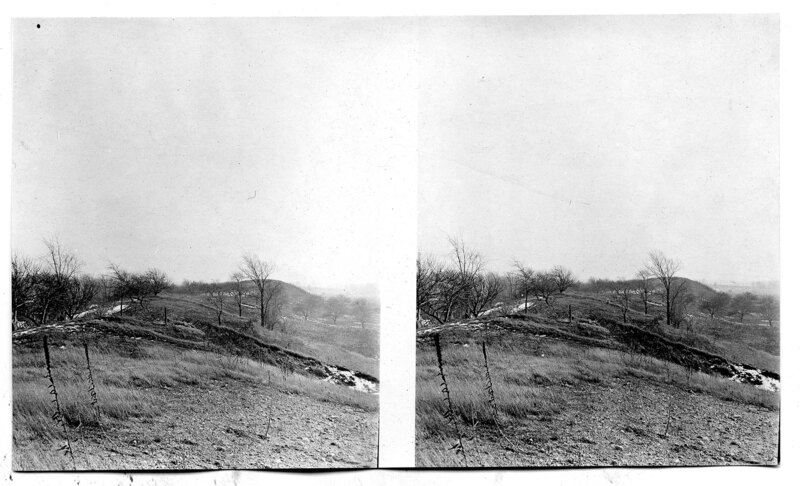
Photograph of snow covered sand dunes. Trees and dune grass grow on top of the small dunes. The trees are being affected by the wind from the lake to the right.
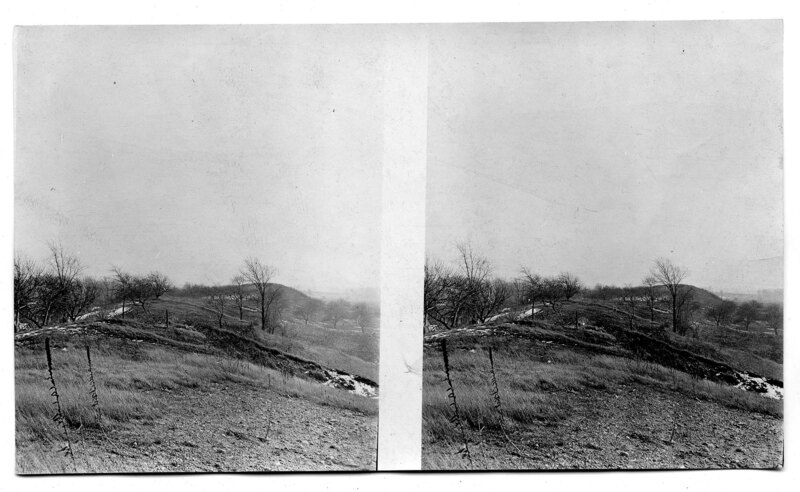
Photograph of snow covered sand dunes. Trees and dune grass grow on top of the small dunes. The trees are being affected by the wind from the lake to the right.
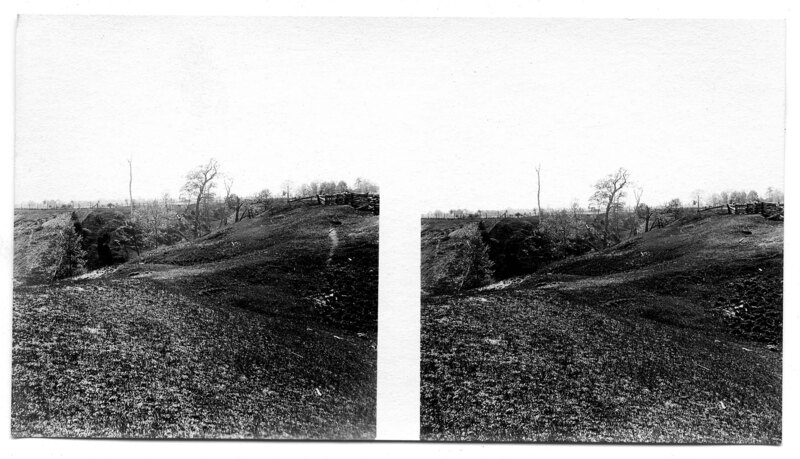
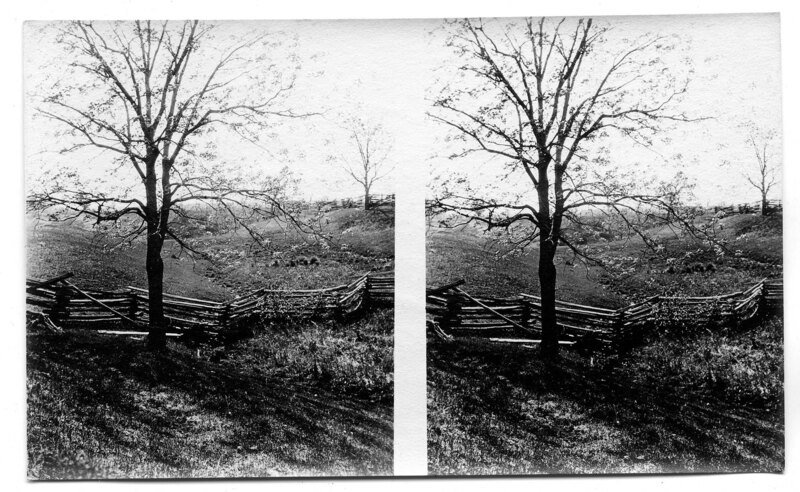
Photograph of hilly enbankments. Trees grow up from the bottom of a small valley between the hills. A stream likely flowed through the area based on the topography of the landscape. A wooden fence can be seen at the top of the embankment.
Photograph of hilly enbankments. Trees grow up from the bottom of a small valley between the hills. A stream likely flowed through the area based on the topography of the landscape. A wooden fence can be seen at the top of the embankment.
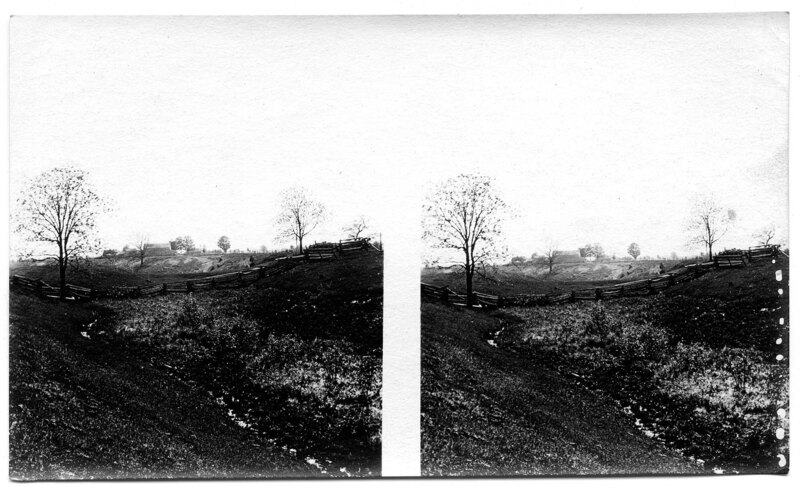
Photograph of a rolling landscape. A stream likely used to flow through this area based on the layout of the landscape. Grass now covers river bed and a wooden fence divides the property in half. A small tree growing at the base of the embankment with small leaves.
Photograph of a rolling landscape. Grass covers a now dried river bed and a wooden fence divides the property in half. A farm can be seen in the background.
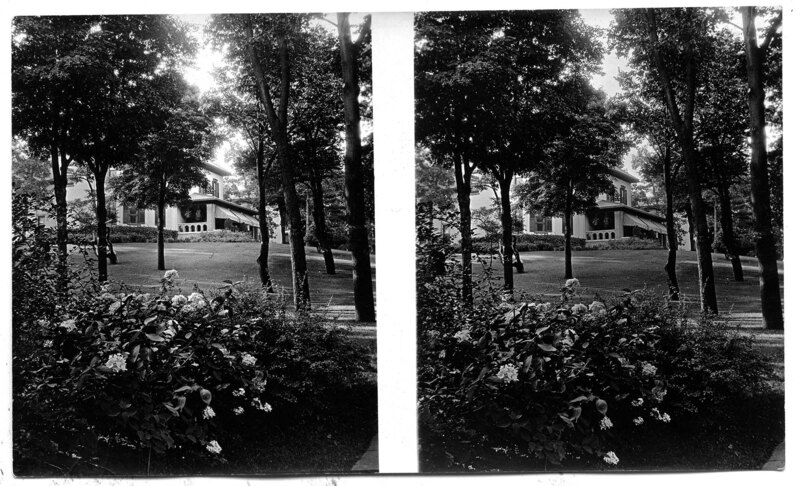
Photograph of a large Italianate house on a corner lot. The house has a large brick porch covered with a tile roof and canvas sun screens. An extending cornice with brackets can be seen under the roof of the house. The house has a large bay extends off the side facade. Young trees grow in the yard closer to the road. A flowering bush can be seen in the foreground. A second house sits on the same street, behind the Italianate house and can be seen in the background.
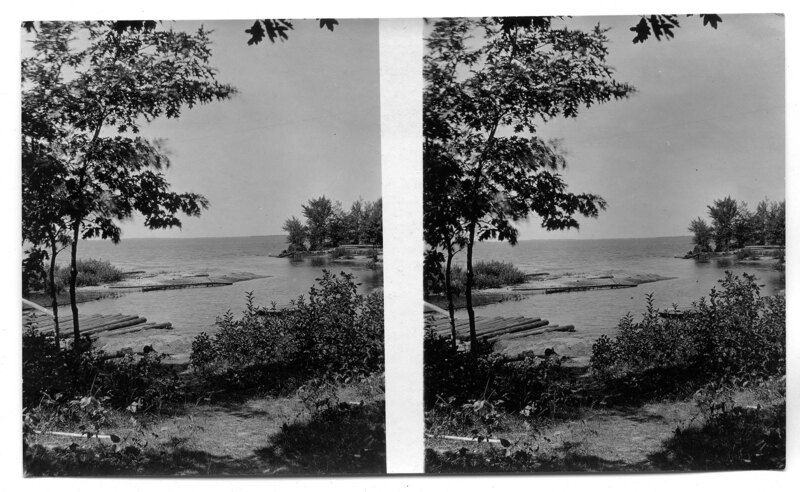
Photograph of a small lake inlet. A wooden bridge connecting the main portion of the lake bank to the island can be seen in the foreground. Vegetation covers the main bank and the sandy island.
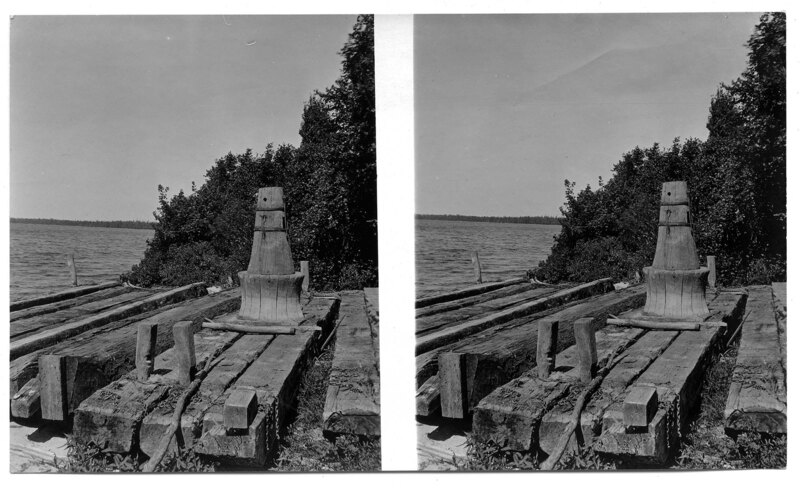
Photograph of a boat launch on the banks of a lake. Depicted is are large timbers on the ground used to hoist a boat out of the water onto the bank. A wooden spool on top of the timbers acts as a pulley system to frag the boat onto the shore. Dense vegetation covers the banks of the lake.
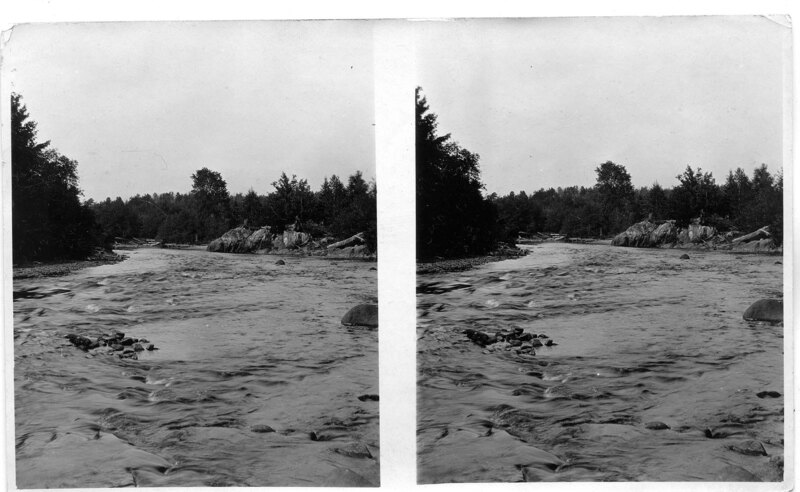
Photograph of a river. The strong current of the river creates rapids around the boulders sticking out of the river bed. Dense vegetation is seen on both sides of the river bank. There is a small pebble beach on the bank of the river to the left. Large boulders make up the opposite bank and they have been deeply striated from years of erosion.
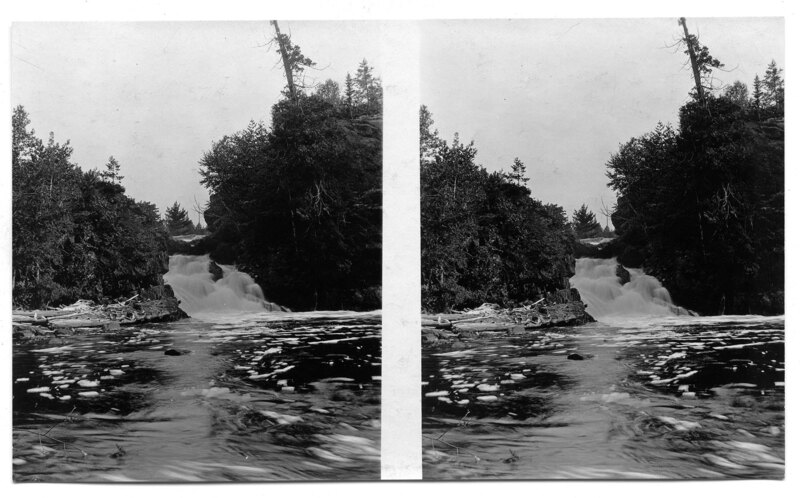
Photograph of a river. Rapids crash over large boulders can be seen in the middle of the river bed. Chunks of ice float on the surface of the water in a whirlpool at the base of the falls. Several tree trunks are stacked on the side of the river to the left. Dense vegetation covers the banks of the waterfall and trees can be seen in the background, on the banks of the upper portion of the river.
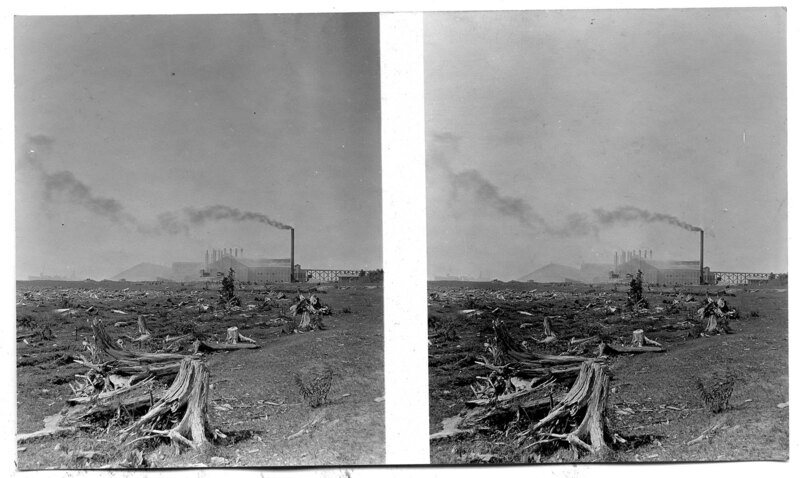
Photograph of an industrial plant. The landscape in the foreground is flat and covered with grass. Tree stumps are scattered through the field. There are a few bushes growing up around the stumps. A large pile of cinders can be seen to the left of the main building. A large smoke stack releases steam and smoke into the air above the plant.
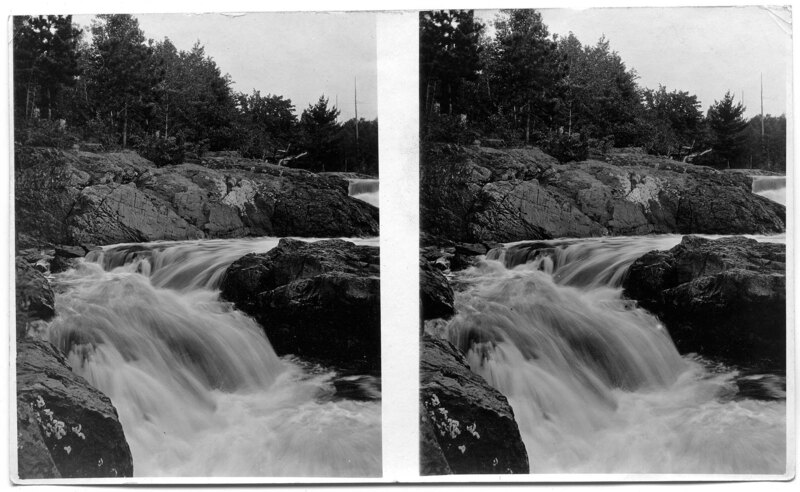
Photograph depicting a river landscape. The rapids of the river crash over the side of large boulders that stick up from the river bed. The boulders are striated and cracked from years of erosion. The water from the river crashing over them. Trees cover the rocky landscape in the background on the raised bank of the river and several pools of water have formed in the middle of the river as the water makes its way down the landscape.
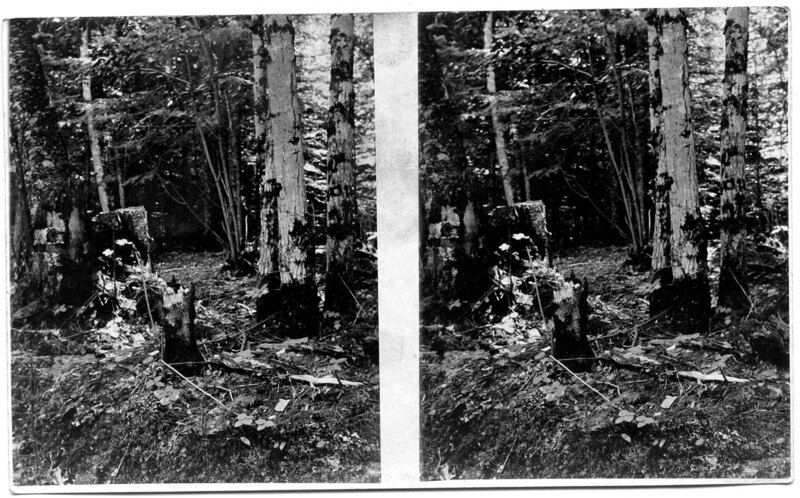
Photograph of a forest landscape. Several stumps can be seen in the foreground. Dense underbrush covers most of the ground around the trees. The trees are relatively small, suggesting that this is a new growth forest.
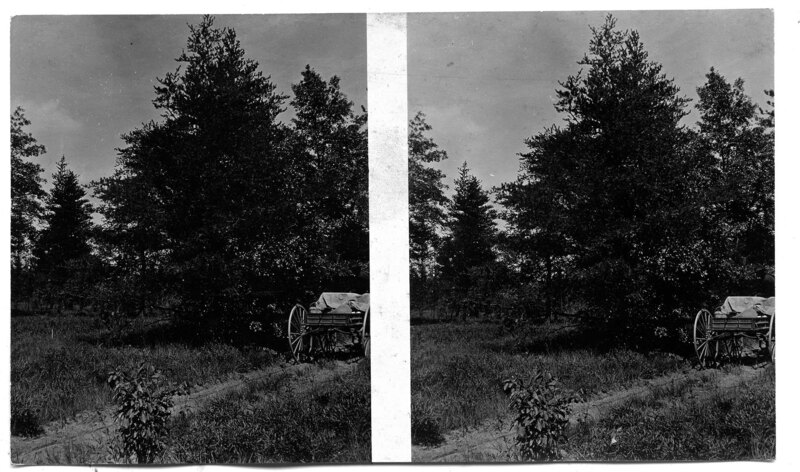
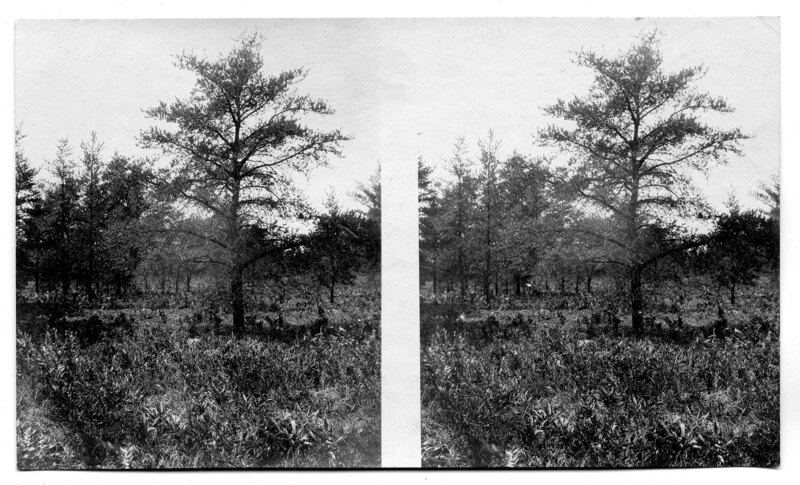
Photograph of a densely-vegetated landscape. Thick underbrush covers the ground. Trees dot the landscape. A stand of trees can be seen in the background.
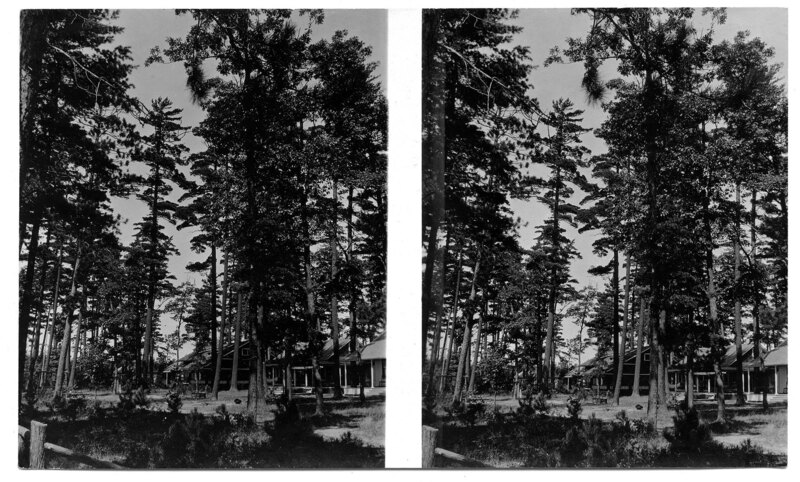
Photograph of a forest camp. Several houses are constructed in the shade of the tall pines to the right. Smaller trees grow in the foreground. A wooden fence can be seen in the foreground. A bench sits at the base of one of the pines.
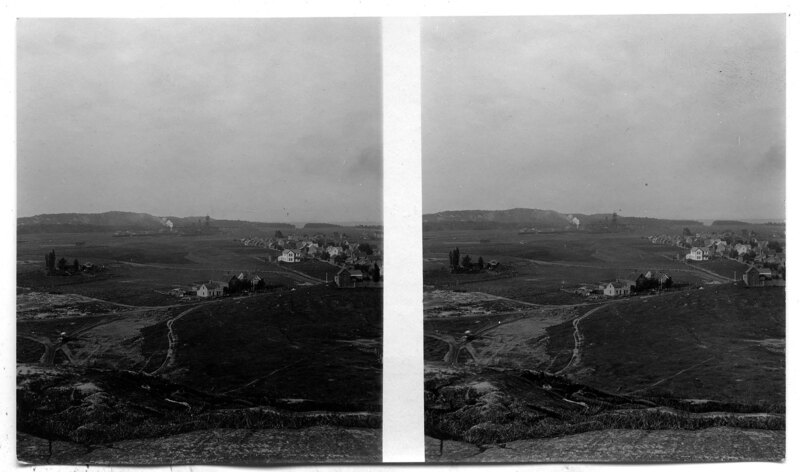
Photograph of a hill view of a small town. The landscape is fairly flat with rolling hills throughout. Several farms can be seen at the base of the hill in the foreground. A small town can be seen in the valley to the right. Dirt roadways cut through the landscape likely for agricultural purposes. Hills rise in the background.
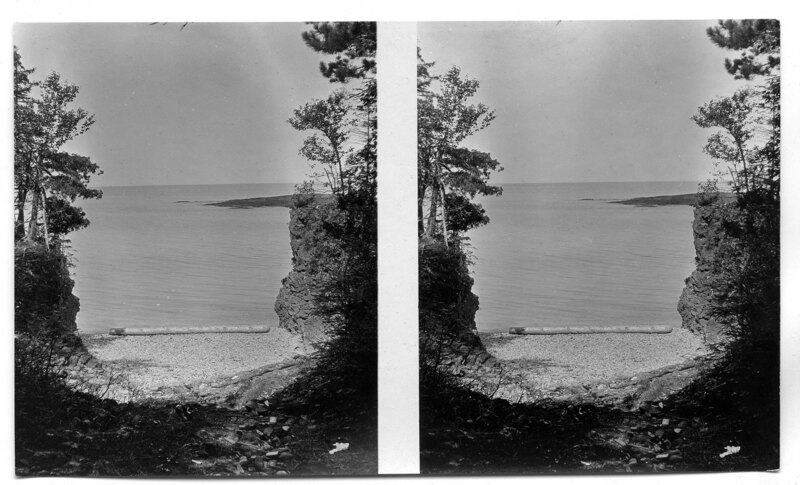
Photograph of a rocky beach next to a lake. A large tree trunk has washed up on the pebble beach in the foreground. There are several other timbers further up on the beach in the shadows of the trees on top of the rock formations surrounding the beach. Several small rock islands stick out of the water a couple hundred feet from the shore.
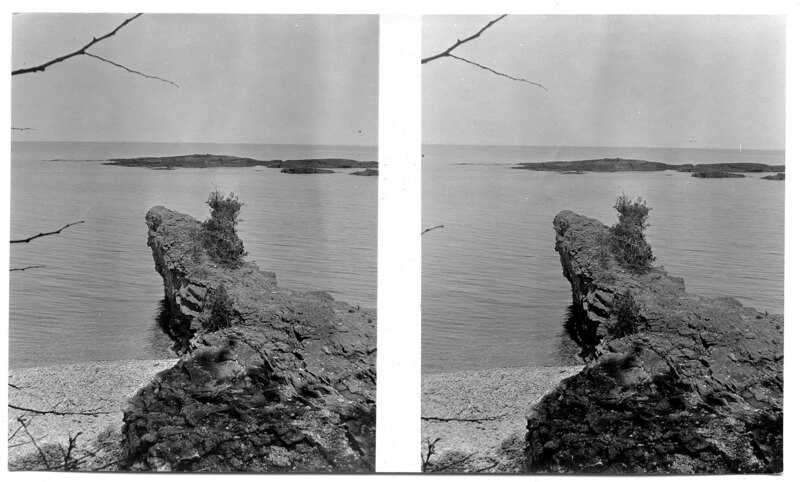
Photograph of a rocky shoreline. A shale rock formation juts out into the water of the lake. There are small pebbles from the beach around the rock formation. Small bushes grow out of the rock and tree branches can be seen in the frame of the camera.
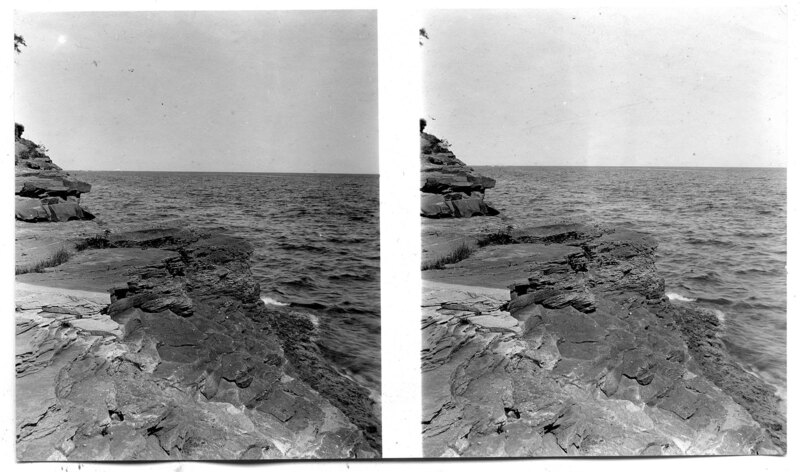
Photograph of a rocky shoreline. The rock appears to be mostly shale. The water hits the base of the rock formation. A large pile of rocks can be seen to the left.
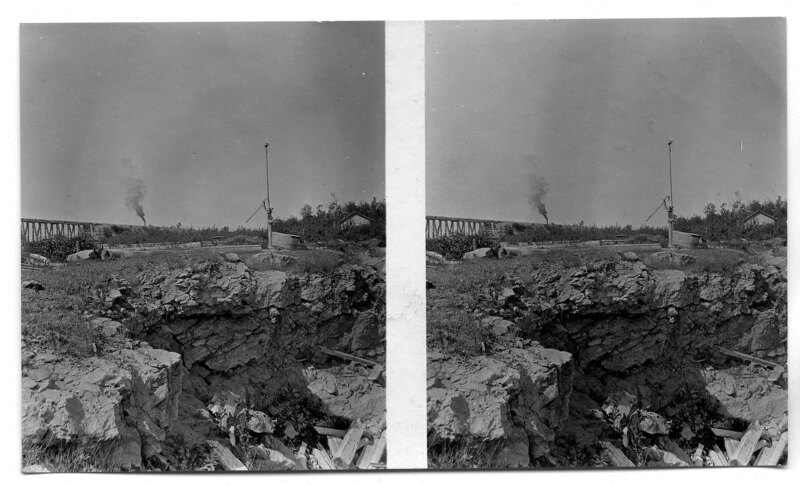
Photograph of a rocky landscape. A trestle bridge can be seen in the background. A rocky bank can be seen in the foreground. A large pile of timber is in the hole formed from the eroding bank. A water pump and wooden barrel sit on top of the bank and a house can be seen to the right. A steam engine releases steam near the rail line and cut timber is stacked on the hill in the background. Grass and trees cover the landscape.
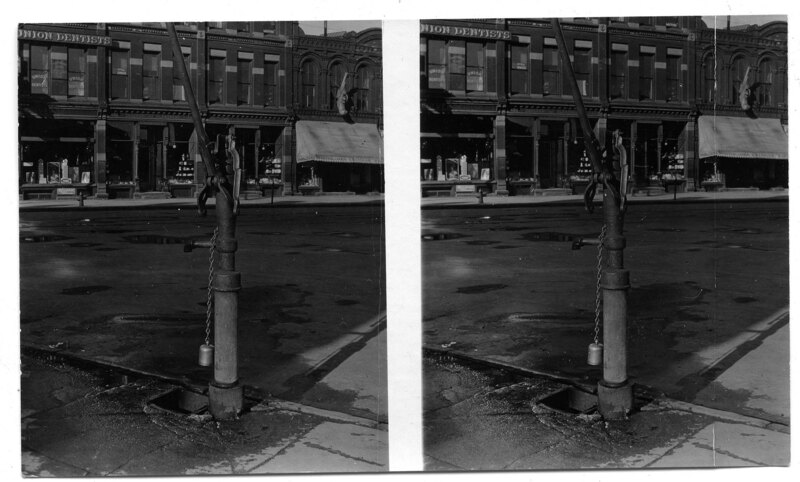
Photograph of a water pump on a sidewalk. The pump uses a metal arm to draw water from the ground when the water is primed. Several storefronts can be seen across the street and have names like, "Union Dentists," and, "Grocery and Glassware." A third business is named, "V. Kindlem Sporting Goods," and a model gun is strung up on the front of the building, over the main entrance to the shop.
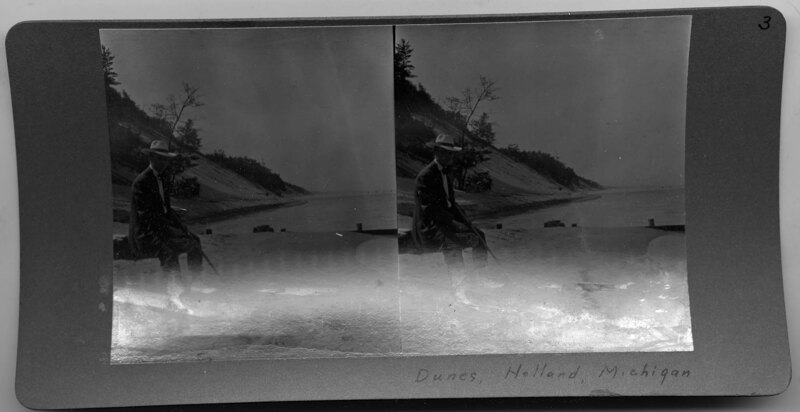
Photograph of a man in Holland, Michigan. The man sits on a tree stump. Large sand dunes rise up from the lake in the background. A wooden pier holds back a portion of the dune where the man is sitting and trees help to stabilize the dune in the background.
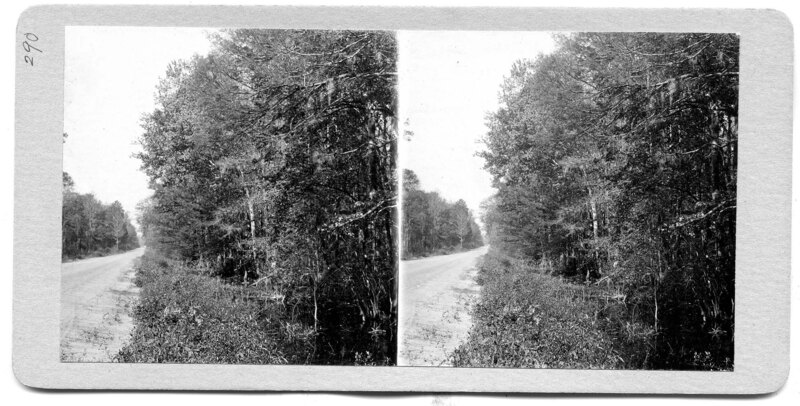
Photograph of a dirt roadway in a dense forest located in the Waltersboro area leading to Savannah. Dense vegetation grows on the side of the road and reaches right up to the roadway. Moss hangs from the trees in the foreground.
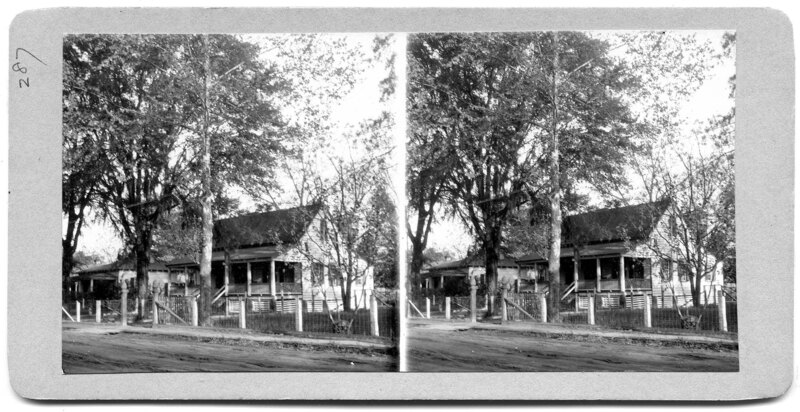
Photograph of Tidewater south houses in Waltersboro, South Carolina. The house in the foreground is a story-and-a-half structure with a covered porch that extends across the front facade. The house is raised to prevent flooding . A wire fence surrounds the property on a rutted dirt road way can be seen in the foreground. Large trees surround the houses and offer shade during the summer.
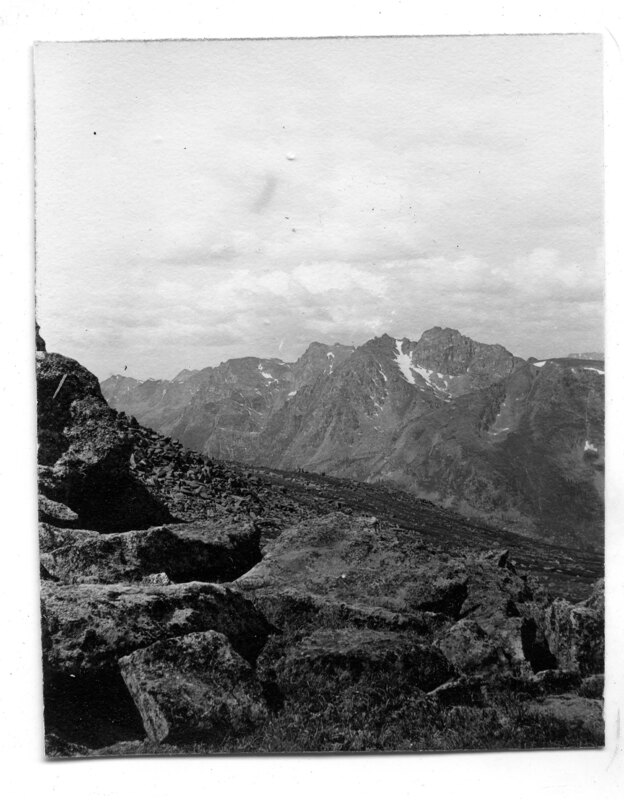
Photograph of a mountain landscape. The large boulders in the foreground are covered in moss and lichen near grass. The rocky peaks in the background still have snow on them at the tops.
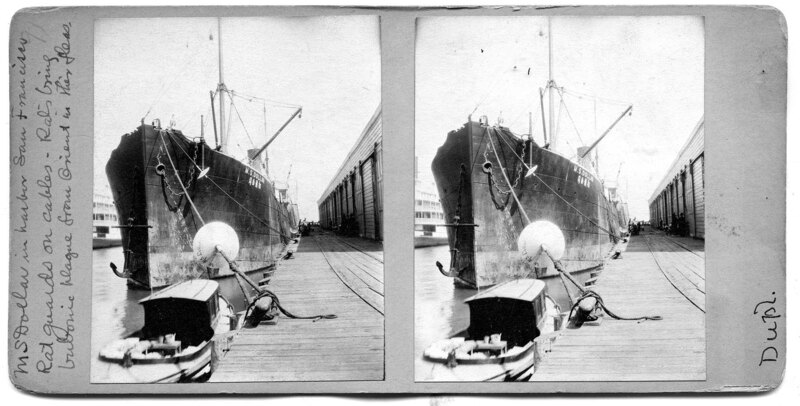
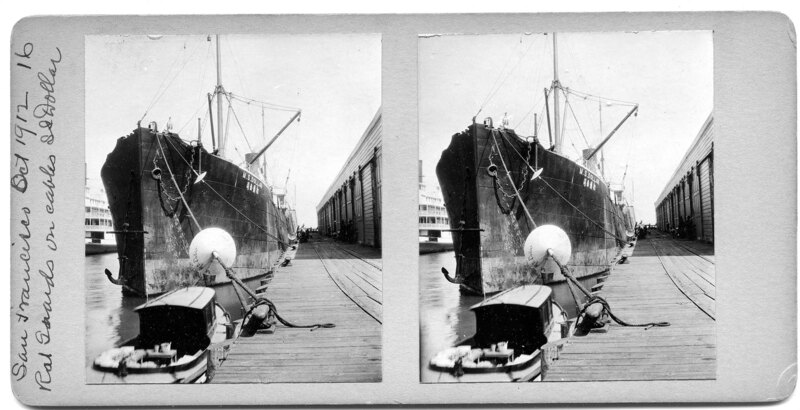
Photograph of a boat indentifed as the S.S. Dollar steam ship docked in San Francisco. It is noted that the ropes that tie the ship to the dock have rat guards. A small tug boat can be seen in the foreground a multi-deck paddle boat can be seen to the left. A warehouse building is constructed on the docks to the right.
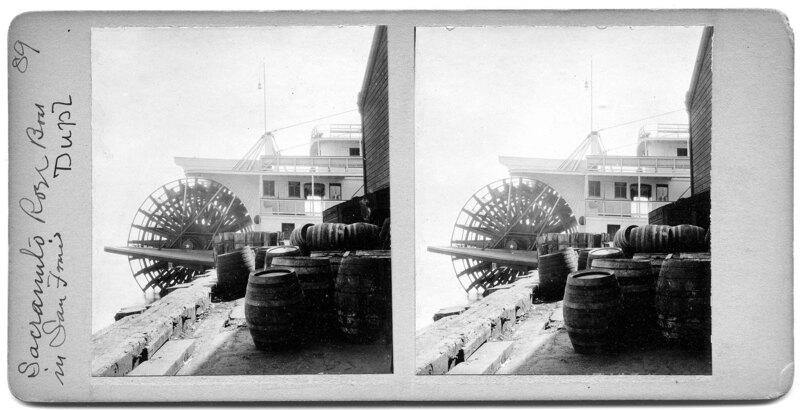
Photograph of a Sacramento row boat in San Francisco, California. The large steam powered paddle on the back pushes the boat through the water. The ship appears to be several decks tall. Large pile of wooden barrels can be seen on the docks in the foreground.
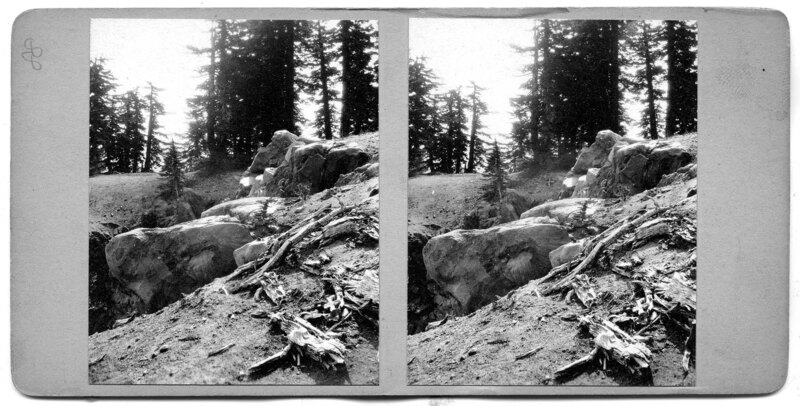
Photograph of a rocky landscape. Large boulders are piled in a crevice in the hillside near tree debris. Several trees grow on top of the hill in the background.
Photograph of the S.S. Dollar steam ship docked in San Francisco, 1912. It is noted that the ropes that tie the ship to the dock have rat guards . A small tug boat can be seen in the foreground. A multi-deck paddle boat can be seen to the left. A warehouse building is constructed on the docks to the right.
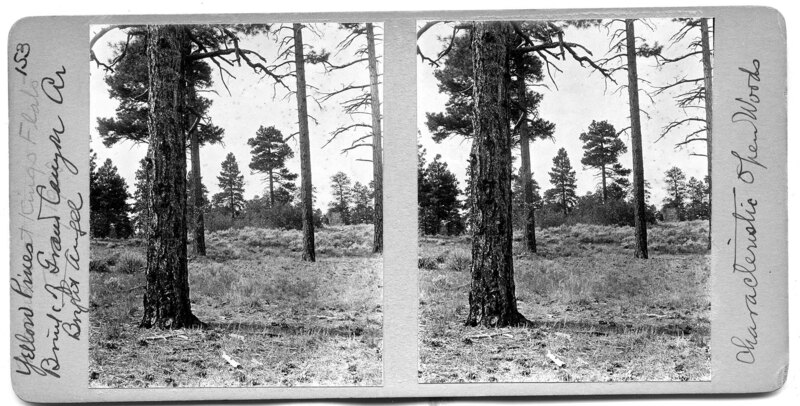
Photograph of the landscape near Grand Canyon in Arizona. A large stand of yellow pines near grasses and desert cacti can be seen in the foreground. It is noted this is characteristic woods.
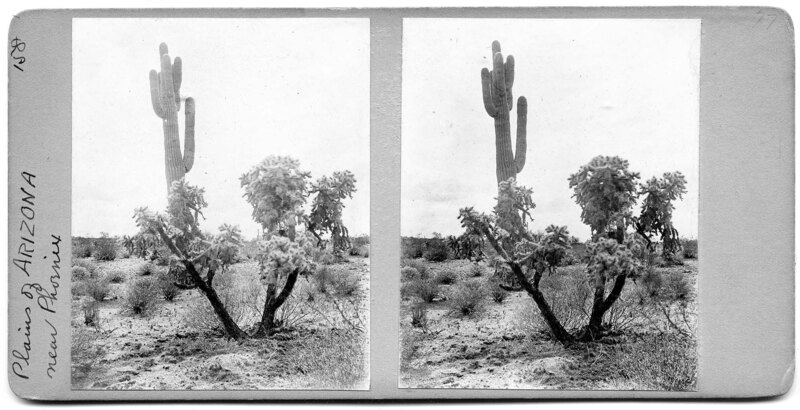
Photograph of a desert landscape located in Arizona, near Phoenix. Several species of cacti can be seen in the picture including saguaro and cholla. Sandy with low-growing vegetation aside from the two large cacti plants can be seen in the foreground.
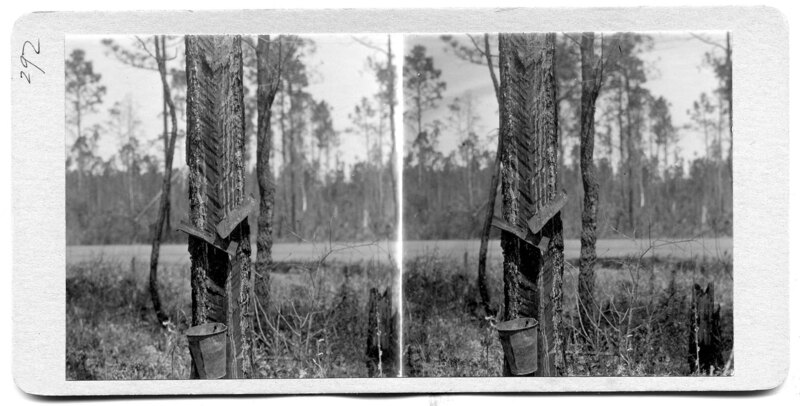
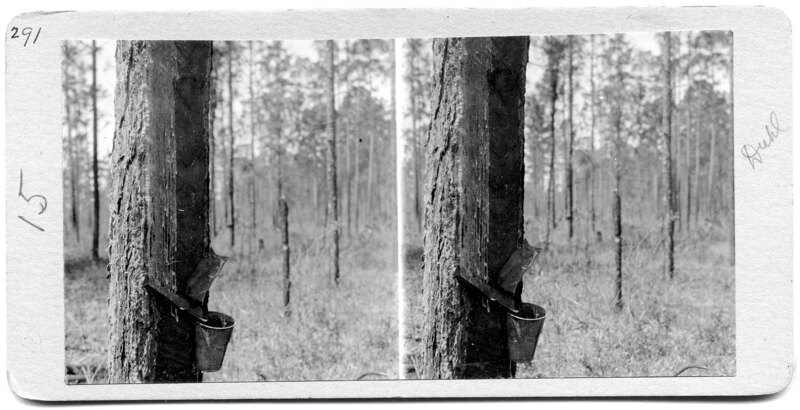
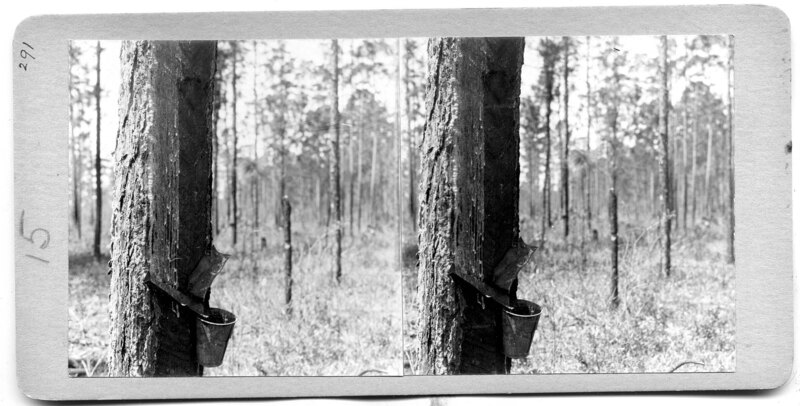
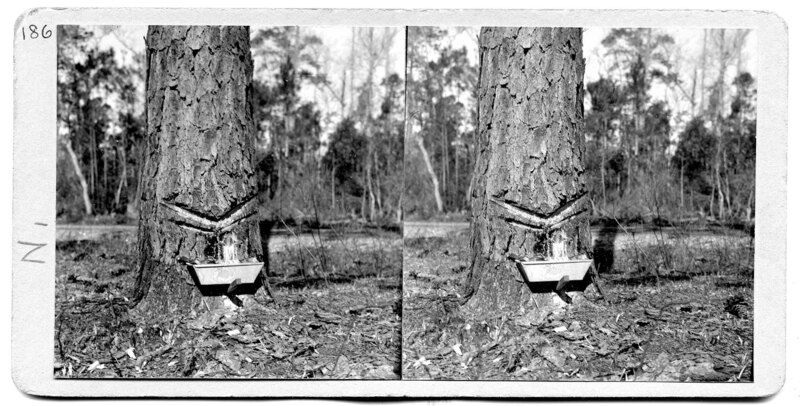
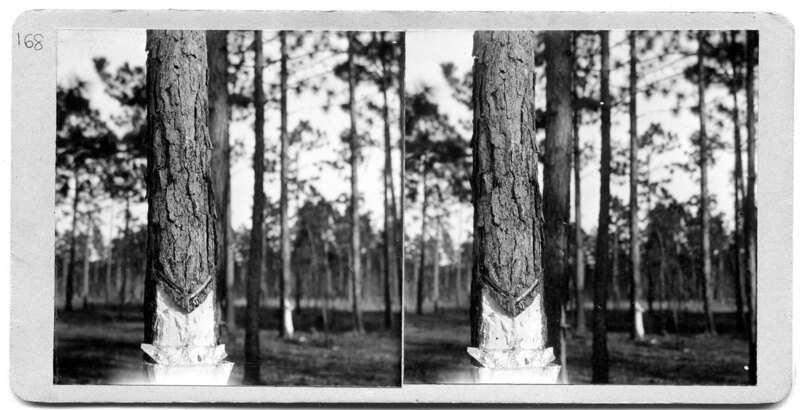
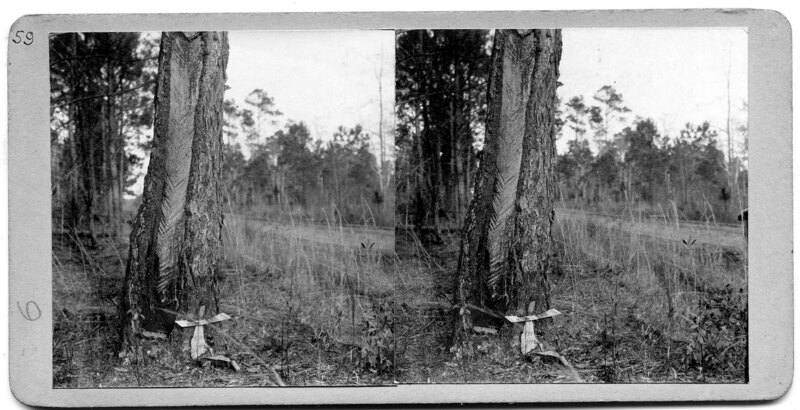
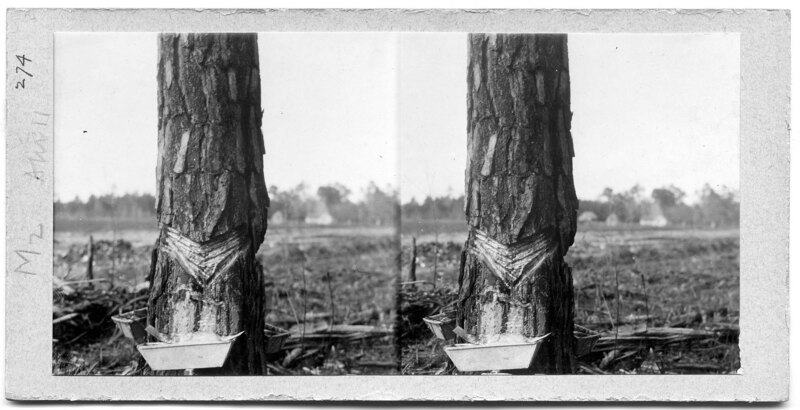
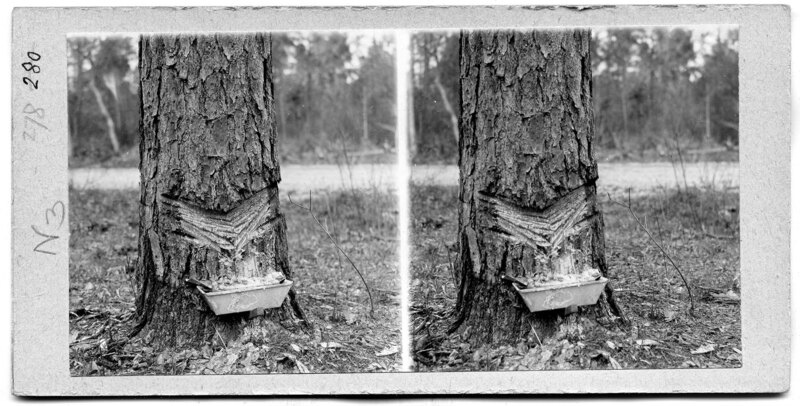
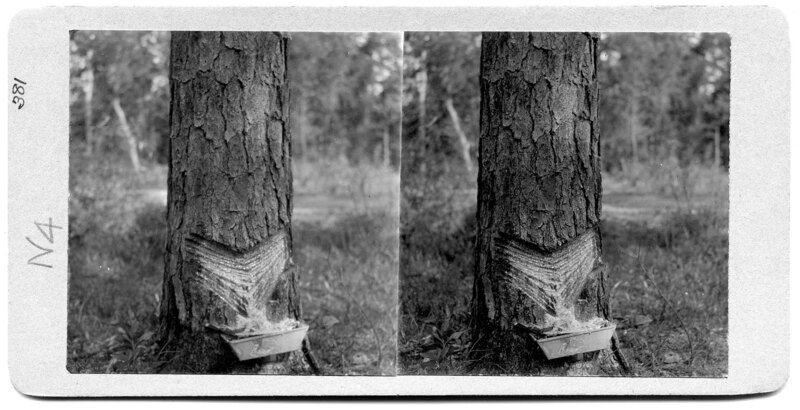
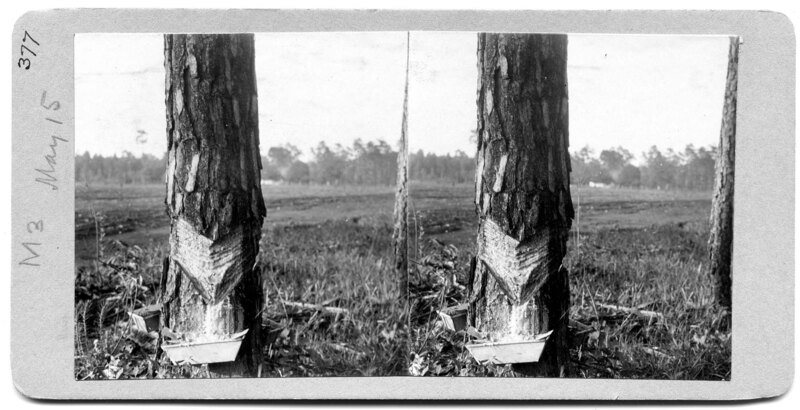
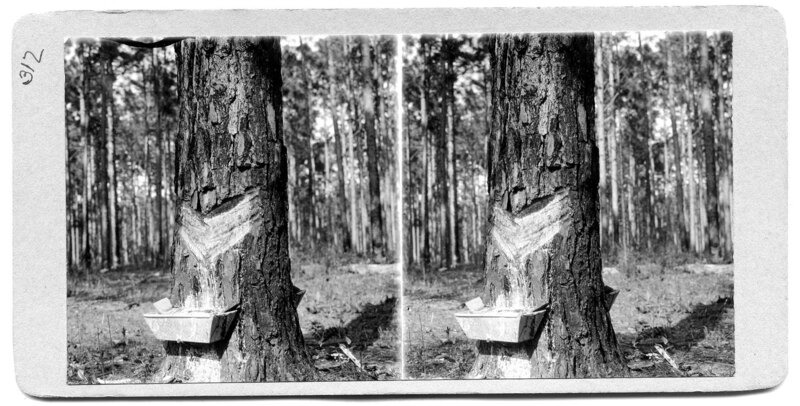
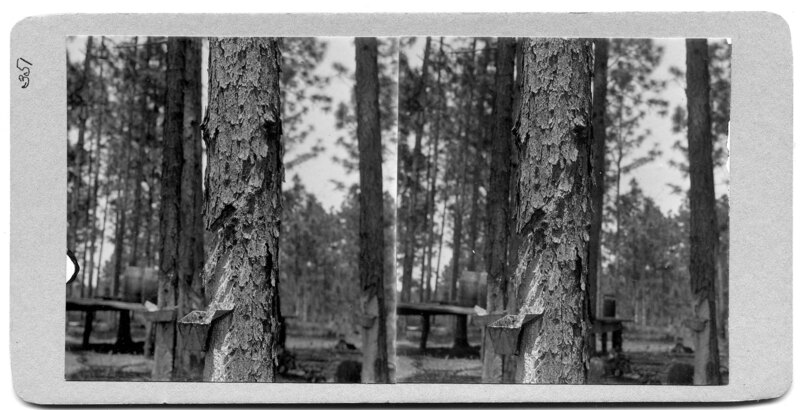
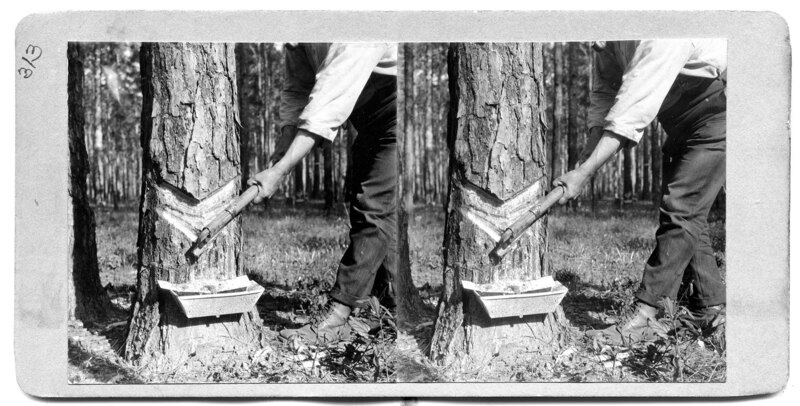
Photograph of a chipped pine tree. Pine tree resin is collected and processed into turpentine. Several chipping marks can be seen in the side of the tree and the metal pan for collecting the resin is stuck into the side of the tree. Previous years chipping scars can be seen below the collection pan. A pine forest can be seen in the background.
Photograph a chipped pine tree. Pine tree resin is collected and processed into turpentine. Several chipping marks can be seen in the side of the tree and the metal pan for collecting the resin is stuck into the side of the tree. Previous years chipping scars can be seen below the collection pan. A pine forest can be seen in the background.
Photograph of a chipped pine tree. Pine tree resin is collected and processed into turpentinet. Several chipping marks can be seen in the side of the tree and the metal pan for collecting the resin is stuck into the side of the tree. Previous years chipping scars can be seen below the collection pan. A pine forest can be seen in the background.
Photograph of a chipped pine tree. It is noted this is the third chipping on this tree. Pine tree resin is collected and processed into turpentine. The pan for the resin is stuck into the the base of the tree to collect resin as it travels down the grooves from the chipping. A forest of pine trees can be seen in the background.
Photograph of a chipped pine tree. Pine tree resin is collected and processed into turpentine. Several chipping marks can be seen in the side of the tree. The metal pan for collecting the resin is stuck into the side of the tree. Previous years chipping scars can be seen below the collection pan. A pine forest can be seen in the background.
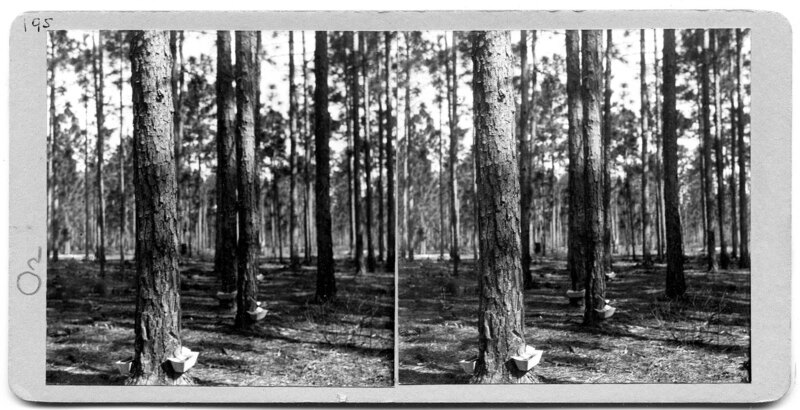
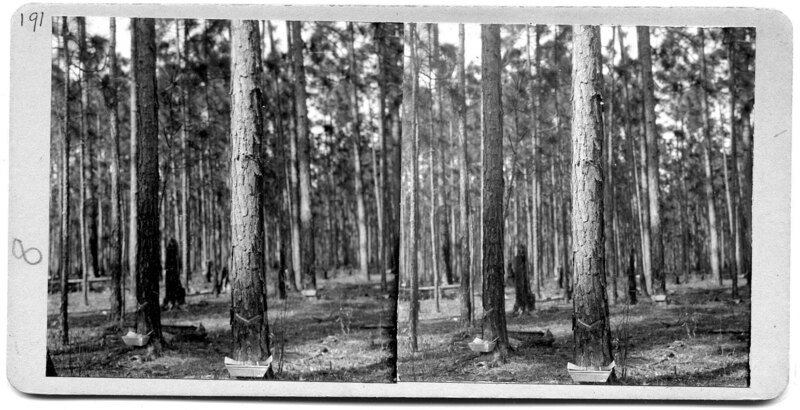
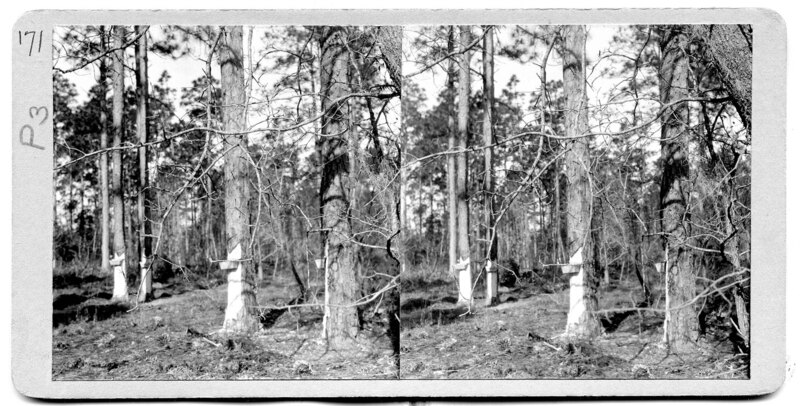
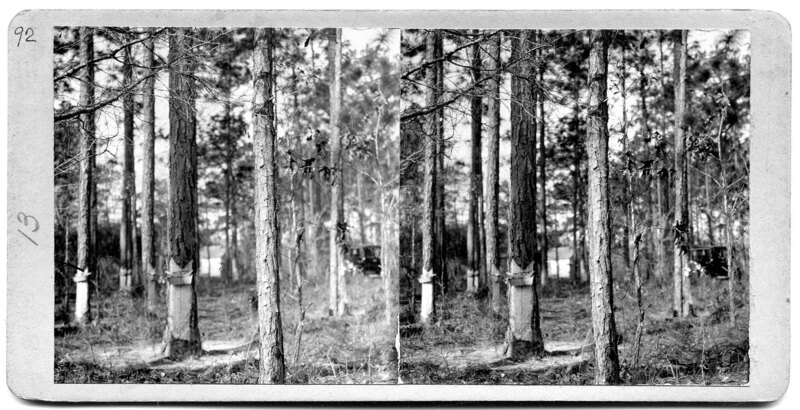
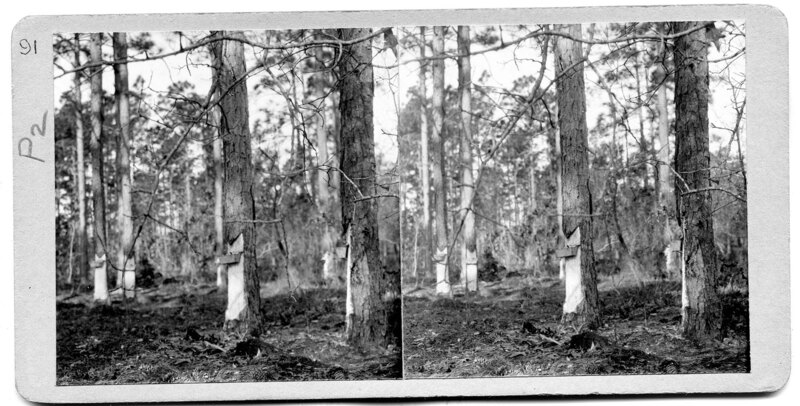
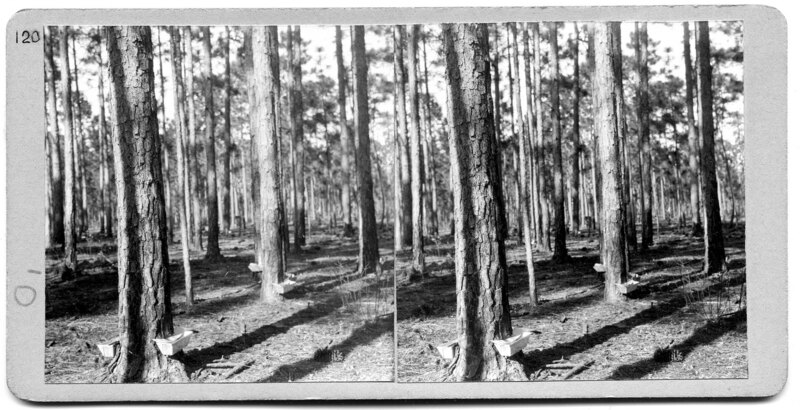
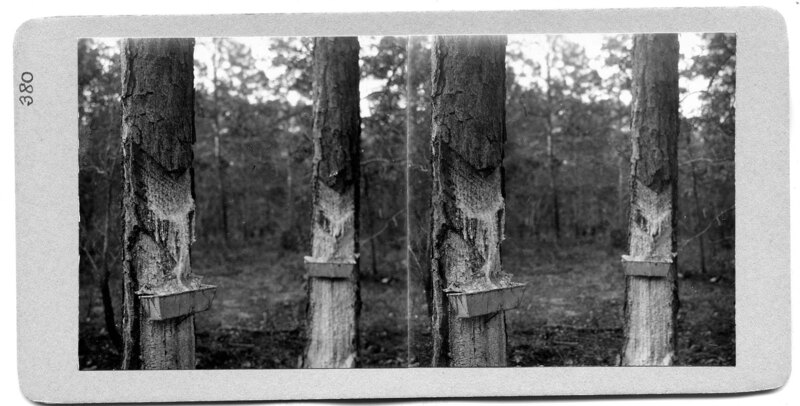
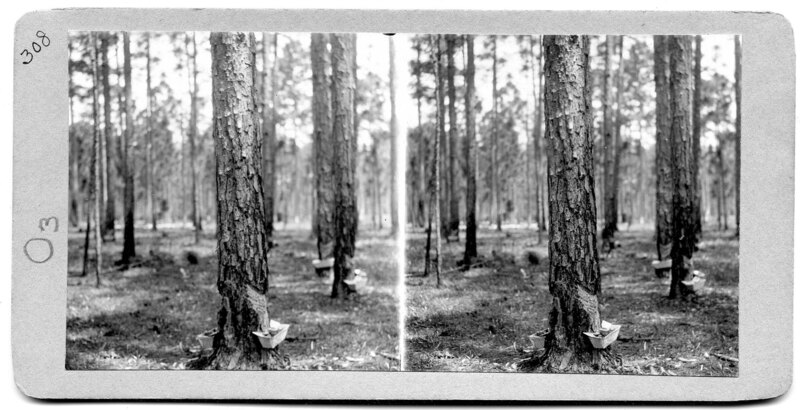
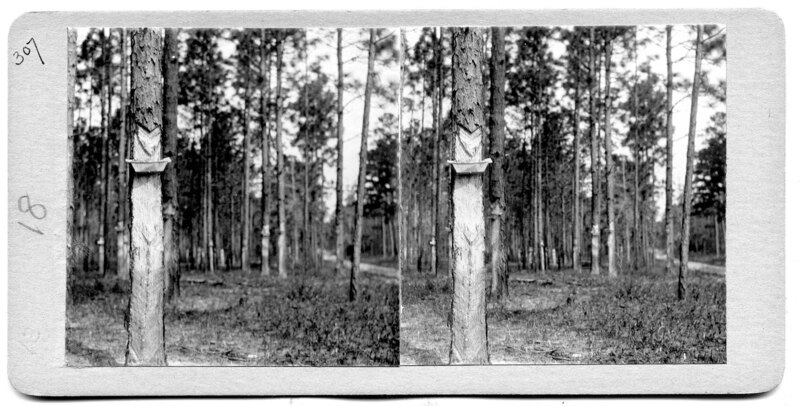
Photograph of forest of chipped pine trees. Pine tree resin is collected and processed into turpentine. The pans for the resin have been stuck into the side of each tree. A pine forest can be seen in the background.
Photograph of forest of chipped pine trees. It is noted that this is the second chipping for the trees. Pine tree resin is collected and processed into turpentine. The pans for the resin have been stuck into the side of each tree. A pine forest can be seen in the background.
Photograph of a forest of chipped pine trees in McClellanville, South Carolina. The forest is near the Fairfield Mansion on the Sautee River. The pines have been newly chipped to collect resin to process into turpentine. The pans for collection are stuck into the bases of the trees. A forest of pines can be seen in the background.
Photograph of a chipped pine tree. Pine tree resin is collected and processed into turpentine. A pan for the resin is stuck into the the side of the tree to collect resin as it travels down the grooves from the chipping. A forest of pine trees can be seen in the background.
Photograph of a chipped pine tree. Pine tree resin is collected and processed into turpentine. A pan for the resin is stuck into the the side of the tree to collect resin as it travels down the grooves from the chipping. A forest of pine trees can be seen in the background.
Photograph of a forest of chipped pine trees. It is noted that this is the first "chick" of the new season. Pine tree resin is collected and processed into turpentine. These trees have been chipped for resin collection. The pans for the resin have been stuck into the base of each tree. A forest of pine trees can be seen in the background.
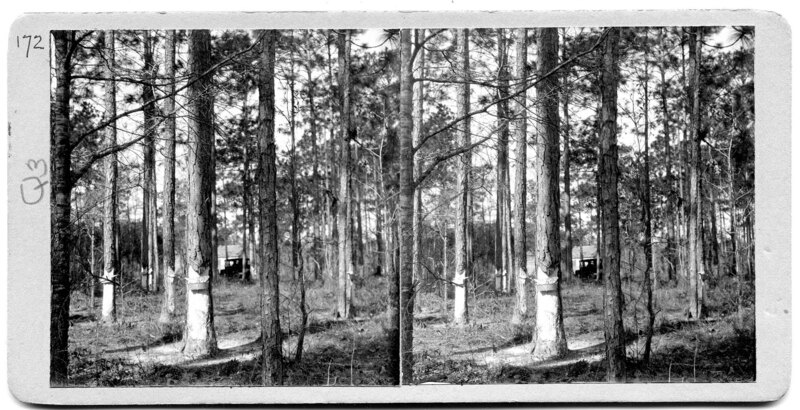
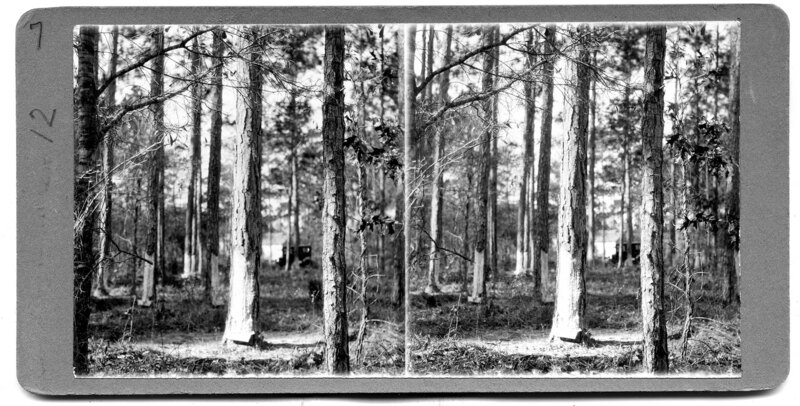
Photograph of a forest of chipped pine trees. Pine tree resin is collected and processed into turpentine. Pans for the resin have been stuck into the base of each tree. A car and a building can be seen in the background through the pine forest.
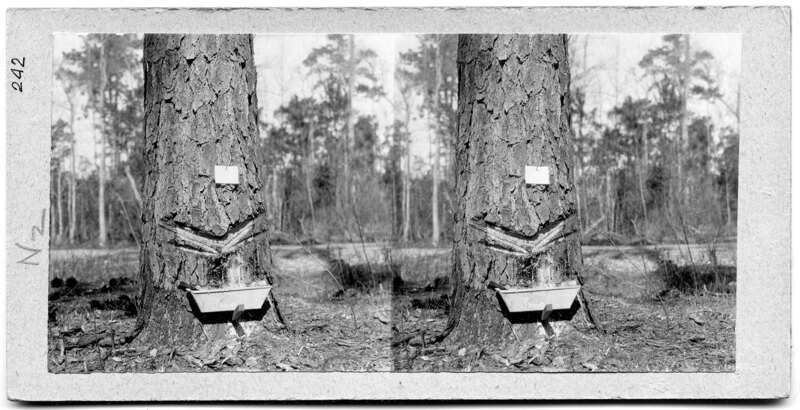
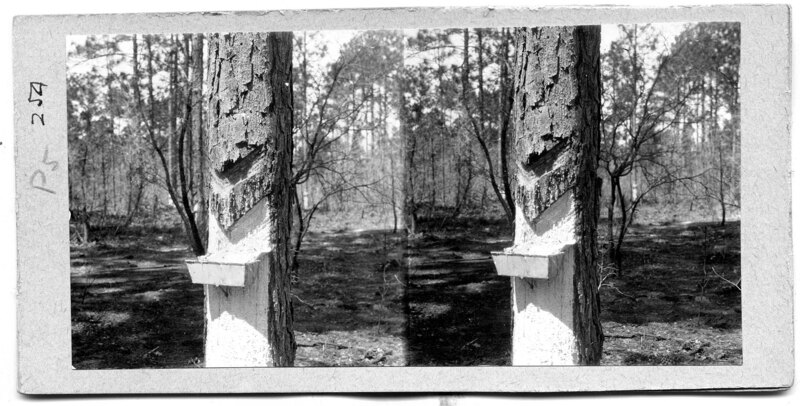
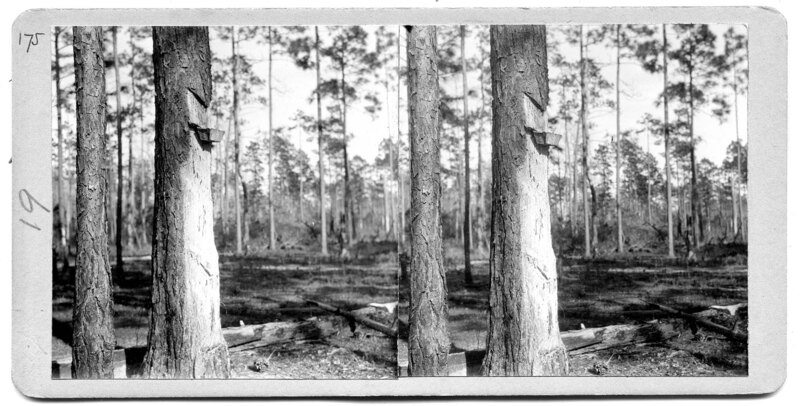
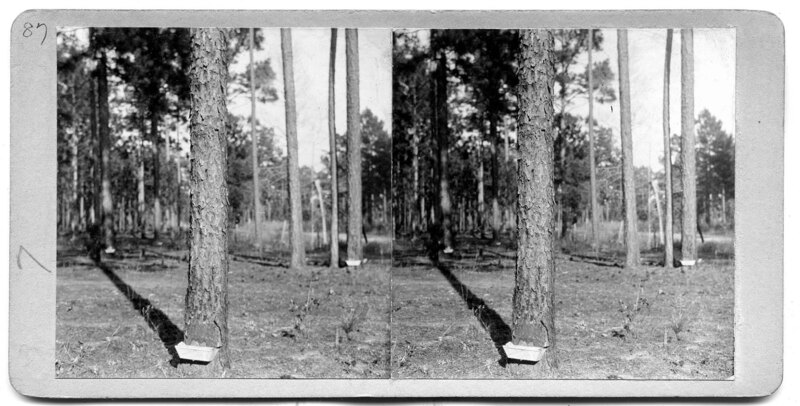
Photograph of a chipped pine tree used for resin collection. A wooden pan is notched into the tree bark below the chips in the tree where resin will travel down the grooves to the tray. A forest of pine trees can be seen in the background.
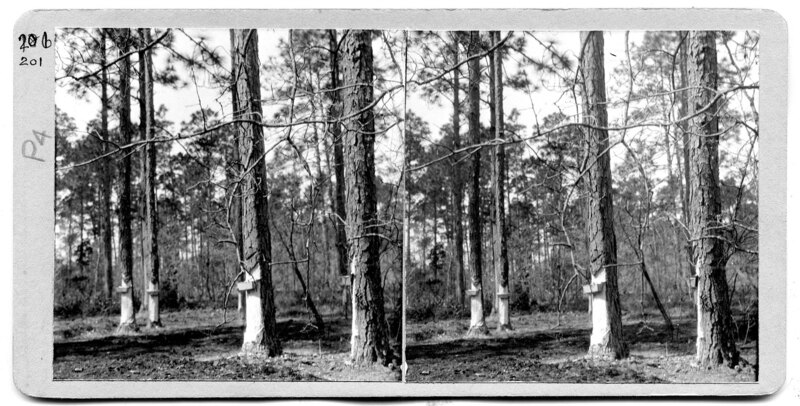
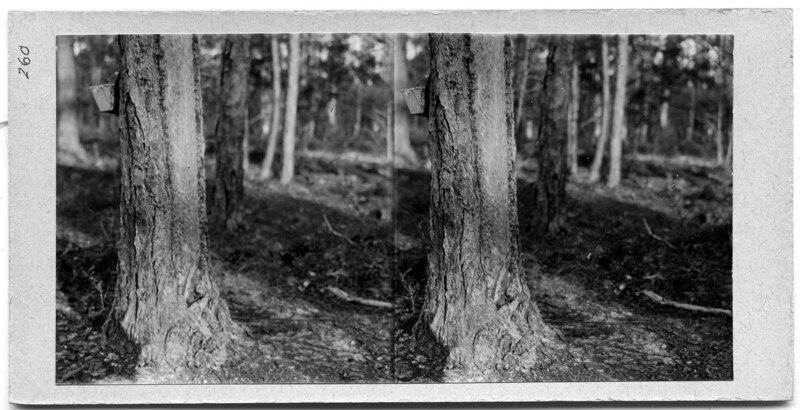
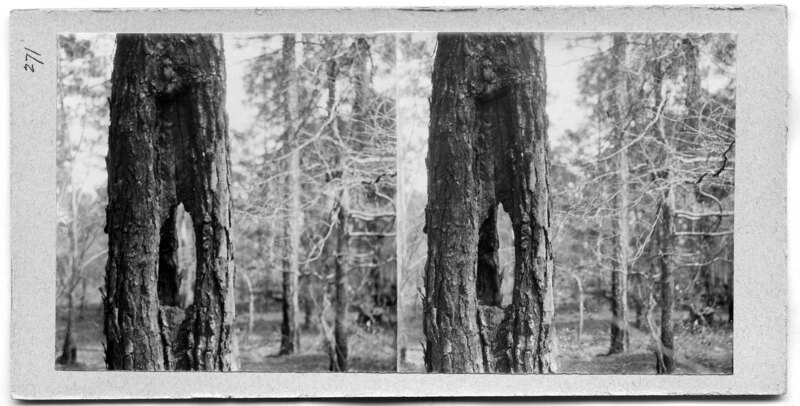
Photograph of a previously chipped tree with a new chipping pan on the back of the tree. Pine trees are often tapped for resin collection. Scars from the chipping process can be seen on the side of the tree with new bark growth .A forest of pine trees can be seen in the background along with a dirt roadway to the right.
Photograph of a forest of chipped pine trees. Pine tree resin is collected and processed into turpentine. These trees have been chipped for resin collection. The pans for the resin have been stuck into the base of each tree. A car and a building can be seen in the background through the pine forest.
Photograph of a forest of chipped pine trees. Pine tree resin is collected and processed into turpentine. These trees have been chipped for resin collection. The pans for the resin have been stuck into the base of each tree. A car and a building can be seen in the background through the pine forest.
Photograph of a forest of chipped pine trees. Pine tree resin is collected and processed into turpentine. These trees have been chipped for resin collection. The pans for the resin have been stuck into the base of each tree. A car and a building can be seen in the background through the pine forest.
Photograph of a forest of chipped pine trees. Pine tree resin is collected and processed into turpentine. These trees have been chipped for resin collection. The pans for the resin have been stuck into the base of each tree. A pine forest can be seen in the background.
Photograph of a forest of chipped pine trees. Pine tree resin is collected and processed into turpentine. These trees have been chipped for resin collection. The pans for the resin have been stuck into the base of each tree. A car and a building can be seen in the background through the pine forest.
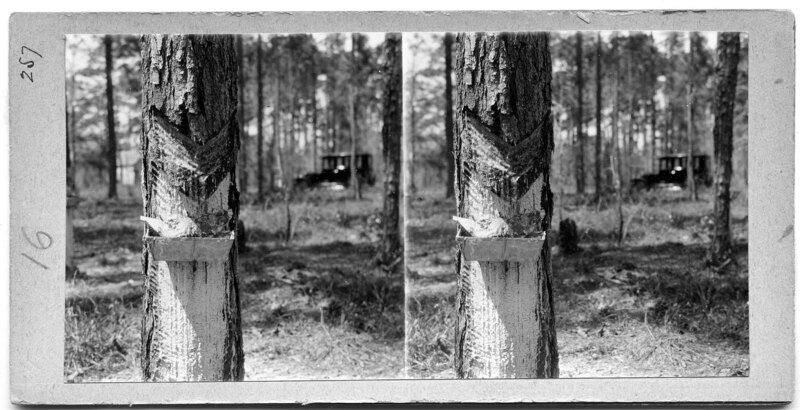
Photograph of a chipped pine tree used for resin collection. Resin is collected to later be processed into turpentine. A wooden pan is notched into the tree bark below the chips in the tree where resin will travel down the grooves to the tray. A car sits in the middle of the trees. A forest of pine trees can be seen in the background.
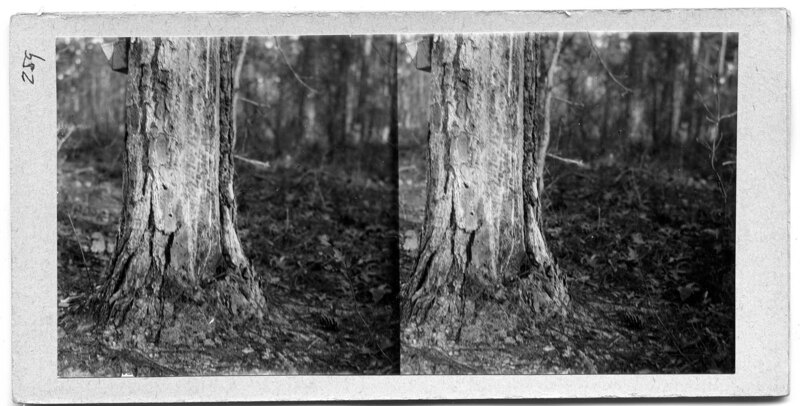
A photograph of a previously chipped tree with a new chipping pan on the back of the tree. Pine trees are often tapped for resin collection. Scars from the chipping process can be seen on the side of the tree with new bark growth. A forest of pine trees can be seen in the background.
A photograph of a previously chipped tree with a new chipping pan on the back of the tree. Pine trees are often tapped for resin collection. Scars from the chipping process can be seen on the side of the tree with new bark growth. A forest of pine trees can be seen in the background.
Photograph of a chipped pine tree used for resin collection. Resin is collected to later be processed into turpentine. A wooden pan is notched into the tree bark below the chips to collect resin. Several of the other trees in the background are also chipped.
Photograph of a chipped pine tree used for resin collection. Resin is collected to later be processed into turpentine. A wooden pan is notched into the tree bark below the chips to collect resin. Several of the other trees in the background are also chipped.
Photograph of a chipped pine tree used for resin collection. Resin is collected to later be processed into turpentine. A wooden pan is notched into the tree bark below the chips to collect resin. Several of the other trees in the background are also chipped.
Photograph of a chipped pine tree used for resin collection. Resin is collected to later be processed into turpentine. A wooden pan is notched into the tree bark below the chips to collect resin. Several of the other trees in the background are also chipped.
Photograph of a chipped pine tree used for resin collection. Resin is collected to later be processed into turpentine. A wooden pan is notched into the tree bark below the chips to collect resin. Several of the other trees in the background are also chipped.
Photograph of a chipped pine tree used for resin collection. Resin is collected to later be processed into turpentine. A wooden pan is notched into the tree bark below the chips to collect resin. Several of the other trees in the background are also chipped.
Photograph of a chipped pine tree used for resin collection. Resin is collected to later be processed into turpentine. A wooden pan is notched into the tree bark below the chips to collect resin. Several of the other trees in the background are also chipped.
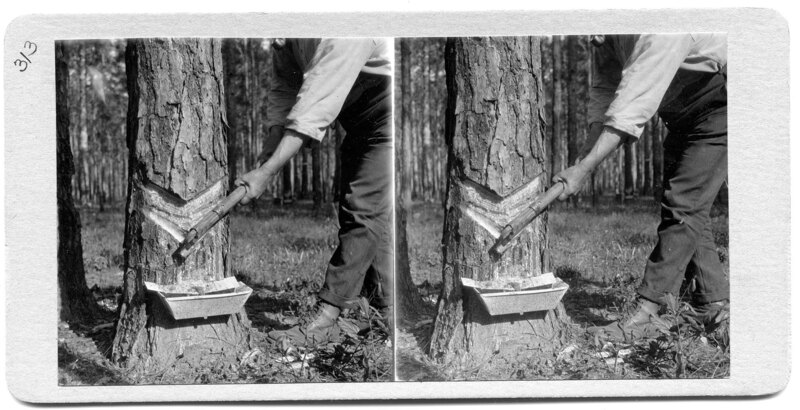
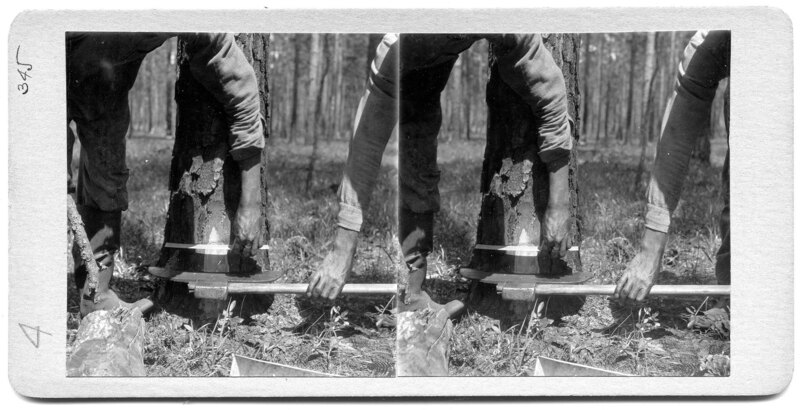
Photograph showing Mr. Pullman chipping a new pine tree for resin collection. He uses a hand ax to chip lines into the bark of the pine tree. A small wooden collection pan is stuck in to the base of the tree and will catch the resin that flows down the tree through the chips. A forest of pine trees spreads out in the background.
Photograph showing trees tapped for resin collection. Pine tree resin is collected and processed into turpentine. Pans are notched into the bases of the trees, below the chipped portion of the bark to collect the resin. A forest of pine trees spreads out in the background.
Photograph of an extensively chipped tree on the side of a dirt road. It is noted that the tree has been chipped for three years.The tree has likely been chipped for years in an effort to collect resin to process into turpentine. A wooden pan sits high-up on the tree where it collects resin that flows down the chipping pattern. Several other trees in the background are chipped for resin collection with differing height pans. Grass covers the ground around the trees.
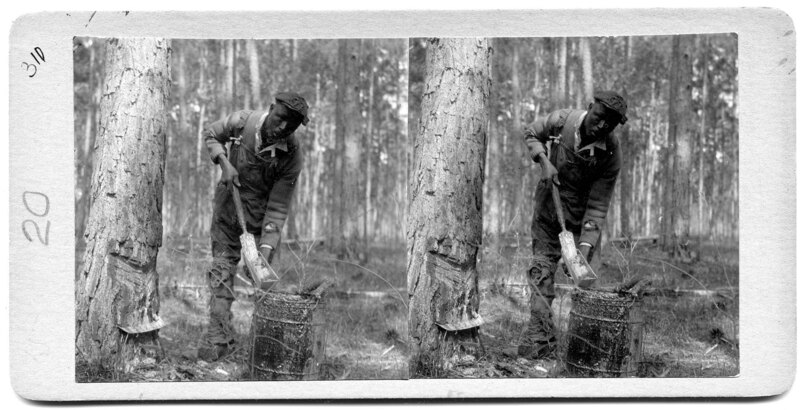
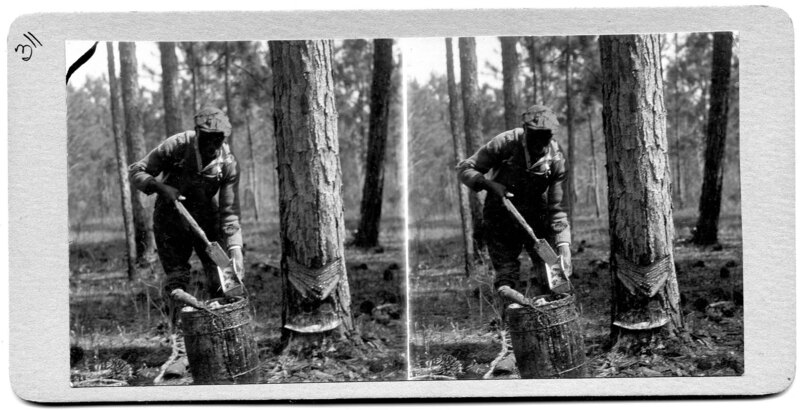
Photograph of Ben Blake scraping collected resin into a large wooden barrel from the tree in the background. Pine tree resin is collected to process into turpentine, a chemical solvent. The man uses a wooden spatula to scrape the resin out of the pan and several rows of chips can be seen in the tree. A forest of pine trees spreads out in the background.
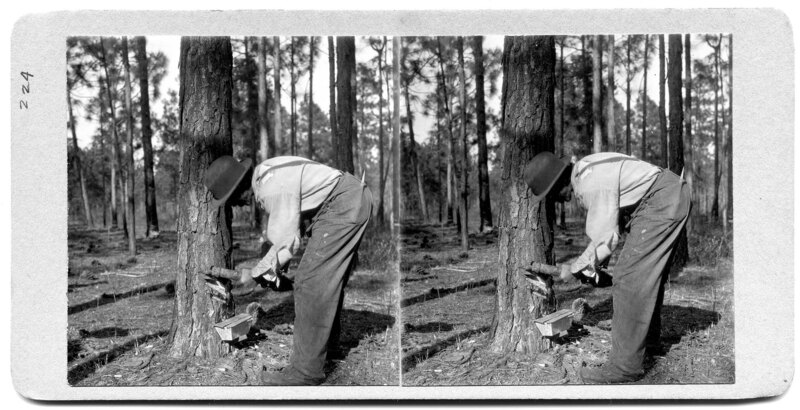
Photograph of a man chipping a new pine tree for resin collection. He uses a hand ax to chip lines into the bark of the pine tree. A small wooden collection pan is stuck in to the base of the tree and will catch the resin that flows down the tree through the chips. A forest of pine trees spreads out in the background.
Photograph of a man chipping a new pine tree for resin collection. He is wearing overalls and a work shirt with a bowler hat. He uses a hand ax to chip lines into the bark of the pine tree. A small wooden collection pan is stuck in to the base of the tree and will catch the resin that flows down the tree through the chips. A forest of pine trees spreads out in the background.
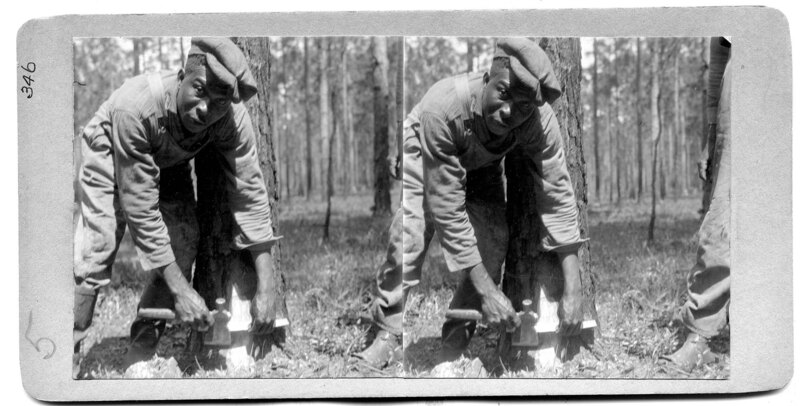
Photograh of a resin collection worker demonstrating the placement of a new plate that will be placed on a pine tree for resin collection. He is tapping the plate into the tree with a hand ax. A second man stands to the right, watching over the work. A forest of pine trees spreads out in the background.
Photograph of two men measuring a new pine tree for tapping. One worker holds the ax in place where the collection plate will be placed . The other works on the finding the perfect height from the plate where the collection chips will be made . This allows the resin from the tree to flow down in the collection pan. A forest of pine trees spreads out in the background.
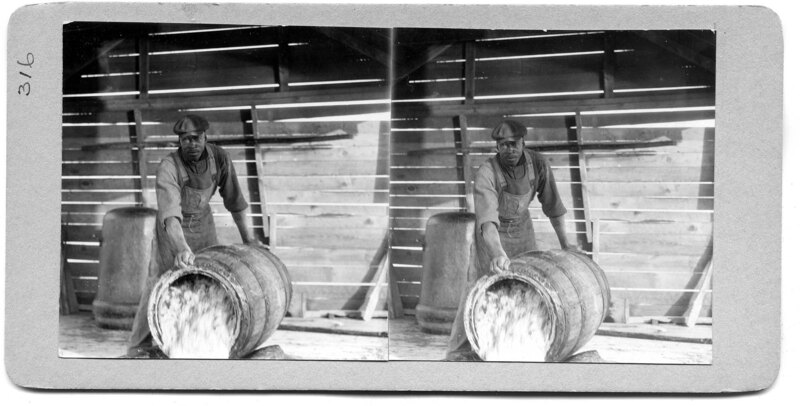
Photograph of a man rolling a barrel through a processing plant. The plant likely produces turpentine from collected pine tree resin. He is wearing overalls, a work shirt, and a hat. The building is constructed of wooden slat boards and has a wooden floor.
Photograph of a man scraping collected resin into a wooden barrel after removing the collection plate from the tree in the background. Pine tree resin is collected to process into turpentine. The man uses a wooden spatula to scrape the resin out of the pan.Several rows of chips can be seen in the tree. A forest of pine trees spreads out in the background.