
Uncovering the Art History of Fantastical Romance Covers by Melissa Snyder
“Fairy smut,” that’s what a lot of modern fantasy romance and Romantasy novels are deemed these days (Mobey 2025). You may recognize these books just by seeing their covers; maybe some ornate or script-like text is scrawled across the surface in metallic colors. Perhaps one or two beautiful figures decked out in vaguely medieval garb are present. Some covers may even feature a cartoony illustration that is populating the romance book genre in general. Critics have said these works are frivolous and are dumbing down the minds of those who read them. Some people claim that the covers themselves are lazy, such as Natalie Fear in her article, “The Romantasy Genre Has Destroyed Book Cover Design” (Fear 2026). An argument that is frequently made is these covers lean too hard into visual sex appeal, akin to a classic Bodice Ripper cover. Patrons of social media sometimes protest that these books are a product of radical feminist ideology and are dangerous to consume. Others assert this is not the case, but rather a positive feminine expression. Research shows these genres, as well as the romance and fantasy genres at large, have visual ties to medieval art history (Gregory 2014; Kears and Paz 2016). By understanding the relationships between neomedievalism, feminism, and art, are important to realize that fantasy romances and Romantasies are not frivolous or lazy, but an outlet of efficacious romance.
The fantasy romance and Romantasy genres are subgenres of the romance genre. The two have much in common, like fantasy settings, as well as stereotypical romance and fantasy tropes. These could be anything ranging from enemies to lovers, only one bed, or the main character being the “Chosen One.” But fundamentally the difference lies in plot percentage. A fantasy romance is a romance set in a fantasy world while a Romantasy is a fantasy story with an underlying romance plot. The ratio could swing either way without being 50/50, but boundaries may blur or shift depending on the story and author. Both can, and usually do, include intimate sexual scenes, which is tied to the term “spice level,” (Davies 2025). Sensual themes are usually emphasized on the covers of these books which have a distinct visual language that comes from the medieval time period
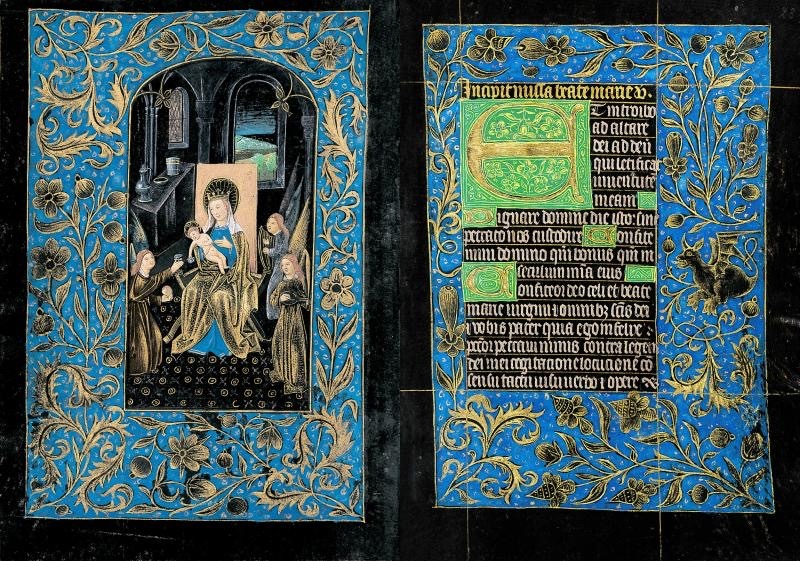
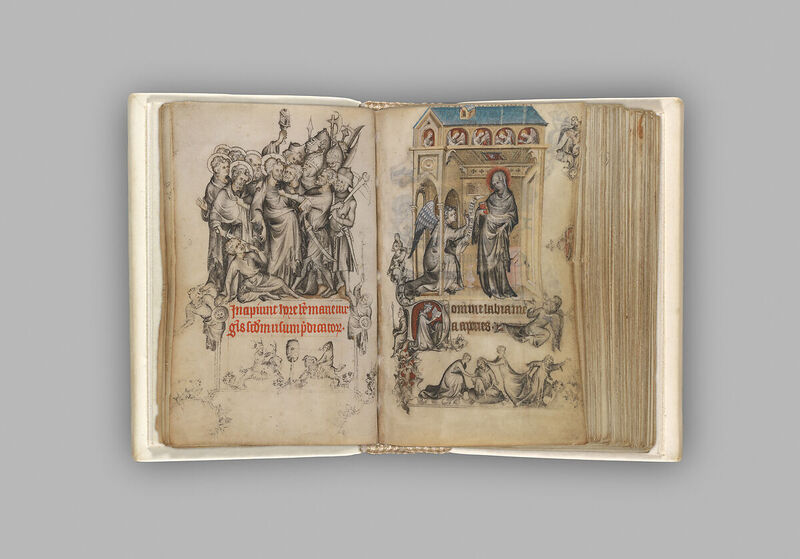
Fantasy romance and Romantasy cover characteristics can be traced back to medieval manuscripts. The art and style that is associated with those works have a strong and recognizable presence. A few famous examples are the Book of Hours of Jeanne d’Evreux, (ca. 1324-1328 CE), and The Black Hours Manuscript, (ca. 1475-1480 CE). Each of these has gorgeous, elaborate scripts, with some sections of text featuring a larger, more decorative initial letter. Borders and spaces are emphasized with intricate metallic patterns in these creations, as well. The figures are incorporated into the decor to evoke feelings of divinity and importance. Most manuscripts from this time period were religious in nature. It was common to see figures like Saints and Jesus Christ within them. The way art was created at this time was with support from a wealthy patron, support from the Church, or a combination of the two. Their themes of chivalry, destiny, and devotion created a setting that is still desirable today by modern consumers.
One of the most important factors that contribute to these genres' covers and content is their fantasy setting. Fantasy media takes great inspiration from the medieval period. But the modern material being made is more accurately taking an approach from neomedievalism. This word, coined by Umberto Eco, refers to applying contemporary values and issues to medieval imagery or aesthetics (Gregory 2014). Neomedievalism became pertinent for romance readers around the rise of the Bodice Rippers. These were typically mass-market paperbacks that are now known for their explicit content and historical elements (Olivia B. Waxman, “How Romance Novel Covers Have Evolved Through Time”). These books were groundbreaking because they showcased women’s sexual pleasure in literature. Before its time, media practically never featured feminine intimacy as a positive or worthy topic to be sold and consumed. But, fantasy Bodice Rippers, like Summer of the Unicorn by Kay Hooper, and Prisoner of My Desire by Johanna Lindsey, are some of the best examples of how the visual language of medieval art shaped our modern romance genres’ covers. Both covers contain visual attributes we associate with fantasy or medieval genres. For example, Summer of the Unicorn depicts a soft and glowy illustration of a woman in a corset-like top with a unicorn rearing up in the background. And Prisoner of My Desire features a woman in a vaguely medieval red dress with draping sleeves. She dramatically looks off into the distance while standing amid flowers crawling up indistinct ruins.
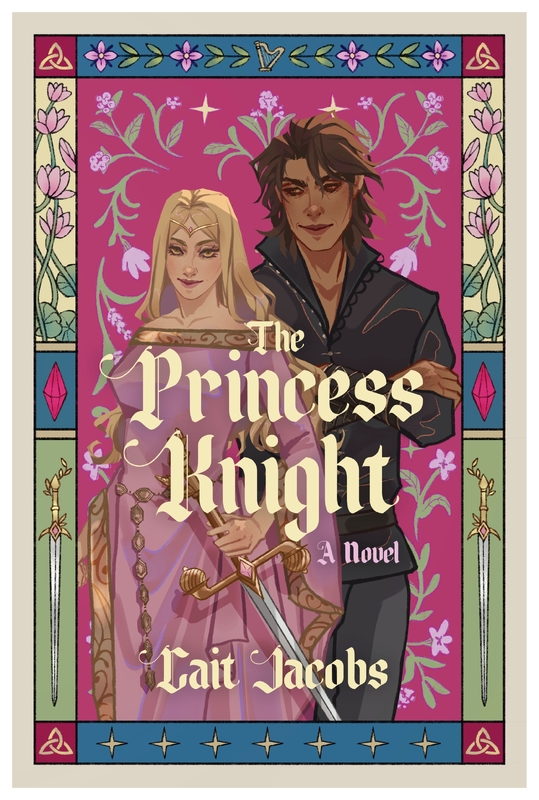
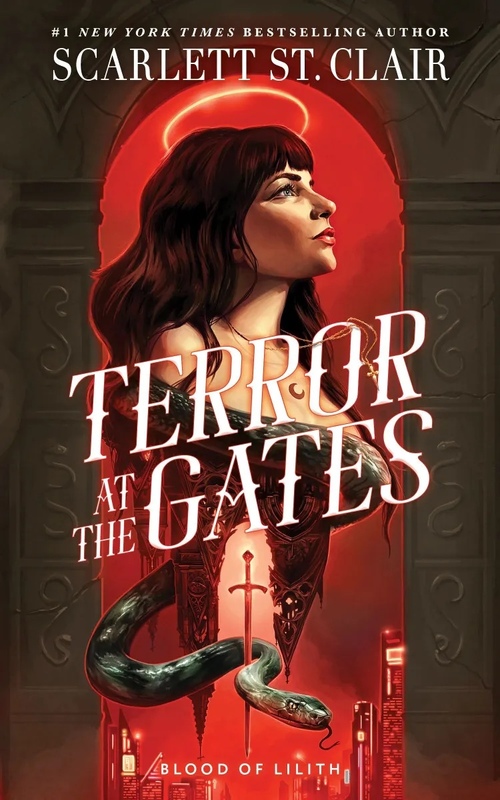
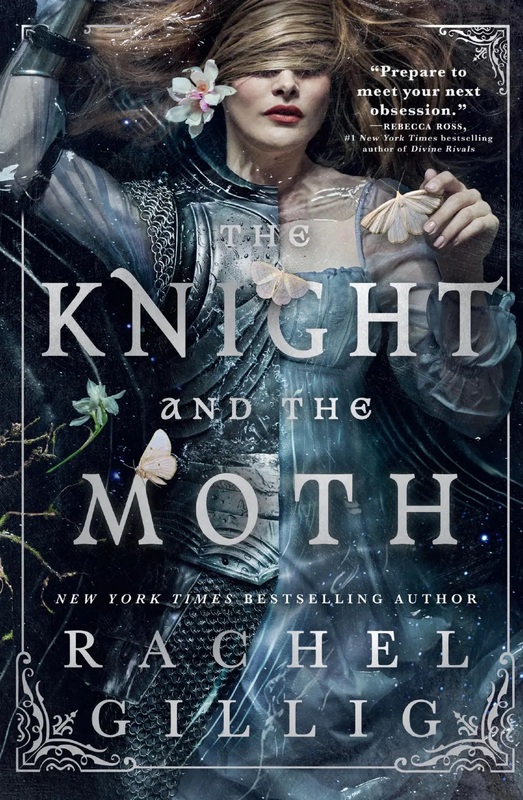
When compared to recent examples of fantasy romance and Romantasy novel covers, like The Knight and the Moth by Rachel Gillig, Terror at the Gates by Scarlett St. Clair, and The Princess Knight by Cait Jacobs, it’s clear revivals of medieval aesthetics are not a 21st-century trend. The “Pre-Raphaelite aesthetic – an art movement that blew up in the 19th Century and that drew on Medieval and Renaissance stories and aesthetics,” is popular in the 21st century (Claire 2025). While themes have changed, the romantic idea of divine purpose and a spiritually chosen path has stayed with us and morphed into a fantasy trope we see today. Fast forward a few hundred years, and women’s rights were expanded, topics were not so taboo, and women could write about sexuality and pleasure. The lasting impact of medieval art has aided the romance book world via neomedievalism. Because women may not have been at the forefront of medieval art and manuscripts, feminism gave way to women being able to express the same desire for heightened aspiration and need for connections, just like men. Within that expression, the desire to be loved and accepted through avenues like divine purpose, chivalry, and fate is undeniably appealing. Women have learned that they do not have to stifle their wish to be special.
But despite an arguably impressive art historical lineage, some heavily criticize the genres online for being pornographic. TikTok is especially full of people attacking book influencers and readers alike. In the app’s subcategory, BookTok, these users blame romance lovers for tainting the high fantasy worlds, akin to Tolkien’s The Lord of the Rings, even though general fantasy book sales have skyrocketed since romance media has become mainstream. Numerous videos of romance genre skeptics admit they judge a book only by its cover. Because of cover and content associations, fantasy romance and Romantasy books are bombarded. High fantasy books have been predominantly geared towards men, but the romance genre is changing attitudes, or at the very least, is a force to be reckoned with. After the release of Sarah J. Maas’s novel, A Court of Thorns and Roses, Bloomsbury saw a 161% increase in sales (Mabey 2025). Maas’s books utilize the beloved themes of sexuality and fairy tales. Neil Armstrong wrote about this in their BBC article, “‘Complex, Dangerous, Sexual Beings': The Centuries-Old Origins of Current Fairy Fiction” (Armstrong 2026). The article focuses on romance fiction and their ties to legends and myths of the fae. Armstrong states, “They are complex, dangerous, sexual beings–which is exactly what the fairies of folklore were originally like.” Many of the stories brought up by Armstrong can be traced back to the medieval time period, making Maas’s books a great example of the power of neomedievalism, sexuality, and art. The visual language of this time left its mark on us. Fantasy romance and Romantasy books do not have to be only seen as inconsequential “fairy smut.” Ultimately, these books are safe places for women and feminine people to explore themes of love, passion, and happily ever after.
Bibliography
Allfree, C. “Is ‘Fairy Smut’ Dumbing down Literature?” The Telegraph, Telegraph Media Group, 5 Feb. 2026.
Armstrong, N. “‘Complex, Dangerous, Sexual Beings’: The Centuries-Old Origins of Current Fairy Fiction.” BBC News, BBC, 2 Apr. 2026.
“The Black Hours.” The Black Hours | | The Morgan Library & Museum, accessed 16 Mar. 2026.
“The Book of Hours of Jeanne d’Evreux.” Book of Hours of Jeanne d’Evreux by Jean Pucelle, accessed 16 Mar. 2026.
Davies, M. “Romantasy: Why It’s Happily Ever after for Romance Books.” BBC News, BBC, 20 June 2025,
Fear, N. “The Romantasy Genre Has Destroyed Book
Cover Design.” Creative Bloq, Creative Bloq, 12 Feb. 2026.
Gillig, R. The Knight and the Moth. Orbit, 2025.
Gregory, R. 2014 “Citing the Medieval: Using Religion as World Building Infrastructure in Fantasy MMORPGs.” In Playing with Religion in Digital Games, ed. Campbell H. A. and G. P. Grieve, 134–153. Bloomington, IN: Indiana University Press.
Hooper, K. Summer of the Unicorn. Bantam, 1988.
Jacobs, C. The Princess Knight. Harper Collins Publishers, 2025.
Kears, C., and J. Paz. "Introduction." Medieval Science Fiction. London, 2016.
Lindsey, J. Prisoner of My Desire. Avon, 1991.
Mabey, C. “What Is Fairy Smut and Why Is Everyone Obsessed with It?” The Spinoff, The Spinoff, 21 Mar. 2025.
St. Clair, S. Terror at the Gates. Vol. 1, Bloom Books, 2025.